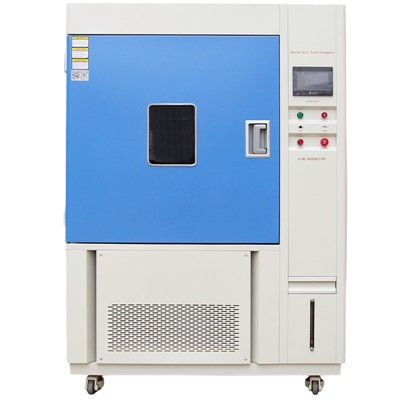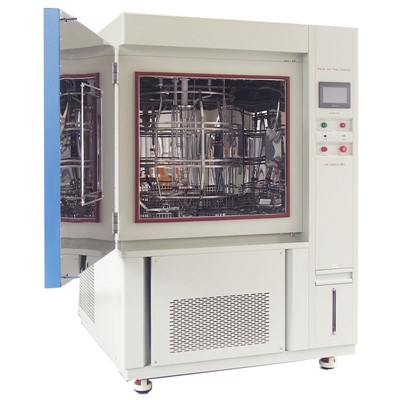


As a supplier of Xenon Weatherometers, I'm often asked about the anti - corrosion performance of these remarkable instruments. In this blog, I'll delve into the details of how Xenon Weatherometers can help assess and enhance anti - corrosion properties in various materials.
Understanding the Basics of Xenon Weatherometers
Xenon Weatherometers are sophisticated testing devices used to simulate the effects of natural weathering on materials. They use a xenon arc lamp to produce a spectrum of light that closely mimics natural sunlight, including ultraviolet (UV), visible, and infrared radiation. This allows for accelerated testing of materials, reducing the time required to evaluate their long - term durability compared to real - world exposure.


The anti - corrosion performance of a material is a crucial factor in many industries, such as automotive, aerospace, construction, and marine. Corrosion can lead to structural failures, aesthetic degradation, and reduced product lifespan. By using a Xenon Weatherometer, manufacturers can predict how their materials will withstand environmental factors that contribute to corrosion over time.
How Xenon Weatherometers Evaluate Anti - Corrosion Performance
One of the primary ways Xenon Weatherometers assess anti - corrosion performance is through the simulation of sunlight and moisture. UV radiation from the xenon arc lamp can break down the molecular structure of materials, making them more susceptible to corrosion. At the same time, the chamber can be programmed to introduce cycles of humidity and temperature changes, which mimic real - world weather conditions.
For example, in a salt - spray environment, the combination of UV exposure and saltwater can accelerate the corrosion process. A Xenon Weatherometer can replicate this scenario by spraying a salt solution onto the test specimens while exposing them to the xenon light. This allows manufacturers to observe how quickly corrosion occurs and evaluate the effectiveness of anti - corrosion coatings or treatments.
Another aspect of anti - corrosion performance evaluation is the assessment of color change and surface degradation. Corrosion often causes visible changes in the appearance of materials, such as rusting, fading, or blistering. Xenon Weatherometers can quantify these changes over time, providing valuable data on the long - term performance of materials.
Factors Affecting Anti - Corrosion Performance in Xenon Weatherometer Tests
Several factors can influence the anti - corrosion performance results obtained from Xenon Weatherometer tests. The type of material being tested is a significant factor. Different materials, such as metals, plastics, and composites, have different inherent corrosion resistance properties. For example, stainless steel is known for its high corrosion resistance, while some types of aluminum alloys may be more prone to corrosion.
The thickness and quality of anti - corrosion coatings also play a crucial role. A high - quality coating can provide a protective barrier against corrosion, but its effectiveness can be affected by factors such as the application method, curing process, and the presence of defects. Xenon Weatherometer tests can help determine the durability of these coatings under simulated weather conditions.
The intensity and duration of the xenon light exposure are also important. Higher light intensities can accelerate the corrosion process, but they may not accurately represent real - world conditions. Therefore, it's essential to select appropriate test parameters based on the intended use of the material.
Benefits of Using Xenon Weatherometers for Anti - Corrosion Testing
Using Xenon Weatherometers for anti - corrosion testing offers several benefits. Firstly, it provides a cost - effective and time - efficient way to evaluate the long - term performance of materials. Instead of waiting years for real - world exposure, manufacturers can obtain reliable results in a matter of weeks or months.
Secondly, Xenon Weatherometer tests can help in the development of new anti - corrosion materials and coatings. By simulating different environmental conditions, researchers can optimize the formulation of materials to enhance their corrosion resistance.
Thirdly, the data obtained from Xenon Weatherometer tests can be used to meet regulatory requirements and industry standards. Many industries have specific standards for anti - corrosion performance, and Xenon Weatherometer testing can provide the necessary evidence to demonstrate compliance.
Applications of Xenon Weatherometers in Anti - Corrosion Testing
Xenon Weatherometers are widely used in various industries for anti - corrosion testing. In the automotive industry, they are used to test the durability of car paints, coatings, and body parts. By simulating the effects of sunlight, rain, and road salt, manufacturers can ensure that their vehicles maintain their appearance and structural integrity over time.
In the aerospace industry, Xenon Weatherometers are used to test the anti - corrosion properties of aircraft components. These components are exposed to extreme environmental conditions, including high - altitude UV radiation and moisture. Xenon Weatherometer testing helps ensure the safety and reliability of aircraft.
In the construction industry, Xenon Weatherometers are used to test building materials such as roofing, siding, and window frames. By evaluating the anti - corrosion performance of these materials, architects and builders can select the most suitable products for different climates and environments.
Related Products and Their Links
If you're interested in learning more about Xenon Weatherometers and related products, here are some useful links:
- Xenon Lamp Weathering Test Chamber: This chamber provides a controlled environment for simulating weathering conditions and evaluating the anti - corrosion performance of materials.
- Accelerated Weathering Test Equipment: It offers a range of options for accelerated testing, allowing you to obtain results more quickly.
- Xenon Accelerated Weathering Tester: This tester is specifically designed to simulate the effects of sunlight and other environmental factors on materials.
Conclusion and Call to Action
In conclusion, Xenon Weatherometers play a vital role in evaluating the anti - corrosion performance of materials. They offer a reliable and efficient way to simulate real - world weather conditions and predict the long - term durability of materials. Whether you're in the automotive, aerospace, construction, or any other industry, understanding the anti - corrosion performance of your materials is essential for ensuring product quality and safety.
If you're interested in purchasing a Xenon Weatherometer or have any questions about anti - corrosion testing, please feel free to contact us. Our team of experts is ready to assist you in finding the right solution for your specific needs.
References
- ASTM International. (2023). Standard practices for operating xenon arc light apparatus for exposure of non - metallic materials. ASTM G155 - 13(2023).
- ISO. (2022). Plastics — Methods of exposure to laboratory light sources — Part 2: Xenon - arc lamps. ISO 4892 - 2:2022.