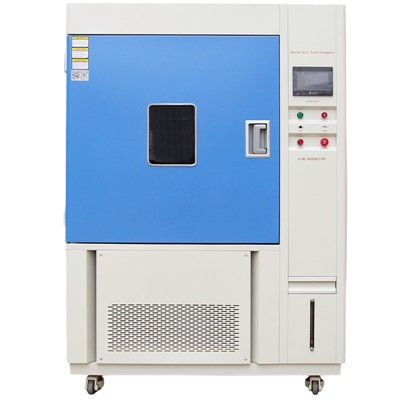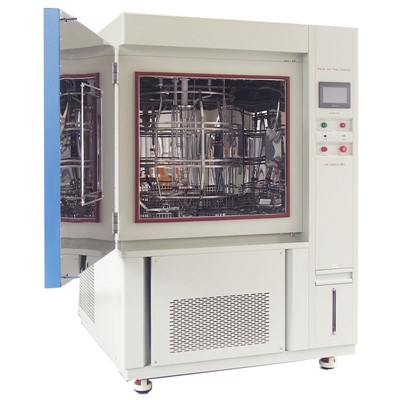


As a supplier of Small Humidity Test Chambers, I often get asked about how to adjust the humidity control sensitivity. It's a crucial aspect, especially when you're looking for accurate and reliable test results. In this blog, I'll walk you through the process step - by - step, so you can make the most out of your humidity test chamber.
Understanding the Basics of Humidity Control Sensitivity
Before we dive into the adjustment process, it's important to know what humidity control sensitivity means. In simple terms, it refers to how precisely the test chamber can maintain the desired humidity level. A higher sensitivity means the chamber can keep the humidity within a very narrow range, which is great for tests that require high precision.
The humidity control system in a Small Humidity Test Chamber usually consists of a humidity sensor, a controller, and a humidification or de - humidification mechanism. The sensor measures the humidity inside the chamber, sends the data to the controller, and then the controller decides whether to add or remove moisture.
Why Adjust the Humidity Control Sensitivity?
There are several reasons why you might want to adjust the sensitivity. Maybe you're running a new type of test that demands a more precise humidity environment. Or perhaps you've noticed that the humidity levels in the chamber are fluctuating more than you'd like. Adjusting the sensitivity can help you get better control over the testing conditions and improve the accuracy of your results.
Step - by - Step Guide to Adjusting Humidity Control Sensitivity
Step 1: Familiarize Yourself with the Chamber Controls
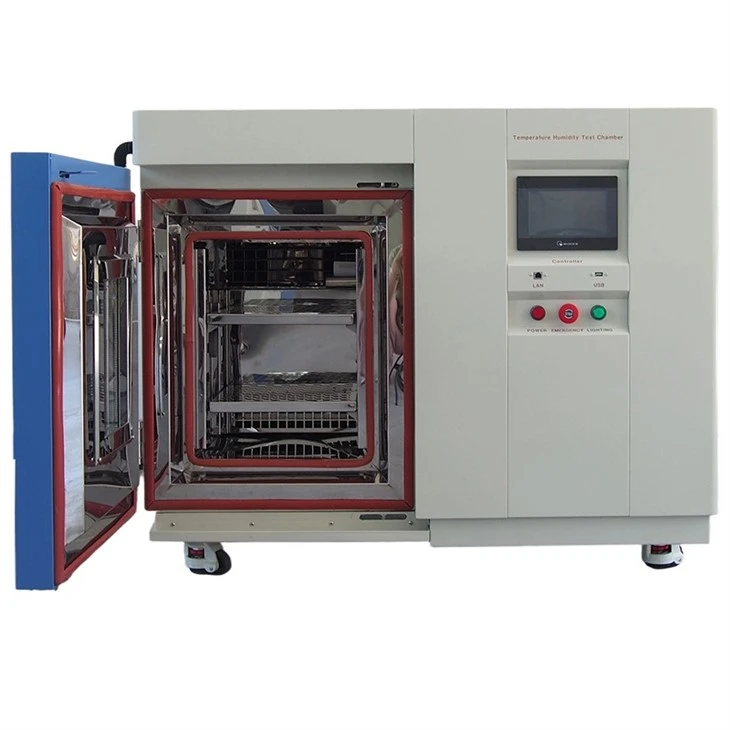
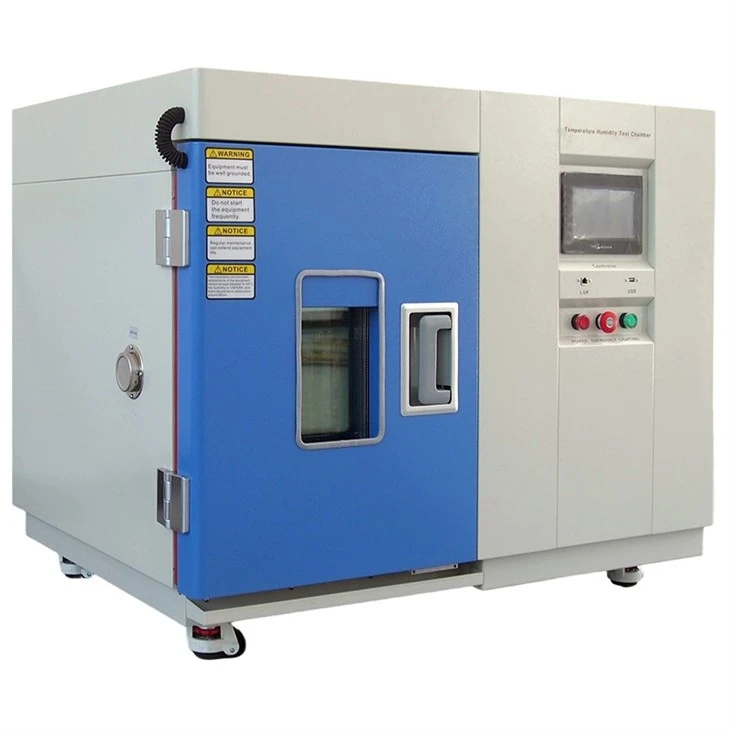
The first thing you need to do is to get to know the control panel of your Small Humidity Test Chamber. Different models may have different layouts, but generally, there will be buttons or a touchscreen interface where you can access the humidity settings.
Some of our popular models, like the Benchtop Temperature Humidity Aging Test Device and the Benchtop Programmable Constant Temperature Humidity Testing Machine, have user - friendly control panels that make it easy to navigate through the settings.
Step 2: Locate the Sensitivity Setting
Once you're on the humidity settings screen, look for the option related to sensitivity. It might be labeled as "Humidity Control Sensitivity", "Sensitivity Adjustment", or something similar.
This setting is usually a numerical value. A higher number means higher sensitivity, which means the chamber will react more quickly to changes in humidity and try to keep it within a tighter range. On the other hand, a lower number represents lower sensitivity, allowing for a wider range of humidity fluctuations.
Step 3: Make Small Adjustments
It's a good idea to make small adjustments to the sensitivity setting at first. For example, if the current setting is 3 and you think it could be more precise, increase it to 4. After making the change, let the chamber run for a while and monitor the humidity levels.
Use a separate, reliable humidity meter to verify the readings inside the chamber. This will help you see if the adjustment is having the desired effect. If the humidity levels are still fluctuating too much, you can make another small adjustment.
Step 4: Consider the Chamber's Load and Environment
The load inside the chamber, such as the number and type of test samples, can affect the humidity control. A larger load may require a higher sensitivity setting because the samples can absorb or release moisture, causing the humidity to change more rapidly.
Also, the environment outside the chamber matters. If the ambient humidity and temperature are unstable, the chamber might need a more sensitive setting to compensate for these external factors.
For instance, in a room with high traffic and frequent door openings, the chamber will have to work harder to maintain the desired humidity. Adjust the sensitivity accordingly to ensure stable testing conditions.
Step 5: Calibrate the Humidity Sensor
A well - calibrated humidity sensor is essential for accurate humidity control. Over time, the sensor may drift and give inaccurate readings, which can throw off the sensitivity adjustment.
Most of our chambers, including the Benchtop Temperature Test Chamber, come with instructions on how to calibrate the humidity sensor. Follow the manufacturer's guidelines to ensure the sensor is working correctly.
Troubleshooting Common Issues
Sometimes, even after adjusting the sensitivity, you may still encounter problems with humidity control. Here are some common issues and how to fix them:
Humidity Fluctuations
If the humidity is still fluctuating too much, check the chamber's seals. A leaky seal can allow outside air to enter the chamber, causing humidity changes. Make sure all the doors and vents are properly closed and sealed.
Also, check the humidification and de - humidification systems. There could be a problem with the water supply, the pump, or the evaporation mechanism. If you're not sure how to fix these issues, contact our technical support team.
Inaccurate Readings
If the humidity readings seem off, first check the calibration of the sensor as mentioned earlier. If the problem persists, it could be a malfunction in the sensor itself. In this case, you may need to replace the sensor.
Conclusion
Adjusting the humidity control sensitivity in a Small Humidity Test Chamber is a process that requires a bit of patience and experimentation. By following the steps outlined in this blog, you can fine - tune the sensitivity to meet the specific requirements of your tests.
If you're in the market for a new Small Humidity Test Chamber or need more information about our products, don't hesitate to reach out. We're here to help you make the right choice and ensure that your testing processes run smoothly. Whether you need a Benchtop Temperature Humidity Aging Test Device, a Benchtop Programmable Constant Temperature Humidity Testing Machine, or a Benchtop Temperature Test Chamber, we have a solution for you. Contact us for a detailed quotation and let's start a productive conversation about your testing needs.
References
- Manufacturer's manual for Small Humidity Test Chambers
- Technical documents on humidity control in environmental test chambers