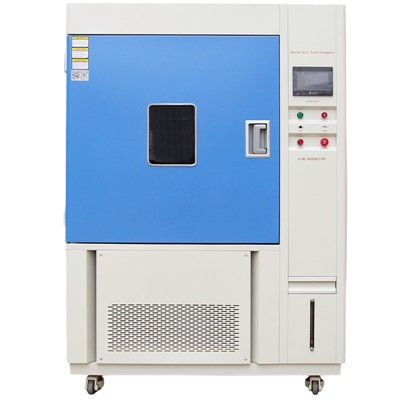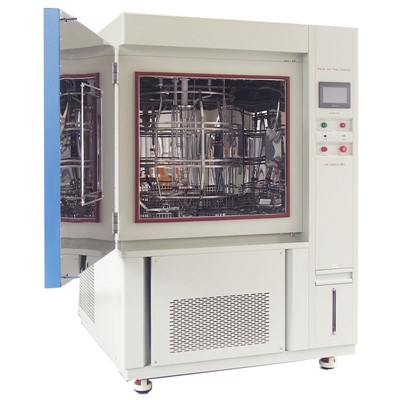


Hey there! I'm from a Thermal Humidity Chamber supplier, and today I want to share some tips on how to adjust the temperature and humidity ramp rates in a thermal humidity chamber.
First off, let's understand why adjusting these ramp rates is so important. In a thermal humidity chamber, the ability to control the rate at which temperature and humidity change is crucial for accurate testing. Whether you're testing electronic components, materials, or other products, the right ramp rates can ensure that the test conditions mimic real - world scenarios as closely as possible.
Understanding Ramp Rates
Ramp rates refer to the speed at which the temperature and humidity inside the chamber change over time. For example, if you set a temperature ramp rate of 5°C per minute, the temperature inside the chamber will increase or decrease by 5 degrees Celsius every minute. Similarly, a humidity ramp rate of 3% per minute means that the humidity will change by 3 percentage points every minute.
Factors Affecting Ramp Rates
There are several factors that can affect the ramp rates in a thermal humidity chamber.
Chamber Size
Larger chambers generally take longer to change temperature and humidity compared to smaller ones. This is because there's more air and volume to heat or cool, and more moisture to add or remove. So, if you have a big chamber, you might need to set a slower ramp rate to avoid overshooting the target temperature or humidity.
Load Inside the Chamber
The items you're testing inside the chamber, also known as the load, can also impact the ramp rates. If you have a large load or materials that have high heat capacity, it will take more energy and time to change the temperature and humidity around them. For instance, testing a stack of thick metal parts will require a slower ramp rate than testing a few small plastic components.
Heating and Cooling Systems
The efficiency of the chamber's heating and cooling systems plays a big role. A high - performance system can achieve faster ramp rates. If your chamber has a powerful compressor and heater, you can set higher ramp rates. On the other hand, an older or less efficient system might struggle to reach high ramp rates and could lead to inaccurate results.
Adjusting Temperature Ramp Rates
To adjust the temperature ramp rate in your thermal humidity chamber, follow these steps:
Check the Chamber Manual
The first thing you should do is refer to the chamber's user manual. It will have detailed instructions on how to set the temperature ramp rate. Usually, there's a control panel on the chamber where you can input the desired ramp rate.
Start with a Low Rate
When you're starting a new test, it's a good idea to start with a relatively low ramp rate. This allows you to monitor how the chamber responds and make sure that the temperature is changing smoothly. You can gradually increase the ramp rate if needed.
Monitor the Temperature
Once you've set the ramp rate, keep an eye on the temperature inside the chamber. Use the chamber's display or a separate temperature sensor to check if the temperature is changing at the expected rate. If the temperature is overshooting or undershooting the target, you might need to adjust the ramp rate.
Adjusting Humidity Ramp Rates
Adjusting the humidity ramp rate is a bit more complex than adjusting the temperature ramp rate. Here's how you can do it:
Know the Humidity Generation Method
There are different ways to generate humidity in a chamber, such as steam injection or water evaporation. The method your chamber uses will affect how you adjust the humidity ramp rate. If it's a steam injection system, you can control the flow of steam to adjust the humidity change rate. For a water evaporation system, you can adjust the rate of water evaporation.
Set the Target Humidity
Before adjusting the ramp rate, set the target humidity level. Then, use the chamber's control panel to set the humidity ramp rate. Just like with temperature, start with a low rate and monitor the humidity inside the chamber.
Consider the Dew Point
The dew point is an important factor when adjusting humidity. If the humidity is increased too quickly, it can cause condensation inside the chamber. Make sure to keep the humidity ramp rate at a level that avoids condensation.
Using Different Chambers for Specialized Tests
If you need to conduct more specialized tests, we also offer other types of chambers. For example, our Temperature Altitude Chamber can simulate different altitudes along with temperature and humidity changes. This is great for testing products that will be used at high altitudes, like aerospace components.
Our Vibration Test Chamber combines temperature and humidity testing with vibration. It's ideal for testing products that need to withstand vibrations in real - world conditions, such as automotive parts.
And if you need to perform cyclic tests, our Temperature Humidity Cycling Chamber is the perfect choice. It can repeatedly cycle through different temperature and humidity conditions, which is useful for long - term durability testing.


Conclusion
Adjusting the temperature and humidity ramp rates in a thermal humidity chamber is a key part of ensuring accurate and reliable test results. By understanding the factors that affect ramp rates and following the right steps, you can get the most out of your chamber.
If you're in the market for a thermal humidity chamber or need more information on adjusting ramp rates, don't hesitate to reach out. We're here to help you find the best solution for your testing needs. Whether you're a small - scale lab or a large - scale manufacturing facility, we've got the expertise and the products to meet your requirements. Contact us to start a discussion about your specific needs and how we can assist you in your testing processes.
References
- Thermal Humidity Chamber User Manuals
- Industry standards for environmental testing