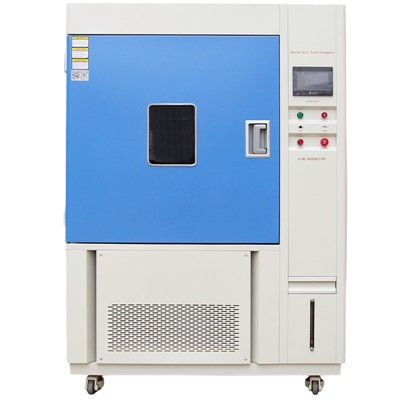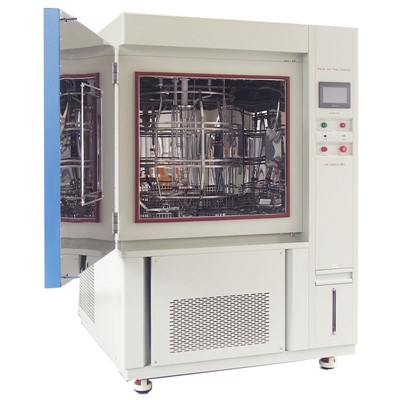


Hey there! As a supplier of ASTM G155 Test Chambers, I often get asked about the dust resistance of these chambers. In this blog post, I'll break down what dust resistance means in the context of an ASTM G155 Test Chamber, why it's important, and how it impacts your testing needs.
What is Dust Resistance in an ASTM G155 Test Chamber?
Let's start with the basics. An ASTM G155 Test Chamber is designed to simulate natural sunlight, heat, and moisture conditions to test the durability of materials. Dust resistance, in this case, refers to the chamber's ability to keep dust and other particulate matter from entering the testing environment. This is crucial because dust can interfere with the accuracy of the test results and potentially damage the equipment inside the chamber.
The dust resistance of an ASTM G155 Test Chamber is typically measured by its ability to prevent dust from entering through various openings, such as doors, vents, and cable entries. A well-designed chamber will have seals and gaskets that effectively block dust particles, ensuring a clean and controlled testing environment.
Why is Dust Resistance Important?
There are several reasons why dust resistance is important in an ASTM G155 Test Chamber. Firstly, dust can contaminate the test samples, leading to inaccurate results. For example, if dust settles on a sample being tested for weathering resistance, it can create a barrier that affects the way the sample interacts with the simulated sunlight and moisture. This can result in false readings and unreliable data.
Secondly, dust can damage the internal components of the chamber. The chamber's sensors, lamps, and other delicate parts are sensitive to dust and can malfunction if exposed to excessive amounts. This can lead to costly repairs and downtime, which can be a major headache for businesses relying on the chamber for their testing needs.
Finally, maintaining a dust-free environment is essential for the safety of the operators. Inhaling dust particles can be harmful to health, especially if the dust contains toxic or hazardous substances. By ensuring that the chamber is dust-resistant, we can protect the health and well-being of the people using the equipment.
How is Dust Resistance Achieved in an ASTM G155 Test Chamber?
Achieving dust resistance in an ASTM G155 Test Chamber requires a combination of design features and maintenance practices. Here are some of the key factors that contribute to a chamber's dust resistance:
- Seals and Gaskets: High-quality seals and gaskets are used to prevent dust from entering the chamber through doors, windows, and other openings. These seals are designed to be airtight and durable, ensuring a tight fit that keeps dust out.
- Filtration Systems: Many ASTM G155 Test Chambers are equipped with filtration systems that remove dust and other particulate matter from the air before it enters the chamber. These filters can be made of various materials, such as fiberglass or activated carbon, and are designed to trap dust particles of different sizes.
- Positive Pressure: Some chambers use a positive pressure system to prevent dust from entering. This involves maintaining a slightly higher pressure inside the chamber than outside, which forces air to flow out of the chamber and prevents dust from being drawn in.
- Regular Maintenance: Regular maintenance is essential for ensuring the dust resistance of an ASTM G155 Test Chamber. This includes cleaning the chamber regularly, replacing filters as needed, and inspecting the seals and gaskets for signs of wear and tear.
Comparing Dust Resistance in Different Test Chambers
When choosing an ASTM G155 Test Chamber, it's important to compare the dust resistance of different models. Some chambers may have better dust resistance than others, depending on their design and construction. Here are some factors to consider when comparing dust resistance:
- Seal Quality: Look for chambers with high-quality seals and gaskets that are designed to prevent dust from entering. Check the manufacturer's specifications for information on the seal material and its durability.
- Filtration Efficiency: Consider the efficiency of the chamber's filtration system. Look for chambers with high-efficiency filters that can remove a wide range of dust particles.
- Positive Pressure Design: Chambers with a positive pressure design are generally more dust-resistant than those without. This is because the positive pressure helps to keep dust out of the chamber.
- Maintenance Requirements: Consider the maintenance requirements of the chamber. Some chambers may require more frequent cleaning and filter replacement than others, which can affect the overall cost and convenience of using the chamber.
Impact of Dust Resistance on Testing Results
The dust resistance of an ASTM G155 Test Chamber can have a significant impact on the accuracy and reliability of the testing results. Here's how:
- Accuracy: A dust-free environment is essential for accurate testing. Dust can interfere with the sensors and other components of the chamber, leading to inaccurate readings. By ensuring that the chamber is dust-resistant, we can minimize the risk of errors and ensure that the test results are reliable.
- Reproducibility: Reproducibility is an important aspect of testing. If the test results are not reproducible, it can be difficult to draw meaningful conclusions from the data. A dust-resistant chamber helps to ensure that the testing conditions are consistent, which improves the reproducibility of the results.
- Longevity of the Chamber: Dust can damage the internal components of the chamber, leading to premature wear and tear. By keeping the chamber dust-free, we can extend its lifespan and reduce the need for costly repairs and replacements.
Choosing the Right ASTM G155 Test Chamber for Your Needs
When choosing an ASTM G155 Test Chamber, it's important to consider your specific testing needs and requirements. Here are some factors to keep in mind:


- Testing Standards: Make sure the chamber meets the relevant testing standards, such as ASTM G155. This will ensure that the test results are valid and reliable.
- Size and Capacity: Consider the size and capacity of the chamber. Make sure it is large enough to accommodate your test samples and any additional equipment you may need.
- Features and Options: Look for chambers with features and options that meet your specific testing needs. For example, some chambers may have adjustable temperature and humidity controls, while others may have built-in data logging capabilities.
- Dust Resistance: As discussed earlier, dust resistance is an important factor to consider. Look for chambers with high-quality seals, filtration systems, and positive pressure designs.
Conclusion
In conclusion, the dust resistance of an ASTM G155 Test Chamber is an important factor to consider when choosing a chamber for your testing needs. A dust-resistant chamber helps to ensure accurate and reliable test results, protects the internal components of the chamber, and provides a safe and healthy working environment for the operators.
If you're in the market for an ASTM G155 Test Chamber, I encourage you to visit our website at ASTM G155 Test Chamber to learn more about our products and services. We also offer a range of other test chambers, including Xenon Arc Test Chamber and UV Weather Resistance Test Chamber.
If you have any questions or would like to discuss your specific testing needs, please don't hesitate to contact us. We're here to help you find the right solution for your business.
References
- ASTM International. (n.d.). ASTM G155 - Standard Practice for Operating Xenon Arc Light Apparatus for Exposure of Nonmetallic Materials. Retrieved from [ASTM website]
- Manufacturer's specifications for ASTM G155 Test Chambers.