



Hey there! As a supplier of Ozone Resistance Test Chambers, I've seen firsthand how various factors can significantly impact the test results. In this blog, I'll break down these factors and explain why they matter.
Ozone Concentration
One of the most critical factors in an Ozone Resistance Test Chamber is the ozone concentration. Ozone is a highly reactive gas, and its concentration in the chamber directly affects the rate of ozone aging. Higher ozone concentrations generally lead to faster aging of the test specimens.
For example, if you're testing rubber materials, a higher ozone concentration can cause the rubber to crack and degrade more quickly. This is because ozone reacts with the double bonds in the rubber molecules, breaking them down and causing the material to lose its elasticity.
However, it's important to note that the ozone concentration needs to be carefully controlled. If the concentration is too high, it can lead to unrealistic test results. On the other hand, if the concentration is too low, the aging process may be too slow to provide meaningful data.
Temperature and Humidity
Temperature and humidity also play a significant role in the ozone resistance test. Higher temperatures generally accelerate the aging process, as they increase the kinetic energy of the molecules, making them more reactive. Humidity can also affect the test results, as it can influence the rate of ozone absorption and reaction with the test specimens.
For instance, in a high - humidity environment, the moisture can interact with the ozone and the test material, potentially altering the chemical reactions. Some materials may absorb moisture, which can change their physical and chemical properties, and thus affect their resistance to ozone.
It's crucial to maintain a stable temperature and humidity within the test chamber. Most test standards specify a particular temperature and humidity range to ensure consistent and accurate test results. Our Ozone Resistance Test Chamber is equipped with advanced temperature and humidity control systems to meet these requirements.
Test Specimen Characteristics
The characteristics of the test specimen itself can have a big impact on the test results. The material type, thickness, and surface area all matter.
Different materials have different levels of ozone resistance. For example, natural rubber is generally less resistant to ozone than synthetic rubbers like neoprene or EPDM. The thickness of the specimen can also affect the rate of ozone aging. Thicker specimens may take longer to show signs of degradation compared to thinner ones because the ozone has to penetrate deeper into the material.
The surface area of the specimen is another important factor. A larger surface area provides more contact with the ozone, which can lead to faster aging. If you're testing a complex - shaped specimen, the areas with more surface exposure will age more quickly.
Exposure Time
The length of time the specimens are exposed to ozone is a straightforward but crucial factor. Longer exposure times allow for more extensive ozone - induced damage to occur.
In some cases, short - term exposure tests can provide initial insights into the material's ozone resistance. However, for a more comprehensive understanding, longer - term tests are often necessary. The exposure time should be determined based on the specific requirements of the test and the expected service life of the material.
Air Circulation
Proper air circulation within the Ozone Resistance Test Chamber is essential. Good air circulation ensures that the ozone is evenly distributed throughout the chamber, so all test specimens are exposed to the same ozone concentration.
If the air circulation is poor, some areas of the chamber may have higher or lower ozone concentrations, leading to inconsistent test results. Our Ozone Aging Test Machine is designed with efficient air circulation systems to ensure uniform ozone distribution.
Chamber Design and Construction
The design and construction of the test chamber can also affect the test results. A well - designed chamber should minimize ozone leakage and provide a stable environment for the tests.
The materials used in the chamber construction should be resistant to ozone to prevent contamination and ensure the accuracy of the test. For example, the interior of the chamber should be made of materials that do not react with ozone or release any substances that could interfere with the test.
Testing Standards and Procedures
Following the appropriate testing standards and procedures is vital. Different industries and applications may have specific standards for ozone resistance testing.
For example, the automotive industry may have different requirements compared to the aerospace industry. Adhering to these standards ensures that the test results are comparable and reliable. Our company provides detailed guidance on how to conduct tests in accordance with various international standards.
Impact on Product Quality and Performance
Understanding these factors is not just about getting accurate test results; it's also about ensuring the quality and performance of the products. By accurately assessing the ozone resistance of materials, manufacturers can make informed decisions about the suitability of materials for different applications.
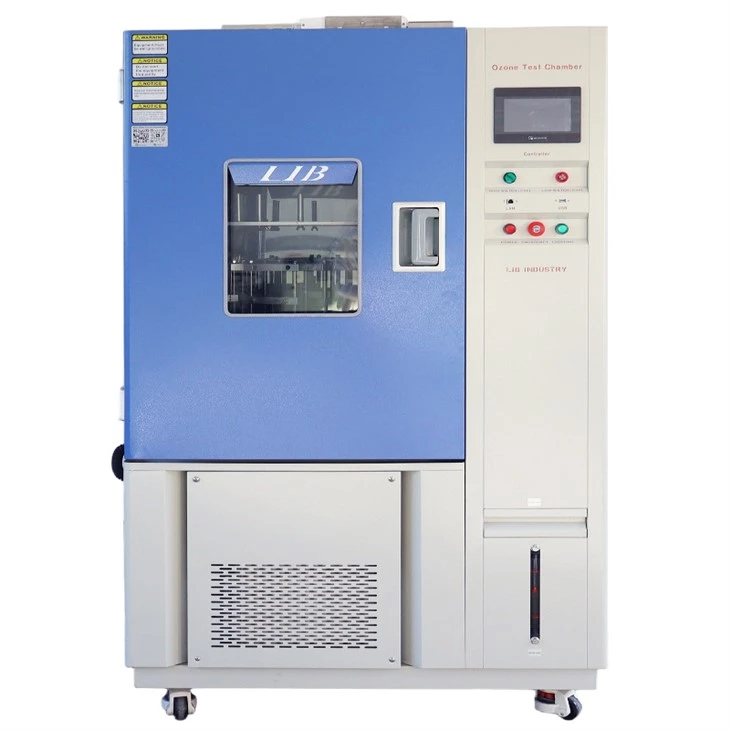
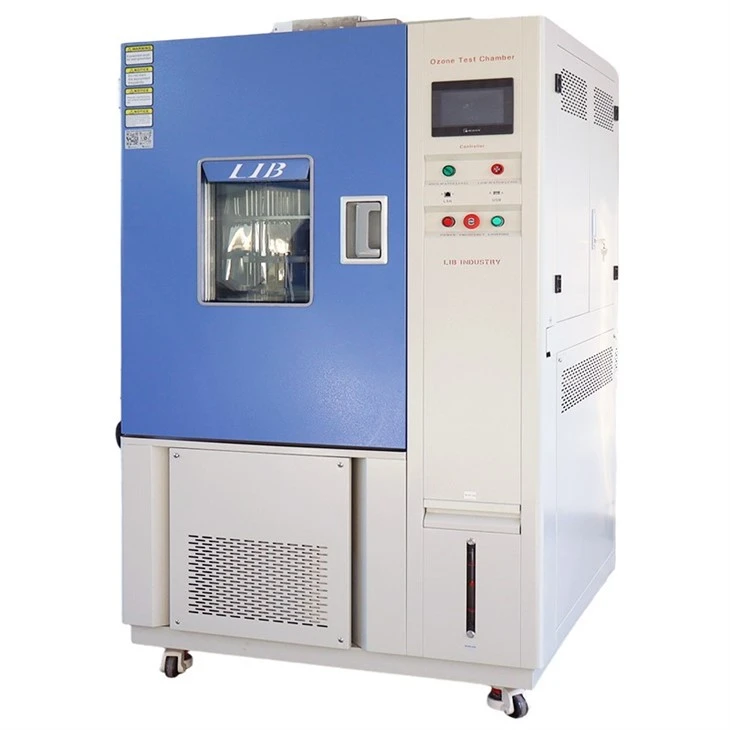
For example, if a rubber component is going to be used in an outdoor environment where it will be exposed to ozone, a thorough ozone resistance test can help determine if the material will withstand the conditions over its expected service life.
Conclusion
In conclusion, several factors can affect the test results in an Ozone Resistance Test Chamber. From ozone concentration and temperature to specimen characteristics and exposure time, each factor plays a crucial role in determining the accuracy and reliability of the test.
As a supplier of Rubber Ozone Aging Test Chamber, we understand the importance of these factors and have designed our chambers to provide accurate and consistent test results. If you're in the market for an Ozone Resistance Test Chamber or have any questions about ozone resistance testing, don't hesitate to contact us for a detailed discussion. We're here to help you make the right choice for your testing needs.
References
- ASTM D1149 - Standard Test Method for Rubber Deterioration—Surface Cracking in an Ozone Environment
- ISO 1431 - Rubber, vulcanized or thermoplastic — Resistance to ozone cracking


