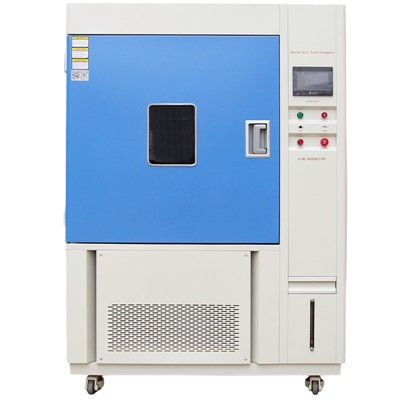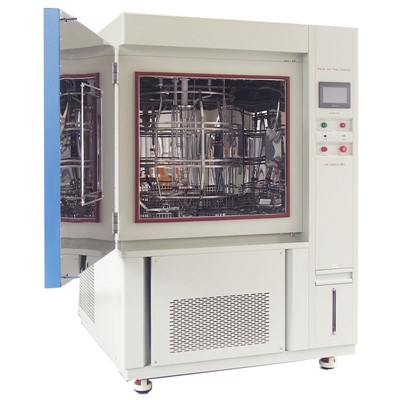



Hey there! As a supplier of Walk - In Humidity Chambers, I often get asked this question: "How long does it take for a Walk - In Humidity Chamber to reach the set conditions?" Well, let's dig into this topic and find out.
Factors Affecting the Time to Reach Set Conditions
The time it takes for a Walk - In Humidity Chamber to reach the set conditions is influenced by several key factors.
Chamber Size
The size of the chamber is a major factor. Larger chambers naturally take longer to reach the set temperature and humidity levels. Think about it - if you have a small room, it's easier and quicker to heat or cool it compared to a big warehouse. A small Walk - In Humidity Chamber might reach the set conditions in a couple of hours, while a large one could take 6 - 8 hours or even more.
Initial Conditions
The starting temperature and humidity inside the chamber play a huge role. If the initial conditions are close to the set conditions, the chamber will reach the target faster. For example, if you're trying to set the chamber to 25°C and 60% relative humidity, and the initial conditions are 23°C and 58% relative humidity, it'll take less time than if the initial conditions are 10°C and 30% relative humidity.
Set Conditions
The more extreme the set conditions, the longer it takes. If you're aiming for very low temperatures and high humidity, or vice versa, the chamber has to work harder. For instance, reaching a temperature of - 20°C and 90% relative humidity will take much longer than reaching 20°C and 50% relative humidity.
Insulation
Good insulation in the chamber can significantly reduce the time to reach the set conditions. A well - insulated chamber retains the temperature and humidity better, so the heating or cooling system doesn't have to work as hard. Chambers with poor insulation will lose heat or moisture, and the system will have to keep compensating, which takes more time.
Understanding the Process
Let's break down the process of a Walk - In Humidity Chamber reaching the set conditions.
Temperature Control
The chamber uses a heating and cooling system to adjust the temperature. When you set a temperature, the system starts working. If it's a cooling process, the compressor kicks in to remove heat from the chamber. If it's a heating process, the heater starts to warm up the air. The sensors inside the chamber constantly monitor the temperature and send signals to the control system to adjust the heating or cooling as needed.
Humidity Control
For humidity control, the chamber has a humidifier and a dehumidifier. If the set humidity is higher than the current humidity, the humidifier adds moisture to the air. If the set humidity is lower, the dehumidifier removes moisture. Similar to temperature control, sensors monitor the humidity levels and the control system adjusts the operation of the humidifier or dehumidifier.
Real - World Examples
Let's look at some real - world scenarios to give you a better idea of how long it might take.
Small Chamber for Laboratory Use
A small Walk - In Humidity Chamber, say with a volume of around 10 cubic meters, set to 20°C and 50% relative humidity from an initial condition of 25°C and 40% relative humidity, might take about 2 - 3 hours to reach the set conditions.
Large Chamber for Industrial Use
A large industrial Walk - In Humidity Chamber with a volume of 100 cubic meters, set to - 10°C and 80% relative humidity from an initial condition of 20°C and 30% relative humidity, could take 8 - 10 hours or more.
Comparison with Other Chambers
It's also interesting to compare the Walk - In Humidity Chamber with other types of chambers.
The Vibration Test Chamber is mainly used for testing the vibration resistance of products. While it may also have temperature and humidity control, its main focus is on vibration. The time to reach set temperature and humidity conditions in a Vibration Test Chamber can be similar to a Walk - In Humidity Chamber, but it might be affected by the additional vibration equipment.
The Temperature Humidity Cycling Chamber is designed to cycle between different temperature and humidity levels. The time to reach each set condition in a cycling chamber can vary depending on the complexity of the cycle and the range of temperature and humidity changes.
The Conditioning Chamber is used for conditioning products before testing. It usually has a more stable set of conditions, and the time to reach these conditions can be relatively shorter compared to a chamber with extreme set conditions.
Tips to Reduce the Time
If you want to reduce the time it takes for your Walk - In Humidity Chamber to reach the set conditions, here are some tips:
- Pre - condition the products: If you're putting products inside the chamber, try to pre - condition them to a temperature and humidity close to the set conditions. This reduces the load on the chamber.
- Maintain the chamber: Regular maintenance of the heating, cooling, humidifying, and dehumidifying systems ensures they work efficiently. A well - maintained system can reach the set conditions faster.
- Optimize the insulation: Check and improve the insulation of the chamber. This can prevent heat and moisture loss, making the system more effective.
Conclusion
In conclusion, the time it takes for a Walk - In Humidity Chamber to reach the set conditions depends on many factors such as chamber size, initial conditions, set conditions, and insulation. It can range from a couple of hours for a small chamber with mild set conditions to several hours or more for a large chamber with extreme set conditions.


If you're in the market for a Walk - In Humidity Chamber or have any questions about the time it takes to reach set conditions, don't hesitate to contact us. We're here to help you find the right chamber for your needs and ensure it operates efficiently.
References
- ASHRAE Handbook - HVAC Systems and Equipment
- Manufacturer's specifications for Walk - In Humidity Chambers