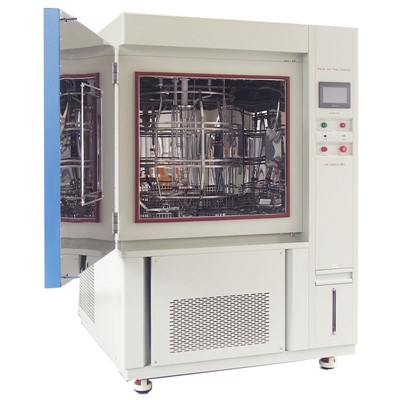


Hey there! As a supplier of salt fog chambers, I've seen firsthand how crucial it is to understand the impact of salt fog on various materials, especially textiles. Let's dig into what salt fog does to textiles in a salt fog chamber and why this knowledge matters.
What Exactly is a Salt Fog Chamber?
Before we talk about the impact on textiles, let me quickly explain what a salt fog chamber is. It's essentially a testing environment that mimics harsh, corrosive conditions found in real - world situations, like coastal areas. These chambers create a controlled setting filled with a fine mist of saltwater spray. Think of it as a little laboratory where we can simulate long - term exposure to salt in a short period.
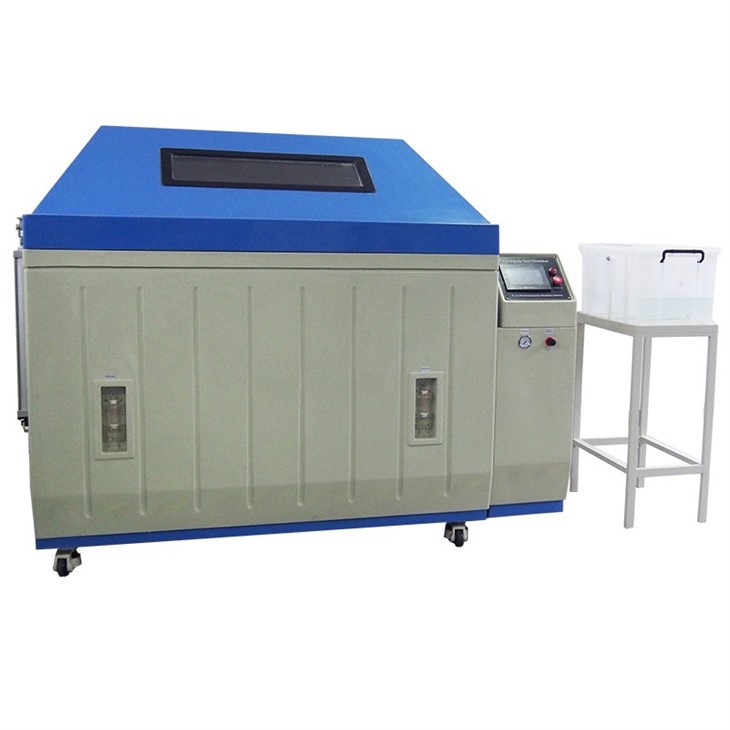
Now, there are different types of salt fog chambers we offer. For instance, the Salt Fog Spray Test Machine is great for basic salt spray testing. It's widely used in many industries, including textile testing. Another option is the Salt Fog and SO2 Corrosion Chamber, which adds sulfur dioxide to the mix, making the test more severe and closer to complex industrial environments. And if you're into testing fasteners as well, the Salt Mist Testing Equipment For Fastener Testing is worth considering, as it offers specific features tailored to that task.
How Salt Fog Affects Textiles
Dye and Color Fastness
One of the most visible impacts of salt fog on textiles is on their color. Textiles are often dyed to achieve a specific look, but salt fog can be a real enemy. The salt particles in the fog can react with the dyes in the fabric. This can lead to color fading, bleeding, or even a complete change in hue.
Imagine you have a beautiful red textile. After being exposed to salt fog in our salt fog chamber, you might notice that the red starts to look duller or that the color begins to bleed into other areas of the fabric. This is a big deal for the textile industry because color is a major selling point. Consumers expect their clothes, curtains, or upholstery to maintain their vibrant colors over time.
Fiber Degradation
Salt fog can also cause significant damage to the fibers that make up the textile. Different types of fibers, such as natural fibers like cotton and wool or synthetic fibers like polyester and nylon, react differently to salt fog.
Natural fibers are more vulnerable in many ways. Cotton, for example, can absorb the saltwater from the fog. The salt can then break down the cellulose structure of the cotton fibers. This leads to a loss of strength and flexibility. Over time, the cotton might become brittle and start to break apart.
Wool, on the other hand, has some natural resistance to moisture, but the salt can still affect the protein structure of the wool fibers. The salt can cause the fibers to become stiff and lose their softness. This is a huge problem for products like woolen sweaters or blankets, as consumers expect them to be soft and cozy.
Synthetic fibers are generally more resistant to salt fog, but they're not immune. The salt can still cause surface damage to the fibers. For instance, it can create tiny cracks or pits on the surface of polyester fibers. These surface defects can weaken the fibers and make them more prone to abrasion.
Mildew and Mold Growth
The moist environment created by salt fog in the chamber provides an ideal breeding ground for mildew and mold. Once these fungi start to grow on the textile, they can cause a whole host of problems.
Mildew and mold can stain the fabric, leaving unsightly black or green spots. They can also produce unpleasant odors. In addition, the growth of these microorganisms can further weaken the textile fibers. They break down the organic matter in the fabric as they feed, which can lead to a loss of strength and integrity.
This is especially concerning for textiles used in areas where hygiene is important, such as hospital linens or baby clothes. No one wants to use a product that's covered in mold or has a musty smell.

Why Testing in a Salt Fog Chamber is Essential
You might be wondering why it's so important to test textiles in a salt fog chamber. Well, there are several reasons.
Quality Control
For textile manufacturers, quality control is key. By testing their products in a salt fog chamber, they can ensure that their textiles meet certain standards. They can identify any potential issues with color fastness, fiber degradation, or mildew growth before the products reach the market.
This helps them avoid costly recalls and customer complaints. For example, if a manufacturer discovers that a particular batch of fabric fades quickly in salt fog testing, they can adjust their dyeing process or choose a different type of dye.
Product Development
Salt fog testing also plays a crucial role in product development. Textile companies are always looking for ways to improve their products. By exposing textiles to salt fog in a controlled environment, they can experiment with different fibers, dyes, and finishes.
They might find that a certain blend of fibers is more resistant to salt fog than others. Or they could discover a new type of finish that protects the fabric from color fading. This allows them to create better, more durable textiles that can withstand harsh environmental conditions.
Meeting Industry Standards
There are many industry standards and regulations regarding textile quality. For example, some standards specify the minimum level of color fastness that a textile should have. By using a salt fog chamber to test their products, manufacturers can ensure that they meet these standards.
If a company fails to meet the industry standards, they could face legal issues or lose their reputation in the market. So, salt fog testing is not just a nice - to - have; it's a necessity for many textile businesses.
How Our Salt Fog Chambers Can Help
As a salt fog chamber supplier, we've designed our chambers to be as efficient and reliable as possible. Our chambers are equipped with advanced controls that allow you to precisely adjust the temperature, humidity, and salt spray concentration. This means you can create a wide range of testing conditions to simulate different real - world scenarios.
Whether you're testing a small sample of a high - end silk fabric or a large batch of outdoor workwear, our chambers can handle it. And our team is always available to provide technical support and advice on how to get the most out of your testing.
Time to Take Action
If you're in the textile industry and want to ensure the quality and durability of your products, it's time to consider investing in salt fog testing. Our salt fog chambers can provide you with accurate and reliable results, helping you make informed decisions about your product development and quality control.
Don't hesitate to reach out and start a conversation with us. We're excited to help you take your textile products to the next level. Whether you have questions about our Salt Fog Spray Test Machine, Salt Fog and SO2 Corrosion Chamber, or Salt Mist Testing Equipment For Fastener Testing, we're here to assist you. Let's work together to create better, more resilient textiles!
References
- ASTM International. (20XX). ASTM standards related to salt spray testing of materials.
- Textile Research Journal. (20XX). Studies on the effects of salt fog on different types of textile fibers.
- Industry reports on textile quality control and testing methods.