


Hey there! As a supplier of Temperature Altitude Chambers, I've been getting a lot of questions lately about what factors can affect the altitude control accuracy in these chambers. So, I thought I'd write a blog post to break it down for you.
First off, let's talk about why altitude control accuracy is so important. In a Temperature Altitude Chamber, you're trying to simulate different environmental conditions, including changes in altitude. Whether you're testing aerospace components, electronic devices, or even pharmaceuticals, getting the altitude right is crucial. Incorrect altitude settings can lead to inaccurate test results, which can be a huge problem in industries where precision is key.
1. Chamber Design and Construction
One of the biggest factors that can affect altitude control accuracy is the design and construction of the chamber itself. A well - built chamber will have better insulation and sealing, which helps to maintain a stable internal environment. If the chamber has leaks, it can be really hard to control the altitude accurately. Air can seep in or out, causing fluctuations in pressure that throw off your altitude readings.
For example, if the seals around the doors or access ports are worn out or not properly installed, you'll have a hard time keeping the pressure at the desired level. Also, the materials used in the chamber's construction matter. Chambers made from high - quality, rigid materials are better at maintaining their shape under pressure changes, which is essential for accurate altitude control.
2. Pressure Sensors and Transducers
Pressure sensors and transducers are like the eyes and ears of your Temperature Altitude Chamber when it comes to altitude control. These devices measure the internal pressure of the chamber and convert it into an altitude reading. If they're not calibrated correctly or are of poor quality, your altitude control will be way off.
Over time, sensors can drift, meaning their readings become less accurate. Regular calibration is a must to ensure that they're providing reliable data. You should also invest in high - quality sensors from reputable manufacturers. Cheaper sensors might save you some money upfront, but they can end up costing you more in the long run due to inaccurate test results.
3. Pumping and Venting Systems
The pumping and venting systems in your chamber are responsible for changing the internal pressure to simulate different altitudes. These systems need to be powerful enough to quickly and accurately adjust the pressure. If the pumps are too weak or the venting valves are not functioning properly, it can take a long time to reach the desired altitude, and you might not be able to hold it steady.
For instance, if the pump can't remove air from the chamber fast enough when you're trying to simulate a high - altitude environment, the pressure won't drop as quickly as it should. On the other hand, if the venting valve opens too wide or too suddenly, it can cause a rapid pressure change that's hard to control.
4. Temperature and Humidity
Believe it or not, temperature and humidity can also have an impact on altitude control accuracy. Changes in temperature can cause the air inside the chamber to expand or contract, which affects the pressure. If the temperature is not stable, it can be difficult to maintain a consistent altitude.
Humidity can also play a role. Water vapor in the air can change the density of the air, which in turn affects the pressure. In a chamber with high humidity, the pressure readings might be different from what you'd expect at a given altitude. That's why it's important to have proper temperature and humidity control systems in place.
If you're interested in related products, check out our Alternative Humidity And Temperature Control Cabinet, Environmental Simulation Temperature Humidity Test Machine, and Temperature Humidity Environmental Chamber. These products can help you better manage the environmental conditions in your testing process.
5. Control Software
The control software in your Temperature Altitude Chamber is what ties everything together. It takes the data from the sensors, controls the pumping and venting systems, and displays the altitude readings. If the software is buggy or not well - designed, it can cause problems with altitude control.
A good control software should be user - friendly and allow you to easily set and adjust the altitude settings. It should also have built - in safety features to prevent over - pressurization or other dangerous conditions. Regular software updates are important to ensure that the software is running smoothly and taking advantage of the latest technological improvements.
6. Operator Training
Last but not least, the people operating the Temperature Altitude Chamber play a big role in altitude control accuracy. Even the best - designed chamber with top - of - the - line equipment can perform poorly if the operator doesn't know how to use it correctly.
Operators need to be trained on how to set up the chamber, calibrate the sensors, and monitor the test process. They should also know how to troubleshoot common problems that might affect altitude control. A well - trained operator can make a huge difference in the accuracy and reliability of your test results.
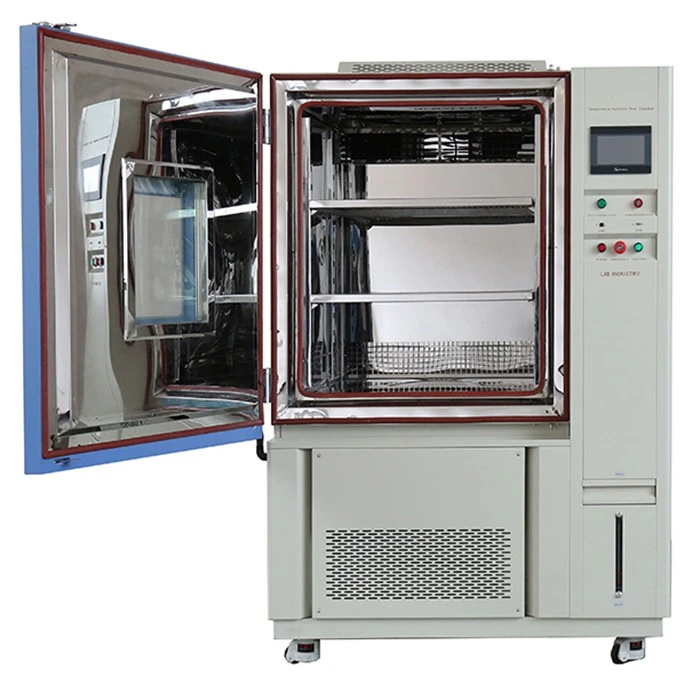

So, there you have it! These are some of the main factors that can affect the altitude control accuracy in a Temperature Altitude Chamber. As a supplier, we're always here to help you understand these factors and choose the right chamber for your needs. If you're in the market for a Temperature Altitude Chamber or have any questions about altitude control accuracy, don't hesitate to reach out. We can work with you to find the best solution for your specific testing requirements. Let's get in touch and start a discussion about how we can meet your needs and ensure accurate altitude control in your testing processes.
References
- Smith, J. (2020). "Advanced Environmental Testing Chambers: Design and Operation."
- Johnson, A. (2019). "Pressure Sensors and Their Applications in Altitude Simulation."
- Brown, R. (2021). "Temperature and Humidity Effects on Altitude Control in Testing Environments."


