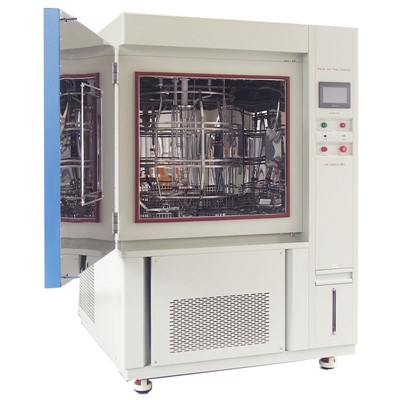


As a supplier of Thermal Humidity Chambers, I've encountered numerous inquiries regarding temperature fluctuations within these chambers. Understanding the possible causes of such fluctuations is crucial for ensuring the accuracy and reliability of environmental testing. In this blog post, I'll delve into the various factors that can lead to temperature instability in a thermal humidity chamber.
1. Equipment Malfunctions
One of the primary causes of temperature fluctuations is equipment malfunctions. The heating and cooling systems are the heart of a thermal humidity chamber, and any issues with these components can disrupt the temperature control. For instance, a faulty heater may not provide sufficient heat, leading to a drop in temperature. On the other hand, a malfunctioning compressor in the cooling system can result in overheating.
The sensors in the chamber also play a vital role in maintaining the desired temperature. If the temperature sensors are inaccurate or damaged, they may send incorrect signals to the control system, causing it to adjust the temperature inappropriately. Regular calibration and maintenance of these sensors are essential to prevent such problems.
Another potential source of equipment - related temperature fluctuations is the fan system. The fans are responsible for circulating the air inside the chamber to ensure uniform temperature distribution. A damaged or under - performing fan can create hot and cold spots, leading to significant temperature variations.
2. Improper Installation
The way a thermal humidity chamber is installed can have a profound impact on its temperature stability. If the chamber is not installed on a level surface, it can affect the operation of the internal components. For example, an unevenly placed chamber may cause the refrigerant to flow unevenly in the cooling system, leading to inconsistent cooling and temperature fluctuations.
In addition, the location of the chamber matters. Placing the chamber near a heat source, such as a radiator or direct sunlight, can introduce external heat into the chamber, making it difficult for the temperature control system to maintain the set temperature. Similarly, if the chamber is installed in an area with poor ventilation, the heat generated by the equipment may not be dissipated effectively, resulting in temperature spikes.
3. Load Characteristics
The type and quantity of the load placed inside the thermal humidity chamber can also cause temperature fluctuations. Different materials have different heat capacities, which means they absorb and release heat at different rates. If the load inside the chamber has a high heat capacity, it may take longer for the chamber to reach the set temperature, and sudden changes in the load can cause temporary temperature variations.
Overloading the chamber is another common issue. When too many items are placed inside the chamber, it restricts the air circulation, preventing the fans from distributing the heat evenly. This can lead to hot spots and temperature imbalances within the chamber.
4. Control System Issues
The control system of a thermal humidity chamber is designed to maintain the set temperature and humidity levels. However, software glitches or incorrect programming can cause the control system to malfunction. For example, if the control algorithm is not properly configured, it may over - or under - react to temperature changes, leading to continuous fluctuations.
In some cases, the control system may not be compatible with the specific requirements of the testing. For instance, if the chamber is being used for a highly precise temperature - sensitive test, a standard control system may not be able to provide the necessary accuracy, resulting in temperature variations.
5. Environmental Factors
External environmental conditions can also influence the temperature inside the chamber. Changes in the ambient temperature and humidity can put additional stress on the chamber's temperature control system. For example, during hot summer days, the chamber may have to work harder to maintain a low temperature, and sudden changes in humidity can affect the heat transfer processes inside the chamber.
Power fluctuations in the electrical supply can also cause problems. If the power supply to the chamber is unstable, it can affect the operation of the heating, cooling, and control systems, leading to temperature variations.
Solutions and Recommendations
To address these issues, regular maintenance of the thermal humidity chamber is essential. This includes checking and calibrating the sensors, inspecting the heating and cooling systems, and ensuring the proper functioning of the fans. Additionally, following the manufacturer's installation guidelines carefully can prevent many installation - related problems.
When it comes to load management, it's important to ensure that the load is evenly distributed inside the chamber and that the chamber is not overloaded. For more precise temperature control, upgrading the control system or using a more advanced model may be necessary.
If you're facing persistent temperature fluctuations in your thermal humidity chamber, don't hesitate to reach out to us. As a professional supplier, we have the expertise and experience to diagnose and solve these problems. We offer a wide range of Thermal Humidity Chamber models, as well as Alternative Humidity And Temperature Control Cabinet and Temperature Humidity Pressure Chamber options to meet your specific testing needs.
Whether you're looking to purchase a new chamber or need assistance with an existing one, we're here to help. Contact us today to discuss your requirements and start a procurement negotiation. We're committed to providing you with high - quality products and excellent customer service.

References
- ASTM International. (20XX). Standard practices for environmental testing of materials.
- Manufacturer's manual for thermal humidity chambers.