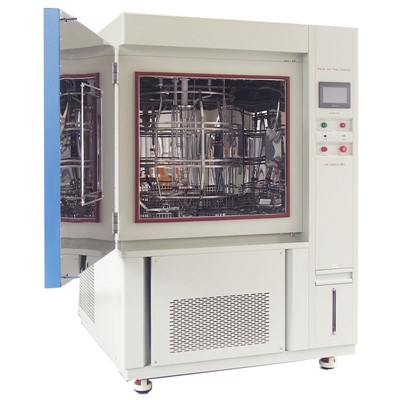


Can a dust chamber test electronic components?
In the realm of electronic component development and quality assurance, the need for rigorous testing is paramount. One crucial aspect of such testing involves assessing how these components perform in dusty environments. This is where dust chambers come into play. As a leading dust chamber supplier, I am often asked whether a dust chamber can effectively test electronic components. The answer is a resounding yes, and in this blog, I will delve into the details of how dust chambers achieve this and why it is essential for the electronics industry.
Understanding the Role of Dust Chambers
Dust chambers are specialized testing equipment designed to simulate dusty environments. They are used to evaluate the performance, reliability, and durability of various products, including electronic components, under controlled dust conditions. By exposing electronic components to specific levels of dust concentration, particle size, and airflow, dust chambers can replicate real - world scenarios where these components might be used.
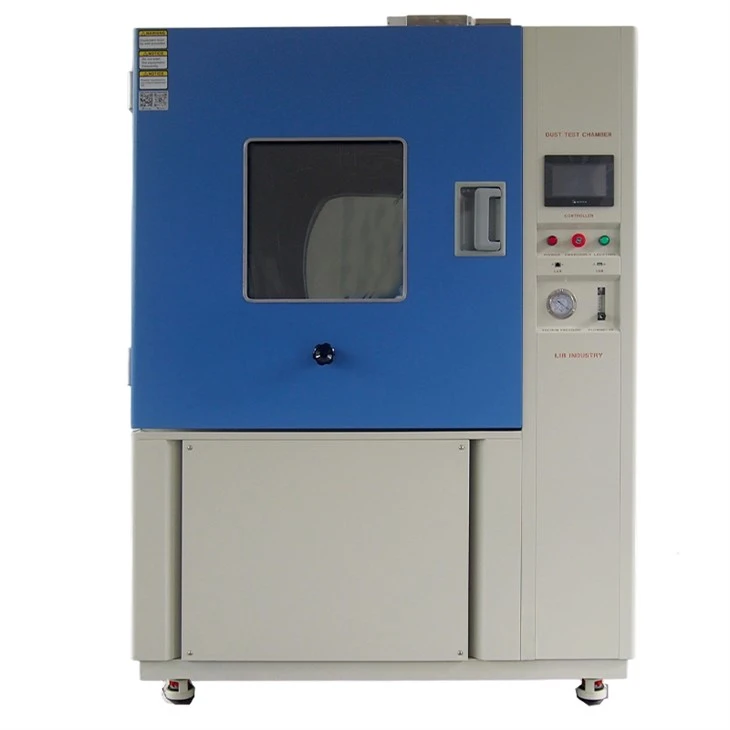
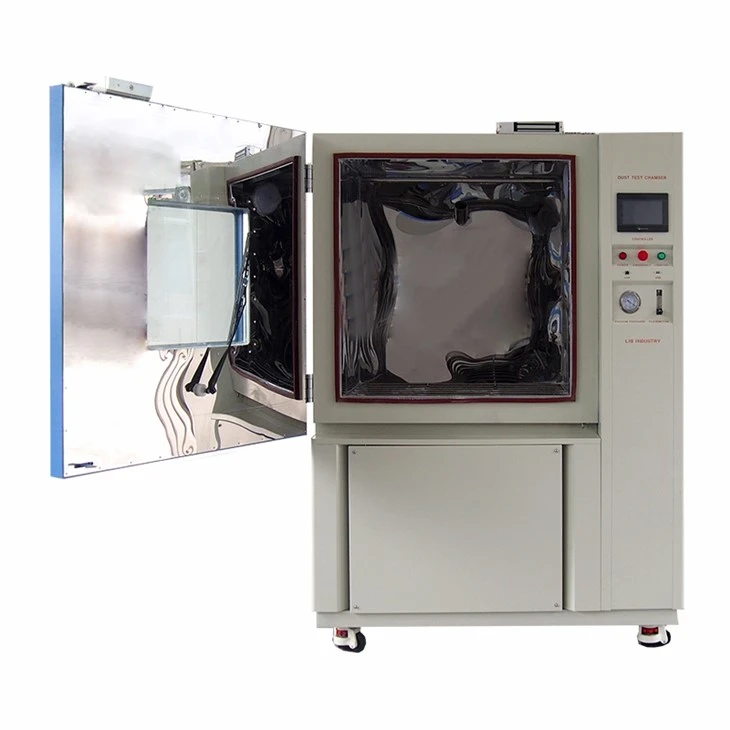
The construction of a dust chamber typically includes a sealed enclosure, a dust generation system, an airflow control system, and a monitoring and control unit. The dust generation system can produce different types of dust, such as silica dust, talc, or cement dust, depending on the requirements of the test. The airflow control system ensures that the dust is evenly distributed throughout the chamber, and the monitoring and control unit keeps track of parameters such as temperature, humidity, and dust concentration.
How Dust Chambers Test Electronic Components
When it comes to testing electronic components, dust chambers can perform several types of assessments.
Ingress Protection (IP) Testing
One of the most common applications of dust chambers in testing electronic components is for Ingress Protection (IP) testing. IP ratings are used to indicate the degree of protection provided by an enclosure against the ingress of solid particles (such as dust) and liquids. For example, an IP5X rating means that the enclosure provides protection against dust ingress to a degree that is sufficient to prevent harmful deposits, while an IP6X rating indicates complete protection against dust ingress.
Dust chambers can be used to conduct IP testing in accordance with international standards such as Dust Chamber IEC 60529. In these tests, the electronic component is placed inside the dust chamber, and the chamber is filled with a specific type and concentration of dust. The component is then subjected to the dusty environment for a set period of time, after which it is examined for signs of dust ingress. If the component meets the requirements of the IP rating, it can be certified as having the appropriate level of protection against dust.
Performance Degradation Testing
Dust can have a significant impact on the performance of electronic components. For example, dust particles can accumulate on the surface of printed circuit boards (PCBs), which can lead to short - circuits or increased electrical resistance. Dust can also clog cooling fans and vents, reducing the component's ability to dissipate heat, which can cause overheating and premature failure.
Dust chambers can be used to simulate long - term exposure to dusty environments to assess how the performance of electronic components degrades over time. By monitoring parameters such as electrical conductivity, temperature, and signal strength during the test, engineers can identify potential issues and make design improvements to enhance the component's reliability in dusty conditions.
Material Compatibility Testing
Electronic components are made up of various materials, including plastics, metals, and ceramics. Dust can interact with these materials in different ways, potentially causing corrosion, abrasion, or chemical reactions. Dust chambers can be used to test the compatibility of these materials with different types of dust.
For example, a dust chamber can be used to expose a sample of a plastic material used in an electronic component to a specific type of dust. After a period of exposure, the sample can be examined for signs of degradation, such as cracking, discoloration, or changes in mechanical properties. This information can be used to select the most suitable materials for use in electronic components that will be exposed to dusty environments.
Benefits of Using Dust Chambers for Electronic Component Testing
There are several benefits to using dust chambers for testing electronic components.
Quality Assurance
By testing electronic components in a dust chamber, manufacturers can ensure that their products meet the required quality standards. This helps to reduce the risk of product failures in the field, which can lead to costly recalls, customer dissatisfaction, and damage to the brand reputation.
Design Optimization
Dust chamber testing provides valuable insights into how electronic components perform in dusty environments. This information can be used to optimize the design of the components, such as improving the sealing of enclosures, adding dust filters, or using more dust - resistant materials.
Regulatory Compliance
Many industries have regulations and standards regarding the dust resistance of electronic components. For example, the automotive, aerospace, and military industries often require components to meet specific IP ratings or other dust - related requirements. Dust chamber testing helps manufacturers to ensure that their products comply with these regulations.
Our Dust Chamber Offerings
As a dust chamber supplier, we offer a wide range of dust chambers to meet the diverse needs of the electronics industry. Our Dust Ingress Test Chamber is specifically designed for IP testing and can simulate a variety of dust conditions. It is equipped with advanced features such as precise dust generation and distribution systems, accurate temperature and humidity control, and easy - to - use monitoring and control interfaces.
Our Dust Proof Test Chamber is ideal for long - term performance degradation testing and material compatibility testing. It can provide a stable and repeatable dusty environment, allowing for accurate and reliable test results.
Conclusion
In conclusion, dust chambers are an essential tool for testing electronic components. They can effectively simulate dusty environments and provide valuable information about how these components perform under such conditions. By using dust chambers for testing, manufacturers can ensure the quality, reliability, and compliance of their electronic products.
If you are in the electronics industry and are looking for a reliable dust chamber for testing your electronic components, we would be more than happy to assist you. Our team of experts can help you select the right dust chamber for your specific needs and provide you with comprehensive support throughout the testing process. Contact us today to start a conversation about your requirements and explore how our dust chambers can benefit your business.
References
- International Electrotechnical Commission (IEC). IEC 60529: Degrees of protection provided by enclosures (IP Code).
- Various industry standards and regulations related to dust resistance of electronic components.