



Can the Xenon Weatherometer simulate the weather in coastal areas?
As a supplier of Xenon Weatherometers, I am frequently asked whether our products can accurately simulate the weather conditions in coastal areas. Coastal environments present unique challenges due to a combination of factors such as high humidity, salt spray, strong winds, and intense sunlight. In this blog post, I will explore the capabilities of our Xenon Weatherometers in replicating these coastal weather conditions.
Understanding Coastal Weather Conditions
Coastal areas are characterized by a dynamic and complex climate. The proximity to the ocean leads to high levels of humidity, which can range from 70% to 90% on average. Salt spray is another significant factor, as it contains sodium chloride and other minerals that can corrode materials over time. Additionally, coastal regions often experience strong winds, which can carry salt particles and increase the rate of weathering. The sunlight in coastal areas is also intense, with high levels of ultraviolet (UV) radiation that can cause fading, cracking, and degradation of materials.
How Xenon Weatherometers Work
Xenon Weatherometers are designed to simulate the effects of natural sunlight, heat, and moisture on materials. They use a xenon arc lamp to produce a spectrum of light that closely mimics the solar spectrum, including UV, visible, and infrared radiation. The lamp is housed in a chamber where the temperature, humidity, and other environmental factors can be precisely controlled. By exposing materials to this simulated environment, we can accelerate the aging process and predict how they will perform over time in real-world conditions.
Simulating Humidity and Salt Spray
One of the key challenges in simulating coastal weather conditions is replicating the high humidity and salt spray. Our Xenon Weatherometers are equipped with a humidity control system that can maintain a constant relative humidity level within the chamber. This allows us to simulate the high humidity levels typically found in coastal areas.
To simulate salt spray, we can add a salt solution to the chamber and use a spray system to mist the materials. The salt solution can be adjusted to match the composition of the salt spray found in coastal environments. By exposing materials to salt spray in the chamber, we can evaluate their resistance to corrosion and degradation.
Simulating Sunlight and UV Radiation
The intense sunlight and UV radiation in coastal areas can cause significant damage to materials. Our Xenon Weatherometers are designed to produce a high-intensity UV radiation that closely mimics the solar spectrum. The xenon arc lamp emits a broad spectrum of UV radiation, including UVA and UVB, which are the most damaging wavelengths for materials.
By exposing materials to this high-intensity UV radiation in the chamber, we can accelerate the aging process and evaluate their resistance to fading, cracking, and degradation. The Xenon Weatherometer also allows us to control the intensity and duration of the UV radiation, which can be adjusted to match the specific conditions found in coastal areas.
Simulating Wind and Temperature
In addition to humidity, salt spray, and sunlight, coastal areas also experience strong winds and temperature variations. Our Xenon Weatherometers are equipped with a fan system that can simulate the effects of wind on materials. The fan can be adjusted to produce different wind speeds and directions, which can help us evaluate the resistance of materials to wind erosion and abrasion.
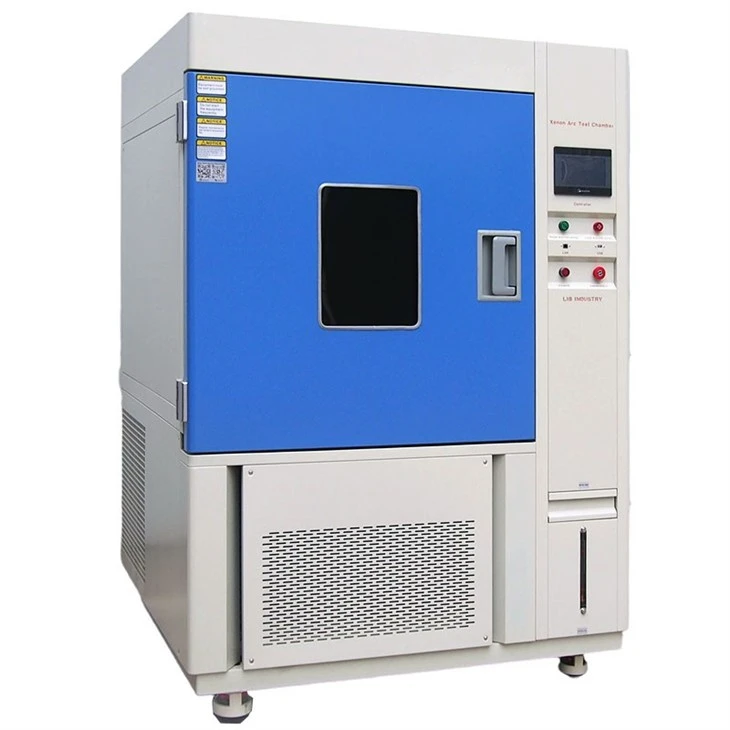
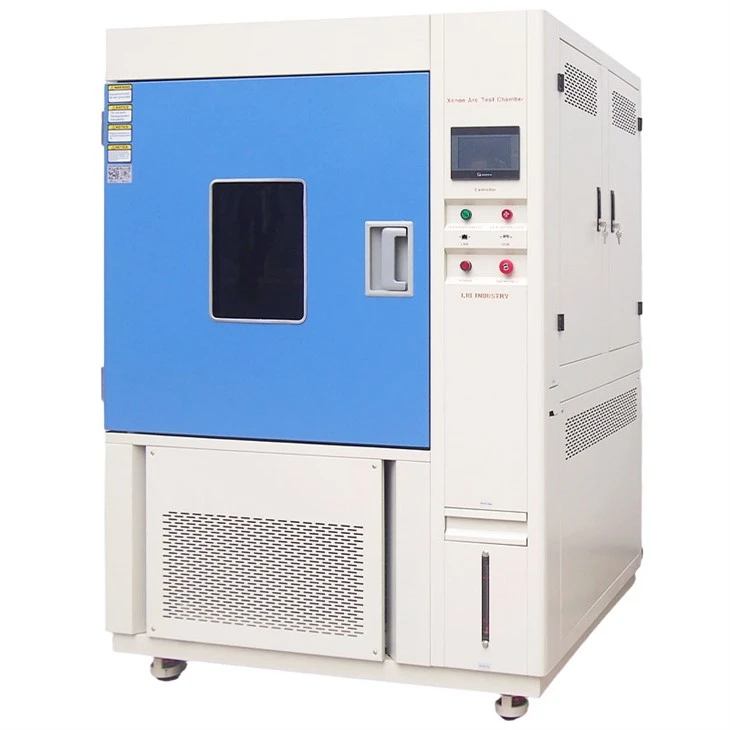
The temperature control system in the Xenon Weatherometer allows us to simulate the temperature variations found in coastal areas. We can set the temperature to match the average temperature in the coastal region and also simulate temperature fluctuations that occur during the day and night. By exposing materials to these temperature variations, we can evaluate their thermal stability and resistance to thermal expansion and contraction.
Case Studies
To demonstrate the effectiveness of our Xenon Weatherometers in simulating coastal weather conditions, let's look at a few case studies.
Case Study 1: Testing the Durability of Paint Coatings
A paint manufacturer wanted to test the durability of their paint coatings in coastal environments. They used our Xenon Weatherometer to simulate the high humidity, salt spray, and UV radiation found in coastal areas. The paint samples were exposed to the simulated environment for a period of several weeks, and the results were compared to samples that were exposed to natural weathering in a coastal area.
The results showed that the paint coatings that were tested in the Xenon Weatherometer performed similarly to the samples that were exposed to natural weathering. The coatings showed signs of fading, cracking, and corrosion, which were consistent with the damage that would occur in a real-world coastal environment.
Case Study 2: Evaluating the Resistance of Plastics to Coastal Weathering
A plastics manufacturer wanted to evaluate the resistance of their plastics to coastal weathering. They used our Xenon Weatherometer to simulate the high humidity, salt spray, and UV radiation found in coastal areas. The plastic samples were exposed to the simulated environment for a period of several months, and the results were compared to samples that were exposed to natural weathering in a coastal area.
The results showed that the plastics that were tested in the Xenon Weatherometer performed better than the samples that were exposed to natural weathering. The plastics showed less signs of fading, cracking, and degradation, which indicated that they were more resistant to coastal weathering.
Conclusion
In conclusion, our Xenon Weatherometers are capable of simulating the weather conditions in coastal areas. By replicating the high humidity, salt spray, sunlight, wind, and temperature variations found in coastal environments, we can evaluate the durability and performance of materials in a controlled laboratory setting. This allows us to predict how materials will perform over time in real-world coastal conditions and make informed decisions about their use.
If you are interested in learning more about our Xenon Weatherometers and how they can help you test the durability of your materials in coastal environments, please visit our website at Xenon Accelerated Weathering Tester, G151 Xenon Arc Weathering Test Apparatus, or Xenon Lamp Weathering Test Chamber. We would be happy to discuss your specific testing needs and provide you with a customized solution.
References
- ASTM G151 - Standard Practice for Exposing Non - metallic Materials in Accelerated Test Devices That Use Laboratory Light Sources
- ISO 4892 - 2 - Plastics -- Methods of exposure to laboratory light sources -- Part 2: Xenon - arc lamps


