



Hey there! I'm a supplier of water spray chambers, and today I wanna chat about whether stainless steel is a good material for a water spray chamber.
First off, let's talk about what makes a water spray chamber tick. A water spray chamber is used for all sorts of tests, like checking how well a product can withstand water exposure. It's crucial in industries where products need to be water - resistant, such as electronics, automotive parts, and outdoor equipment.
Now, let's dive into stainless steel. Stainless steel is an alloy, mainly composed of iron, with a significant amount of chromium (usually at least 10.5%). This chromium forms a thin, invisible layer called a passive film on the surface of the steel. This film is what gives stainless steel its corrosion - resistant properties.
One of the biggest advantages of using stainless steel in a water spray chamber is its corrosion resistance. In a water spray chamber, there's constant water exposure, and sometimes the water might even contain chemicals or salts. Regular steel would rust pretty quickly in such an environment. But stainless steel, thanks to that passive film, can handle the water and these corrosive elements. It means the chamber will last longer, and you won't have to worry about rust flakes getting into your test products.
Another plus is its durability. Stainless steel is a tough material. It can withstand the mechanical stresses that come with the operation of a water spray chamber. For example, when the water is being pumped at high pressures or when there are moving parts inside the chamber, stainless steel can hold up well. It's less likely to dent, scratch, or deform compared to some other materials.
Cleanliness is also a big deal in a water spray chamber. You want to keep the testing environment as pure as possible. Stainless steel is easy to clean. You can wipe it down, use mild detergents, and it won't absorb any dirt or contaminants. This is important because any foreign particles in the chamber could affect the accuracy of your tests.
Now, let's look at some of our products. We have the IPX3 X4 Test Chamber. It's designed to test products against water spray from specific angles, as defined by the IPX3 and IPX4 standards. The use of stainless steel in this chamber ensures that it can perform these tests over and over again without succumbing to corrosion.
Our No Housing IPX3 X4 Rain Test Chamber is another great example. It's more open - style, which means it's exposed to the environment even more. Stainless steel here provides the necessary protection, so you can rely on it for accurate and long - lasting testing.
And then there's the Blowing Rain Test Chamber. This chamber simulates blowing rain conditions, which can be quite harsh. The stainless steel construction can handle the force of the blowing water and the potential for corrosion from the moisture in the air.
But it's not all sunshine and rainbows. There are a few drawbacks to using stainless steel. One is the cost. Stainless steel is generally more expensive than some other materials, like regular steel or plastic. So, if you're on a tight budget, it might be a bit of a stretch. However, when you consider the long - term savings from not having to replace a corroded chamber or deal with inaccurate test results due to a damaged chamber, it can be worth the investment.
Another thing is that while stainless steel is corrosion - resistant, it's not completely immune. In extremely aggressive environments, like those with high concentrations of certain acids or chlorides, the passive film can break down. But in most normal water spray chamber applications, this isn't a huge concern.
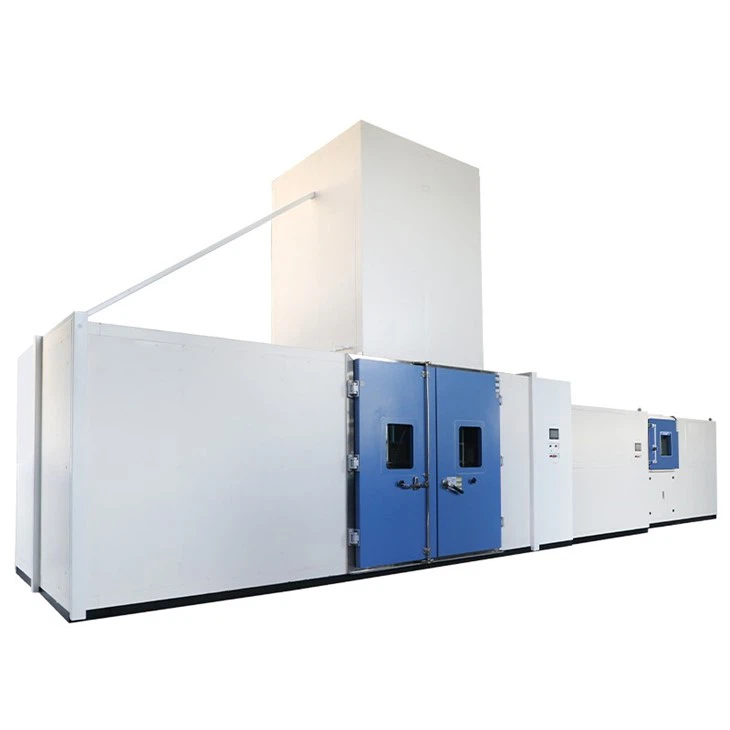
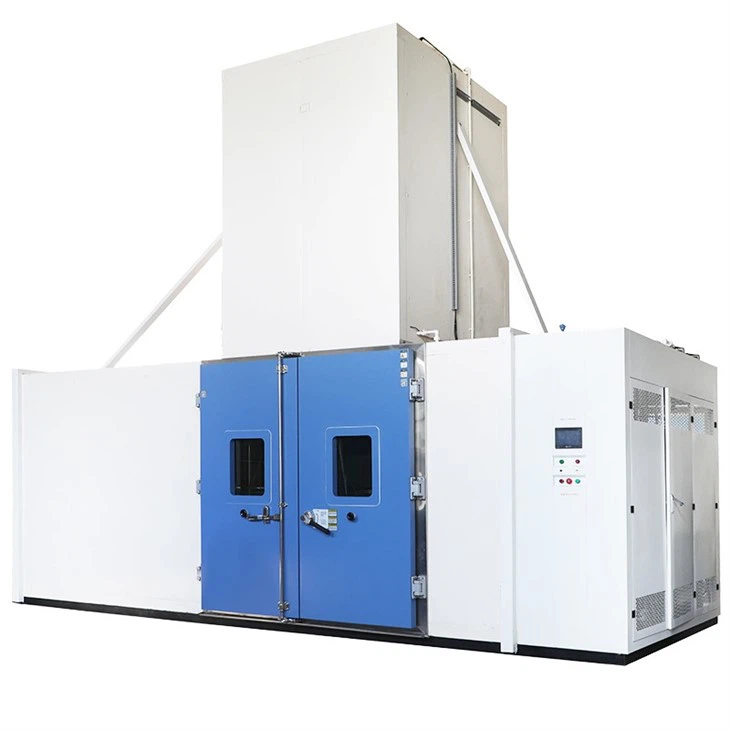
In conclusion, stainless steel is, in my opinion, a great material for a water spray chamber. Its corrosion resistance, durability, and ease of cleaning make it a top choice for ensuring accurate and reliable testing. If you're in the market for a water spray chamber, I highly recommend considering one made of stainless steel.
If you're interested in our products or want to discuss your specific testing needs, don't hesitate to reach out. We're here to help you make the best decision for your business.
References
- ASM Handbook Committee. (2004). ASM Handbook: Volume 13A: Corrosion: Fundamentals, Testing, and Protection. ASM International.
- ISO 20653:2013. Road vehicles -- Degrees of protection (IP code) of electrical equipment against foreign objects, water, and access. International Organization for Standardization.


