



As a supplier of Cryogenic Test Chambers, I often get asked about the power requirements for these specialized pieces of equipment. It's a crucial question because getting the power setup right is essential for the proper functioning and efficiency of the chamber.
Understanding the Basics of Cryogenic Test Chambers
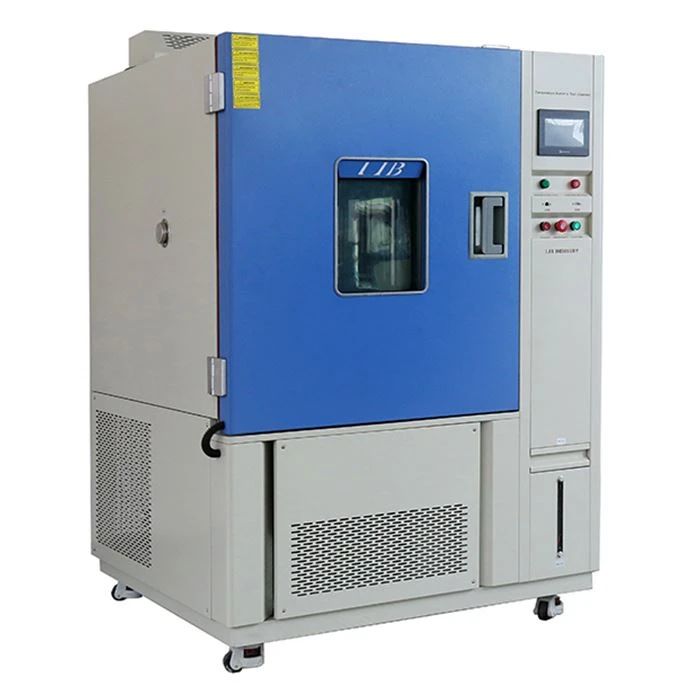
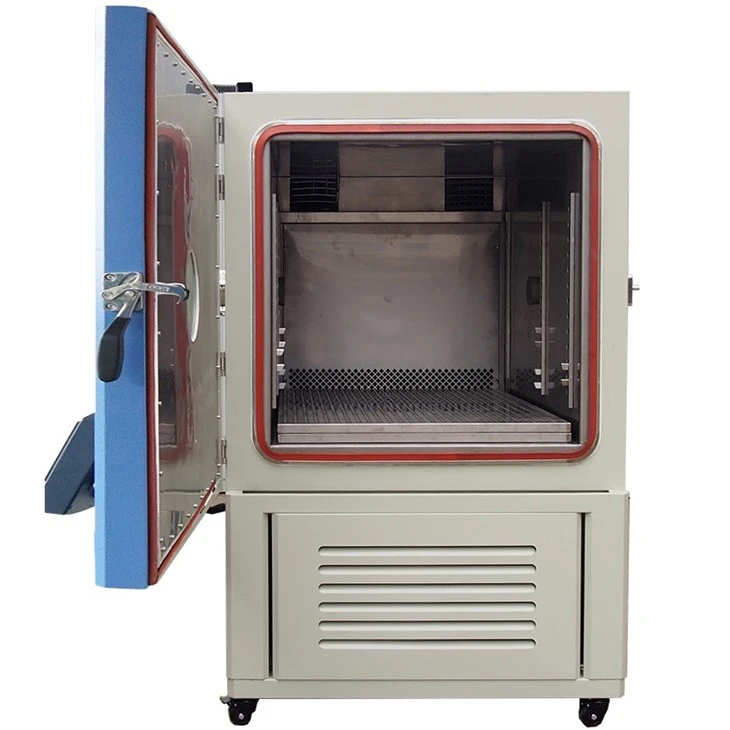
First, let's quickly go over what a cryogenic test chamber is. These chambers are designed to simulate extremely low - temperature environments for various testing purposes. They're used in industries like aerospace, automotive, electronics, and materials science to test how products and materials perform under frigid conditions. Whether it's testing the durability of a satellite component in space - like cold or the performance of a battery in winter temperatures, cryogenic test chambers are the go - to solution.
Factors Affecting Power Requirements
Chamber Size
One of the most significant factors influencing power requirements is the size of the chamber. Larger chambers need more power to cool and maintain the desired low temperature. Think about it; a bigger space has more volume of air and materials to cool down. For example, a small benchtop cryogenic test chamber might have a relatively modest power draw, maybe around a few kilowatts. On the other hand, large walk - in chambers can require tens or even hundreds of kilowatts to operate effectively.
Cooling Capacity
The cooling capacity of the chamber also plays a huge role. Higher cooling capacities mean more power is needed. Chambers that can reach extremely low temperatures, like down to - 150°C or even lower, typically have more powerful cooling systems. These systems use advanced refrigeration technologies, such as cascade refrigeration or liquid nitrogen cooling. Both of these methods demand a substantial amount of power to work. For instance, a liquid nitrogen - based cooling system not only needs power to control the flow and distribution of the liquid nitrogen but also to maintain the proper pressure and temperature within the system.
Insulation
Good insulation is key to reducing power consumption. A well - insulated chamber will lose less heat, which means the cooling system doesn't have to work as hard to maintain the low temperature. Chambers with high - quality insulation materials, like polyurethane foam or vacuum - insulated panels, can significantly cut down on power usage. In contrast, a poorly insulated chamber will constantly leak heat, forcing the cooling system to run continuously at high power to keep the temperature stable.
Additional Features
Many cryogenic test chambers come with additional features that can affect power requirements. For example, some chambers have built - in humidity control systems. These systems add an extra load on the power supply as they need to heat or cool water to achieve the desired humidity level. Other features like lighting, fans for air circulation, and data logging equipment also contribute to the overall power consumption.
Calculating Power Requirements
Calculating the exact power requirements for a cryogenic test chamber can be a bit tricky. It usually involves a combination of theoretical calculations and real - world testing. Manufacturers often provide an estimated power rating for their chambers based on standard operating conditions. However, in practice, the actual power consumption can vary depending on factors like ambient temperature, the frequency of door openings, and the type of load being tested.
A rough way to estimate power requirements is to consider the cooling capacity in terms of kilowatts. For example, if a chamber has a cooling capacity of 5 kW, it will likely draw around that amount of power under normal operating conditions. But remember, this is just a starting point. You also need to factor in the power used by other components, like the control system, fans, and any additional features.
Power Supply Considerations
When setting up a cryogenic test chamber, you need to ensure that your power supply can handle the load. Most chambers require a three - phase power supply, especially the larger ones. This is because three - phase power can deliver more power more efficiently than single - phase power. You'll also need to make sure that the electrical wiring in your facility can handle the current draw. Overloading the electrical system can lead to power outages, equipment damage, and even safety hazards.
It's also a good idea to have a backup power source, such as a generator. In case of a power outage, a backup generator can keep the chamber running, preventing any damage to the samples being tested. This is especially important for long - term tests that can't afford to be interrupted.
Comparing with Other Types of Test Chambers
If you're in the market for a test chamber, you might also be considering other types, such as Temperature Humidity Pressure Chamber. These chambers are designed to simulate a combination of temperature, humidity, and pressure conditions. While they have their own power requirements, cryogenic test chambers generally have higher power demands due to the extreme cold they need to achieve.
Another option is the Cold Environmental Temperature Chamber For PCB Testing. These chambers are specifically designed for testing printed circuit boards (PCBs) in cold environments. They may have smaller power requirements compared to large - scale cryogenic test chambers, but the principles of power consumption are similar.
The Alternative Humidity And Temperature Control Cabinet is yet another type of test chamber. It focuses on controlling humidity and temperature, and its power requirements will depend on the size and features of the cabinet.
Energy - Saving Tips
As a supplier, I'm always looking for ways to help my customers reduce their power consumption and save on energy costs. Here are some tips:
- Proper Sizing: Make sure you choose a chamber that's the right size for your testing needs. A chamber that's too big will waste power, while a chamber that's too small may not be able to meet your requirements.
- Regular Maintenance: Keep the chamber well - maintained. Clean the filters, check the insulation, and ensure that the cooling system is working properly. A well - maintained chamber will operate more efficiently and use less power.
- Optimal Settings: Set the temperature and humidity levels as close to your actual testing needs as possible. Avoid setting the chamber to extremely low temperatures or high humidity levels if it's not necessary.
Contact for Purchase and Consultation
If you're in the market for a cryogenic test chamber or have any questions about power requirements, I'd love to hear from you. Our team of experts can help you choose the right chamber for your needs, calculate the power requirements, and provide you with all the information you need to make an informed decision. Whether you're a small research lab or a large manufacturing facility, we've got the solutions for you.
References
- [1] Smith, J. "Advanced Cryogenic Testing Technologies." Journal of Testing and Evaluation, 2018.
- [2] Johnson, A. "Power Management in Industrial Test Chambers." Industrial Engineering Magazine, 2020.
- [3] Brown, C. "Energy - Efficient Design of Cryogenic Test Facilities." Proceedings of the International Conference on Energy Efficiency, 2019.


