


Can a Conditioning Chamber be used for microbial growth testing?
As a supplier of conditioning chambers, I often receive inquiries from various industries about the versatility and applicability of our equipment. One question that has come up more frequently is whether a conditioning chamber can be used for microbial growth testing. In this blog post, I will explore this topic in detail, delving into the scientific rationale, the capabilities of conditioning chambers, and the potential benefits and limitations for microbial growth testing.
Understanding Microbial Growth Requirements
Microorganisms, such as bacteria, fungi, and yeast, have specific environmental requirements for optimal growth. These requirements typically include a suitable temperature range, humidity level, and sometimes specific gas concentrations. For example, many bacteria thrive at temperatures between 20°C and 40°C, while fungi often prefer slightly cooler temperatures and higher humidity levels.
The ability to control these environmental factors is crucial for microbial growth testing. In a laboratory setting, researchers need to create a stable and reproducible environment that mimics the conditions in which the microorganisms would naturally grow. This allows them to accurately study the growth rate, behavior, and response of the microorganisms to different stimuli.
The Capabilities of Conditioning Chambers
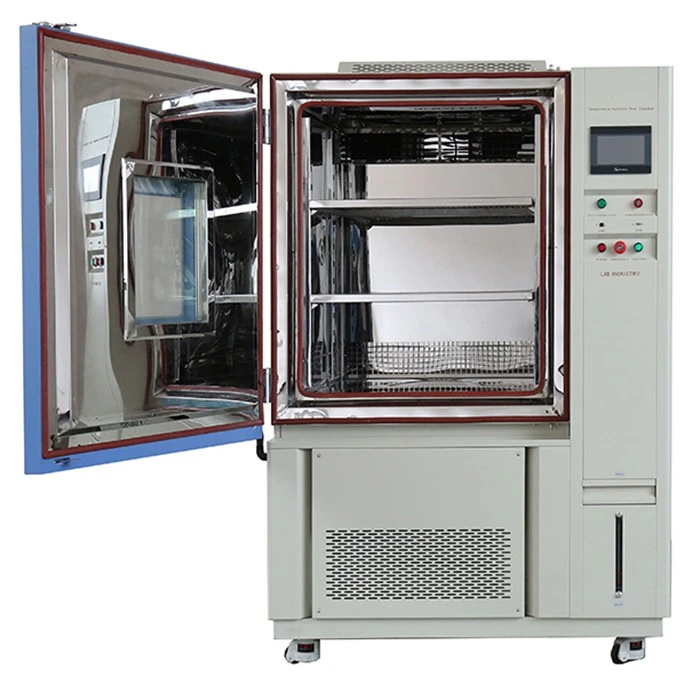
Conditioning chambers, also known as environmental test chambers, are designed to provide precise control over temperature, humidity, and other environmental parameters. These chambers are equipped with advanced sensors and control systems that can maintain a stable environment within a narrow range of setpoints.
Most conditioning chambers can achieve temperature control from -40°C to 120°C, with humidity control ranging from 10% to 98% relative humidity. Some chambers are also capable of simulating other environmental conditions, such as altitude, vibration, and light exposure.
The precise control offered by conditioning chambers makes them an ideal tool for creating the specific environmental conditions required for microbial growth testing. By adjusting the temperature and humidity settings, researchers can create a customized environment that promotes the growth of the microorganisms being studied.
Benefits of Using a Conditioning Chamber for Microbial Growth Testing
- Precise Control: As mentioned earlier, conditioning chambers offer precise control over temperature and humidity, which is essential for accurate microbial growth testing. This allows researchers to create reproducible experimental conditions, ensuring the reliability and validity of their results.
- Versatility: Conditioning chambers can be used to test a wide range of microorganisms, including bacteria, fungi, and yeast. They can also be used to study the effects of different environmental factors on microbial growth, such as temperature, humidity, and gas concentrations.
- Automation: Many conditioning chambers are equipped with automated control systems that can monitor and adjust the environmental parameters in real-time. This reduces the need for manual intervention, saving time and labor costs.
- Safety: Conditioning chambers are designed to provide a safe and controlled environment for microbial growth testing. They are typically equipped with features such as over-temperature protection, humidity sensors, and air filters to prevent the growth of contaminants and ensure the safety of the researchers.
Limitations of Using a Conditioning Chamber for Microbial Growth Testing
- Cost: Conditioning chambers can be expensive to purchase and maintain, especially if they require advanced features such as high-precision temperature and humidity control, gas mixing capabilities, or vibration simulation.
- Space Requirements: Conditioning chambers can be large and bulky, requiring a significant amount of space in the laboratory. This can be a challenge for smaller research facilities or laboratories with limited space.
- Contamination Risk: Although conditioning chambers are designed to prevent the growth of contaminants, there is still a risk of contamination if the chamber is not properly cleaned and maintained. This can affect the accuracy of the microbial growth testing results.
- Limited Sample Size: The size of the conditioning chamber may limit the number of samples that can be tested at one time. This can be a challenge for large-scale studies or studies that require a large number of replicates.
Examples of Conditioning Chambers for Microbial Growth Testing
- IEC 61464 Photovoltaic Panel Damp Heat Test Chamber: This chamber is specifically designed for the damp heat testing of photovoltaic panels. However, it can also be used for microbial growth testing by adjusting the temperature and humidity settings to create a suitable environment for the microorganisms.
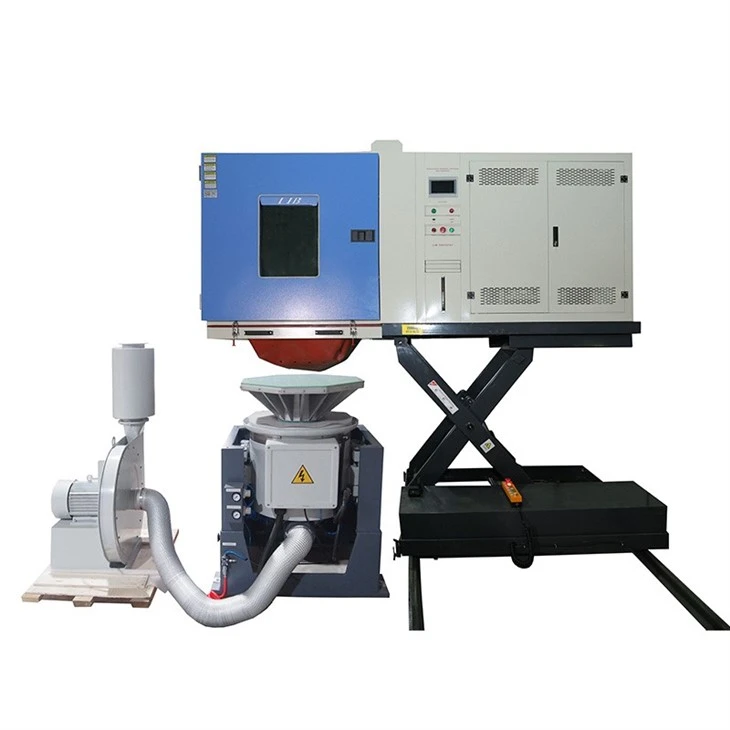
- Temperature Humidity Vibration Test Chamber: This chamber combines temperature, humidity, and vibration control, making it suitable for a wide range of environmental testing applications, including microbial growth testing.
- Alternative Humidity And Temperature Control Cabinet: This cabinet offers precise control over temperature and humidity, making it a cost-effective option for microbial growth testing in smaller laboratories or research facilities.
Conclusion
In conclusion, a conditioning chamber can be used for microbial growth testing, provided that it offers precise control over temperature, humidity, and other environmental parameters. The benefits of using a conditioning chamber for microbial growth testing include precise control, versatility, automation, and safety. However, there are also some limitations, such as cost, space requirements, contamination risk, and limited sample size.
If you are considering using a conditioning chamber for microbial growth testing, it is important to carefully evaluate your specific requirements and choose a chamber that meets your needs. Our company offers a wide range of conditioning chambers that are suitable for microbial growth testing, and we would be happy to help you select the right chamber for your application.
If you have any questions or would like to discuss your requirements further, please do not hesitate to contact us. We look forward to the opportunity to work with you and help you achieve your research goals.
References
- Atlas, R. M., & Bartha, R. (1998). Microbial Ecology: Fundamentals and Applications. Benjamin Cummings.
- Madigan, M. T., Martinko, J. M., Dunlap, P. V., & Clark, D. P. (2012). Brock Biology of Microorganisms. Pearson.
- Pelczar, M. J., Chan, E. C. S., & Krieg, N. R. (1993). Microbiology: Concepts and Applications. McGraw-Hill.


