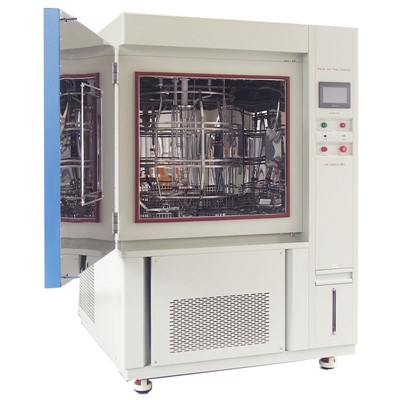


Hey there! As a supplier of Ozone Resistance Test Chambers, I often get asked if these chambers can be used for testing medical devices. Well, let's dive right into this topic and find out.
First off, what exactly is an Ozone Resistance Test Chamber? It's a specialized piece of equipment designed to simulate an environment with a controlled amount of ozone. Ozone is a highly reactive gas that can cause materials to degrade over time. In industries like rubber manufacturing, these chambers are commonly used to test how well rubber products can withstand ozone exposure. For instance, if you're making rubber seals for cars, you'd want to know how long they'll last when exposed to ozone in the real world. That's where our Rubber Ozone Aging Test Chamber comes in handy.
Now, when it comes to medical devices, the situation gets a bit more complex. Medical devices are subject to strict regulations and standards to ensure their safety and effectiveness. The materials used in medical devices need to be biocompatible, meaning they don't cause any adverse reactions when in contact with the human body. But does that mean they're immune to ozone degradation? Not necessarily.
Let's think about the different types of medical devices out there. There are implantable devices like pacemakers, which are designed to be inside the human body for long periods. Then there are external devices like blood pressure monitors and infusion pumps. Each type of device is made from different materials, and these materials can react differently to ozone.
For example, some medical devices may use plastics or elastomers. Just like rubber in the automotive industry, these plastics and elastomers can be affected by ozone. Ozone can cause cracking, discoloration, and a loss of mechanical properties in these materials. This can be a big problem for medical devices, as it can affect their performance and safety.
So, can an Ozone Resistance Test Chamber be used for testing medical devices? The answer is yes, but with some important considerations.
One of the main considerations is the regulatory environment. Medical devices are regulated by agencies like the FDA in the United States and the European Union's Medical Device Regulation (MDR). These regulations have specific requirements for testing and validation. When using an Ozone Resistance Test Chamber to test medical devices, it's crucial to ensure that the testing methods and conditions comply with these regulations.
Another consideration is the accuracy of the test results. The conditions inside an Ozone Resistance Test Chamber need to accurately mimic the real-world conditions that the medical device will be exposed to. This includes factors like ozone concentration, temperature, and humidity. If the test conditions are too harsh or too mild, the test results may not accurately reflect how the device will perform in the real world.
Let's take a closer look at how an Ozone Resistance Test Chamber can be used in the testing process for medical devices.
First, the device manufacturer needs to identify the materials used in the device and their potential exposure to ozone. This could be during storage, transportation, or use. Once the materials and exposure scenarios are identified, the appropriate test conditions can be set up in the chamber.
For example, if a medical device is expected to be stored in a warehouse with a certain level of ozone, the chamber can be set to mimic that ozone concentration. The device can then be placed in the chamber for a specified period of time, and its performance can be monitored. This could include visual inspections for any signs of degradation, as well as functional tests to ensure the device is still working properly.
In addition to testing the materials directly, an Ozone Resistance Test Chamber can also be used to test the packaging of medical devices. Packaging plays an important role in protecting the device from environmental factors, including ozone. By testing the packaging in the chamber, manufacturers can ensure that it provides adequate protection for the device.
Now, let's talk about some of the benefits of using an Ozone Resistance Test Chamber for testing medical devices.
One of the main benefits is that it allows manufacturers to identify potential problems early in the development process. By testing the materials and devices before they go to market, manufacturers can make any necessary changes to improve their performance and safety. This can save time and money in the long run, as it reduces the risk of product recalls and regulatory issues.
Another benefit is that it provides objective data on the performance of the medical device. The test results from an Ozone Resistance Test Chamber can be used to support regulatory submissions and to demonstrate the device's compliance with standards. This can give manufacturers and regulators more confidence in the safety and effectiveness of the device.
But it's not all smooth sailing. There are also some challenges associated with using an Ozone Resistance Test Chamber for testing medical devices.
One of the challenges is the cost. Ozone Resistance Test Chambers can be expensive to purchase and operate. The cost includes not only the initial purchase price of the chamber but also the cost of maintenance, calibration, and the ozone gas itself. For small medical device manufacturers, this can be a significant investment.
Another challenge is the complexity of the testing process. As mentioned earlier, the test conditions need to be carefully controlled to ensure accurate results. This requires trained personnel and a good understanding of the regulatory requirements. If the testing process is not properly managed, it can lead to inaccurate results and wasted time and resources.
Despite these challenges, the use of an Ozone Resistance Test Chamber for testing medical devices is becoming more common. As the demand for high-quality and safe medical devices continues to grow, manufacturers are looking for ways to ensure the reliability of their products. And an Ozone Resistance Test Chamber can be a valuable tool in achieving this goal.
In addition to Ozone Resistance Test Chambers, there are other types of test chambers that can be used in the testing of medical devices. For example, our Ozone Climatic Chamber can simulate not only ozone exposure but also other environmental factors like temperature and humidity. This can provide a more comprehensive test of the device's performance under different conditions.
Another option is our Mixed Gas Corrosion Chamber. This chamber can be used to test the corrosion resistance of medical devices, which is another important factor in their performance and safety.
In conclusion, an Ozone Resistance Test Chamber can be a valuable tool for testing medical devices. It allows manufacturers to identify potential problems early, ensure compliance with regulations, and provide objective data on the performance of their products. However, it's important to consider the regulatory requirements, the accuracy of the test results, and the cost and complexity of the testing process.
If you're a medical device manufacturer looking for a reliable way to test your products, we'd love to hear from you. Our team of experts can help you determine the best testing solutions for your specific needs. Whether it's an Ozone Resistance Test Chamber, an Ozone Climatic Chamber, or a Mixed Gas Corrosion Chamber, we have the equipment and expertise to support you. Contact us today to start a discussion about your testing requirements and how we can help you ensure the safety and effectiveness of your medical devices.
References


- U.S. Food and Drug Administration. (n.d.). Medical Device Regulations.
- European Union. (n.d.). Medical Device Regulation (MDR).