


As a seasoned supplier of dust chambers, I've received numerous inquiries about the lifespan of the dust - generating device within these chambers. This topic is of utmost importance to our clients, as the efficiency and longevity of the dust - generating device directly impact the performance and cost - effectiveness of the entire dust chamber.
Understanding the Dust - Generating Device
Before delving into its lifespan, it's essential to understand what a dust - generating device in a dust chamber does. The primary function of this device is to create a controlled environment filled with dust particles. This environment is crucial for conducting various tests, such as those to evaluate the dust - resistance of electronic components, automotive parts, and industrial equipment.
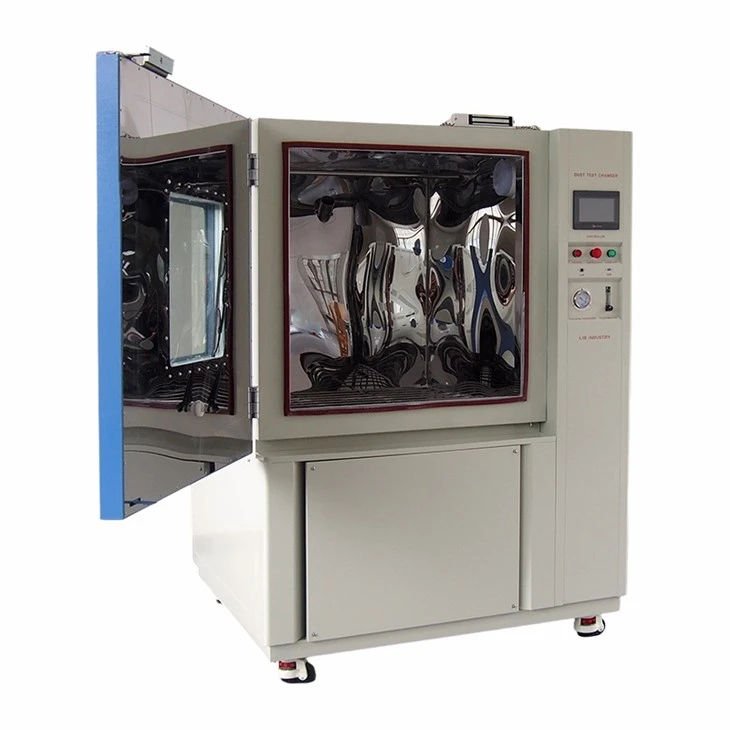
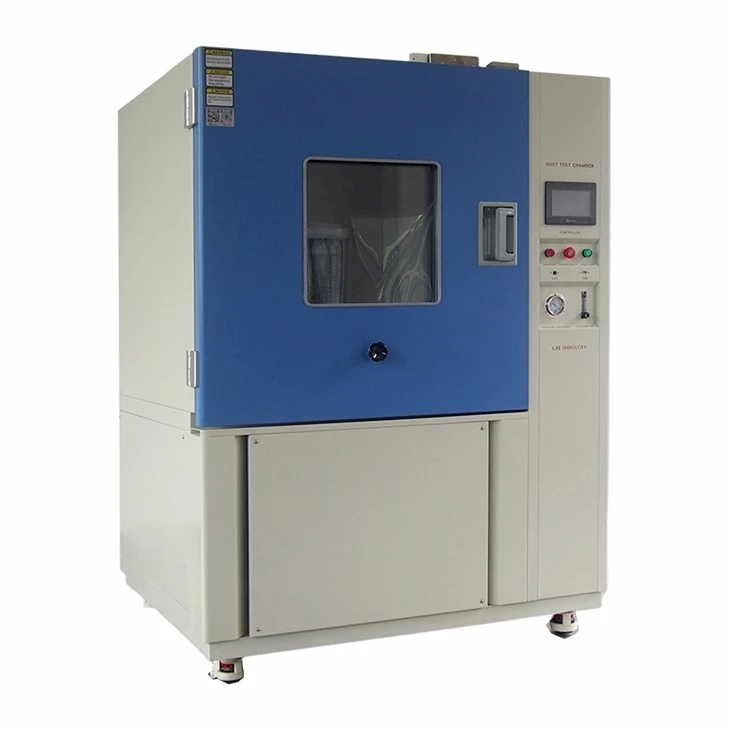
The dust - generating device typically consists of a dust reservoir, a mechanism to disperse the dust, and sometimes a control system to regulate the dust concentration. Different types of dust chambers, like the Dust Ingress Test Chamber, IP6X Dust Resistant Chamber, and Sand and Dust Test Chamber, may have slightly different dust - generating mechanisms, but their core purpose remains the same.
Factors Affecting the Lifespan
1. Quality of Construction
The quality of materials and workmanship used in the construction of the dust - generating device plays a significant role in determining its lifespan. High - quality components are more durable and less prone to wear and tear. For example, a dust - generating device made with corrosion - resistant metals and precision - engineered parts will generally last longer than one made with inferior materials. At our company, we invest in top - notch materials and state - of - the - art manufacturing processes to ensure the longevity of our dust - generating devices.
2. Frequency of Use
The more frequently the dust chamber is used, the shorter the lifespan of the dust - generating device is likely to be. Continuous operation can cause mechanical parts to wear out faster, and the constant exposure to dust can also lead to clogging and other issues. If a dust chamber is used for multiple tests every day, the dust - generating device may need to be replaced or serviced more frequently compared to one that is used only occasionally.
3. Type of Dust Used
The type of dust used in the chamber can also impact the lifespan of the dust - generating device. Some types of dust, such as abrasive sands, can be more damaging to the device's components than fine, powdery dusts. Abrasive dust can cause erosion of the internal parts of the dust - generating mechanism, leading to reduced efficiency and eventual failure. It's important for users to choose the appropriate type of dust for their specific testing requirements and to ensure that the dust - generating device is compatible with it.
4. Maintenance and Care
Proper maintenance and care are crucial for extending the lifespan of the dust - generating device. Regular cleaning of the dust reservoir and the dispersal mechanism can prevent dust buildup, which can otherwise cause blockages and malfunctions. Additionally, lubricating moving parts and checking for loose connections can help keep the device in good working condition. We provide our clients with detailed maintenance guides to ensure that they can take the best care of their dust chambers.
Typical Lifespan Estimates
Based on our experience and customer feedback, the lifespan of a dust - generating device in a dust chamber can vary widely. In general, a well - maintained dust - generating device in a moderately used dust chamber can last anywhere from 5 to 10 years. However, if the chamber is used intensively or if the device is exposed to harsh conditions, its lifespan may be reduced to 2 - 5 years.
For example, in a laboratory where the dust chamber is used several times a week for standard dust - ingress tests using fine dust, the dust - generating device can typically last around 7 - 8 years with proper maintenance. On the other hand, in an industrial setting where the chamber is used daily for abrasive sand testing, the device may need to be replaced after 3 - 4 years.
Extending the Lifespan
To help our clients get the most out of their dust - generating devices, we recommend the following steps:
1. Follow the Manufacturer's Guidelines
We provide detailed instructions on how to operate and maintain the dust chamber and its dust - generating device. Following these guidelines precisely can significantly extend the device's lifespan. This includes using the correct type and amount of dust, setting the appropriate operating parameters, and performing regular maintenance tasks.
2. Schedule Regular Inspections
Regular inspections by a qualified technician can help identify potential problems early on. These inspections can detect signs of wear and tear, such as loose parts or worn - out components, and allow for timely repairs or replacements. We offer inspection services to our clients to ensure that their dust chambers are in optimal condition.
3. Upgrade When Necessary
As technology advances, newer models of dust - generating devices may offer improved performance and durability. If your dust - generating device is approaching the end of its expected lifespan or if it is no longer meeting your testing requirements, consider upgrading to a newer model. We can provide guidance on the best upgrade options for your specific needs.
Conclusion
The lifespan of the dust - generating device in a dust chamber is influenced by several factors, including the quality of construction, frequency of use, type of dust used, and maintenance. By understanding these factors and taking appropriate measures to care for the device, users can maximize its lifespan and ensure the long - term performance of their dust chambers.
If you're in the market for a new dust chamber or need to replace or upgrade your existing dust - generating device, we're here to help. Our team of experts can provide you with the best solutions tailored to your specific testing requirements. Contact us today to start a discussion about your needs and to explore our range of high - quality dust chambers, including the Dust Ingress Test Chamber, IP6X Dust Resistant Chamber, and Sand and Dust Test Chamber.
References
- Industry standards for dust chamber testing
- Internal company records of dust - generating device performance and maintenance
- Customer feedback and case studies on dust chamber usage and device lifespan


