


What are the shock resistance requirements for a PV Module Test Chamber?
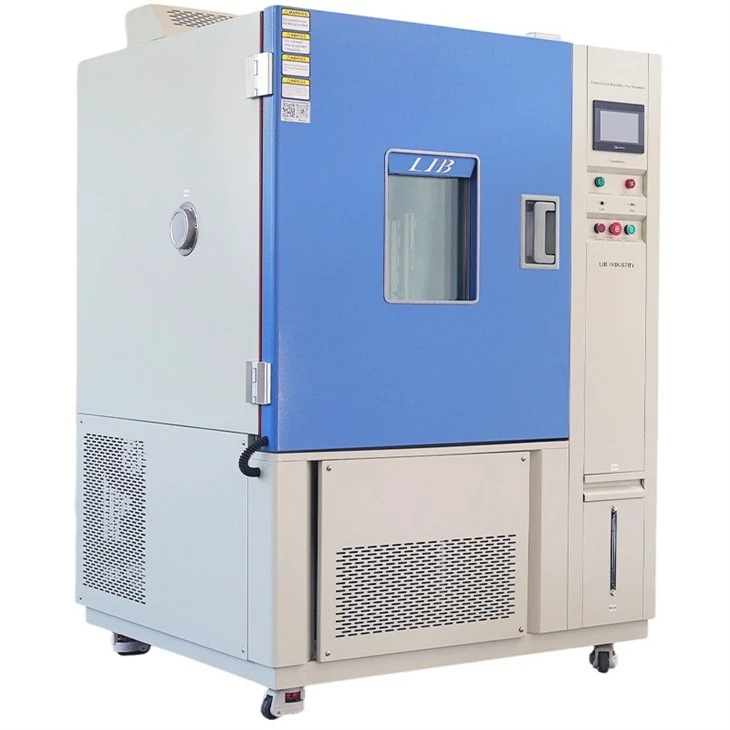
As a supplier of PV Module Test Chambers, I understand the critical importance of shock resistance in these specialized pieces of equipment. A PV (Photovoltaic) Module Test Chamber is designed to simulate various environmental conditions that solar panels might encounter during their lifespan, including temperature, humidity, and sometimes even shock and vibration. Ensuring the chamber can withstand shock not only protects the equipment itself but also the accuracy and reliability of the tests being conducted.
The Importance of Shock Resistance in PV Module Test Chambers
The primary purpose of a PV Module Test Chamber is to provide a controlled environment for testing photovoltaic modules. These tests are crucial for determining the performance and durability of solar panels under different real - world conditions. Shock can occur in several ways during the operation of the chamber. For example, during transportation, the chamber may be subjected to sudden jolts and impacts. Even within a testing facility, there could be accidental collisions, or the normal operation of other equipment nearby might cause vibrations and shocks.
If a PV Module Test Chamber lacks sufficient shock resistance, it can lead to several problems. Firstly, the internal components of the chamber, such as sensors, heating and cooling elements, and electrical circuits, may be damaged. This can result in inaccurate test results, as the sensors may no longer provide reliable data on temperature, humidity, or other parameters. Secondly, the structural integrity of the chamber may be compromised. A cracked or damaged chamber can lead to air leaks, which can affect the ability to maintain the desired environmental conditions inside.
Shock Resistance Requirements
Structural Design
The structural design of a PV Module Test Chamber plays a vital role in its shock resistance. The chamber should be constructed with a robust frame that can absorb and distribute shock energy. High - strength materials such as steel or aluminum alloys are commonly used for the frame. The walls of the chamber should also be thick enough to withstand impacts. For example, a double - walled construction can provide better shock absorption compared to a single - walled design. The inner wall can be made of a material that is resistant to corrosion and temperature changes, while the outer wall provides additional protection against physical damage.
Mounting and Isolation
Proper mounting and isolation techniques are essential for reducing the transfer of shock to the internal components of the chamber. The chamber should be mounted on shock - absorbing feet or pads. These can be made of rubber or other elastic materials that can dampen vibrations and shocks. In addition, the internal components, such as the heating and cooling systems, should be isolated from the main chamber structure using flexible mounts. This helps to prevent the propagation of shock waves throughout the chamber.
Sensor Protection
The sensors in a PV Module Test Chamber are among the most sensitive components and are critical for accurate testing. They need to be protected from shock to ensure their reliability. Sensors can be enclosed in shock - resistant casings and mounted in a way that minimizes their exposure to direct impacts. For example, they can be placed in a protected area within the chamber or shielded by other components.
Testing Shock Resistance
To ensure that a PV Module Test Chamber meets the required shock resistance standards, it should undergo rigorous testing. There are several methods for testing shock resistance. One common method is the drop test, where the chamber is dropped from a specified height onto a rigid surface. The impact forces are measured, and the chamber is inspected for any signs of damage. Another method is the vibration test, where the chamber is subjected to controlled vibrations of different frequencies and amplitudes. This simulates the vibrations that the chamber may experience during transportation or normal operation in a testing facility.
For more comprehensive testing solutions, you can explore our Vibration Climatic Test Chamber. It combines the capabilities of vibration testing with climatic control, allowing for more accurate simulation of real - world conditions.
Other Related Chambers and Their Role
In addition to shock resistance, PV module testing may require other environmental conditions to be simulated. Our Temperature Humidity Stability Chamber is designed to provide a stable temperature and humidity environment for long - term testing of PV modules. It can maintain precise temperature and humidity levels, ensuring the accuracy of the tests.
For extreme temperature testing, our Cryogenic Test Chamber can simulate very low temperatures, similar to those in cold regions. This helps to evaluate the performance of PV modules under harsh winter conditions.
Why Choose Our PV Module Test Chambers
Our PV Module Test Chambers are designed and manufactured with the highest standards of shock resistance in mind. We use high - quality materials and advanced manufacturing techniques to ensure the durability and reliability of our chambers. Our team of engineers has extensive experience in the field of environmental testing equipment and can provide customized solutions to meet your specific testing requirements.
If you are involved in the development, production, or quality control of photovoltaic modules, having a reliable PV Module Test Chamber is essential. Our chambers can help you ensure the performance and durability of your solar panels, saving you time and money in the long run.

Conclusion
Shock resistance is a crucial factor in the design and operation of PV Module Test Chambers. By meeting the shock resistance requirements, we can ensure the accuracy of test results, the longevity of the equipment, and the overall reliability of the testing process. Whether you are looking for a standard chamber or a customized solution, we are here to help.
If you are interested in learning more about our PV Module Test Chambers or are considering a purchase, please feel free to contact us for a detailed discussion. We are committed to providing you with the best products and services to meet your testing needs.
References
- International Electrotechnical Commission (IEC) standards related to photovoltaic module testing.
- ASTM (American Society for Testing and Materials) standards for environmental testing equipment.
- Technical literature on shock and vibration isolation in industrial equipment.


