


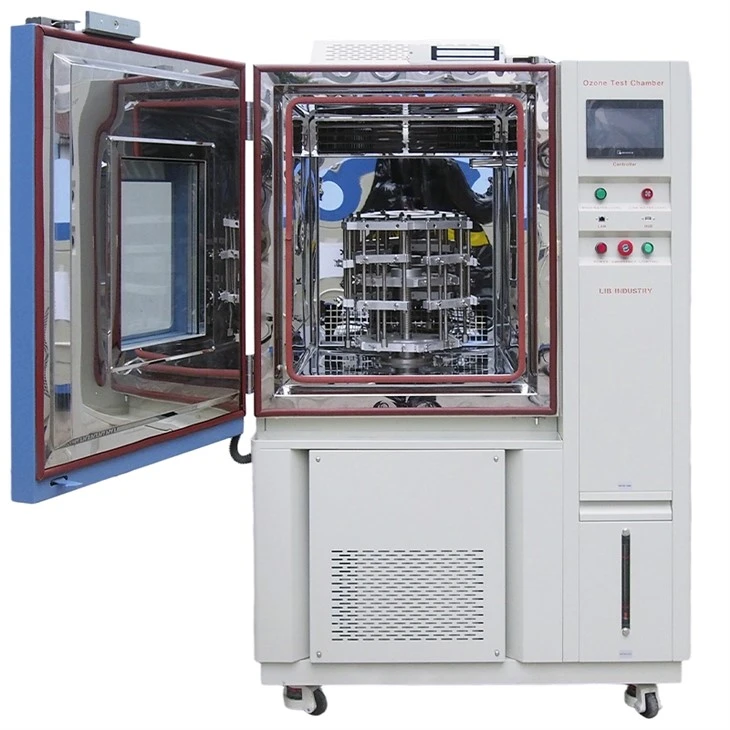
Hey there! As a supplier of Ozone Resistance Test Chambers, I often get asked about the noise level of these chambers during operation. It's a valid concern, especially if you're planning to use the chamber in a workspace where noise could be a distraction or a safety issue. In this blog post, I'll dive into what affects the noise level of an Ozone Resistance Test Chamber, what you can expect in terms of decibels, and how to manage any noise-related challenges.
What Causes Noise in an Ozone Resistance Test Chamber?
First off, let's talk about what makes these chambers make noise. There are a few key components that contribute to the overall sound level:
- Compressor: The compressor is like the heart of the chamber, responsible for cooling and maintaining the right temperature. It's a mechanical device that uses pistons or scrolls to compress refrigerant gas, and this process can generate a fair amount of noise. Think of it as a mini-engine running inside the chamber.
- Fan: Fans are used to circulate the air inside the chamber, ensuring that the ozone and temperature are evenly distributed. The blades of the fan moving through the air create a whooshing sound, similar to the noise you'd hear from a household fan.
- Pumps: Some chambers use pumps to circulate ozone or other gases. These pumps can also produce noise, especially if they're working hard to maintain the right pressure.
Typical Noise Levels
So, how loud are these chambers? Well, it depends on the model and the specific components used. In general, you can expect an Ozone Resistance Test Chamber to produce noise levels between 50 and 70 decibels (dB) during normal operation. To put that in perspective:
- A quiet library typically has a noise level of around 40 dB.
- Normal conversation is usually around 60 dB.
- A vacuum cleaner can produce noise levels of up to 70 dB.
So, while an Ozone Resistance Test Chamber isn't exactly silent, it's not going to be as loud as a power tool or a jet engine. Most people find the noise level to be tolerable, especially if the chamber is located in a well-ventilated area or if they're wearing ear protection.
Factors That Affect Noise Levels
There are a few factors that can affect the noise level of an Ozone Resistance Test Chamber:
- Size: Larger chambers tend to be louder than smaller ones because they require more powerful components to operate.
- Age: As a chamber gets older, the components may start to wear out, which can increase the noise level. Regular maintenance can help keep the noise level in check.
- Location: The location of the chamber can also affect the noise level. If it's placed on a hard surface or against a wall, the noise may be amplified. Placing the chamber on a rubber mat or in a soundproof enclosure can help reduce the noise.
Managing Noise
If the noise level of an Ozone Resistance Test Chamber is a concern for you, there are a few things you can do to manage it:
- Choose the Right Location: Place the chamber in a well-ventilated area away from workstations or other areas where people are likely to be. This will help minimize the impact of the noise on your employees.
- Use Soundproofing Materials: If the chamber is located in a shared space, you can use soundproofing materials such as acoustic panels or curtains to reduce the noise. These materials absorb the sound waves and prevent them from bouncing off the walls.
- Wear Ear Protection: If you need to be in close proximity to the chamber, wearing ear protection such as earplugs or earmuffs can help reduce the noise level.
Other Considerations
In addition to the noise level, there are a few other things to consider when choosing an Ozone Resistance Test Chamber:
- Ozone Concentration: Make sure the chamber can achieve and maintain the ozone concentration you need for your testing. Different applications may require different levels of ozone.
- Temperature and Humidity Control: The chamber should be able to control the temperature and humidity within a narrow range to ensure accurate testing results.
- Safety Features: Look for a chamber that has safety features such as over-temperature protection, ozone leakage detection, and emergency stop buttons.
Related Products
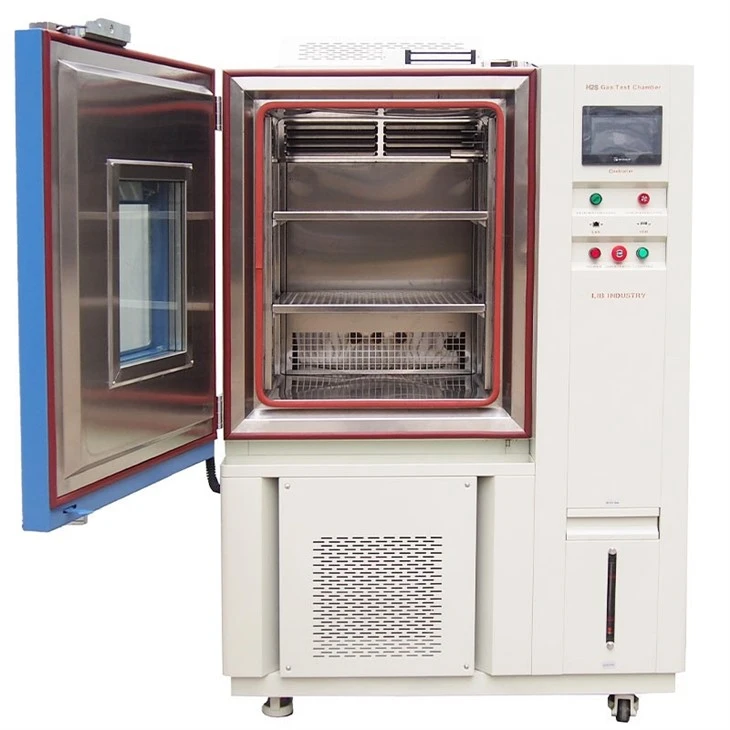
If you're in the market for other types of testing chambers, we also offer H₂S Corrosive Gas Test Chamber and Ozone Climatic Chamber. These chambers are designed to simulate different environmental conditions and can be used for a variety of testing applications. We also have an Ozone Testing Device For Rubber Deterioration that can help you evaluate the ozone resistance of rubber materials.
Conclusion
In conclusion, the noise level of an Ozone Resistance Test Chamber is an important consideration, but it's not the only factor to keep in mind. By understanding what causes the noise, what to expect in terms of decibels, and how to manage it, you can make an informed decision when choosing a chamber for your testing needs. If you have any questions or need more information, feel free to reach out to us. We're here to help you find the right solution for your business.
If you're interested in purchasing an Ozone Resistance Test Chamber or any of our other products, don't hesitate to contact us. We'd be happy to discuss your requirements and provide you with a quote. Let's start a conversation and see how we can work together to meet your testing needs.
References
- "Industrial Noise Control and Acoustics" by Clarence E. Bies and Colin H. Hansen
- "Handbook of Noise Measurement" by GenRad, Inc.


