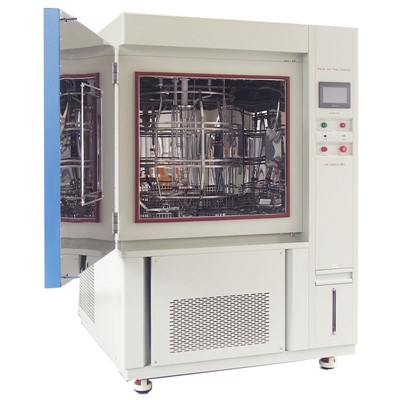


Insulation performance is a critical factor when evaluating the effectiveness of a Mini Temperature Chamber. As a supplier of these chambers, I understand the significance of insulation in maintaining stable and accurate temperature and humidity conditions within the chamber. In this blog, I will delve into the insulation performance of Mini Temperature Chambers, exploring its importance, the factors that influence it, and how our products excel in this aspect.
The Importance of Insulation in Mini Temperature Chambers
Insulation plays a pivotal role in the operation of a Mini Temperature Chamber. Its primary function is to minimize heat transfer between the interior and exterior of the chamber, ensuring that the set temperature and humidity levels are maintained consistently. This is crucial for a variety of applications, including product testing, research and development, and quality control.
In product testing, for example, accurate temperature and humidity control are essential to obtain reliable results. If the insulation is poor, the chamber may experience temperature fluctuations, which can lead to inaccurate test data and potentially compromise the integrity of the product being tested. Similarly, in research and development, precise environmental conditions are necessary to simulate real-world scenarios and study the behavior of materials and products under different conditions.
Moreover, good insulation also contributes to energy efficiency. By reducing heat transfer, the chamber requires less energy to maintain the desired temperature and humidity levels, resulting in lower operating costs and a smaller carbon footprint. This is not only beneficial for the environment but also for the bottom line of businesses that rely on these chambers for their operations.
Factors Affecting Insulation Performance
Several factors can influence the insulation performance of a Mini Temperature Chamber. Understanding these factors is essential for selecting a chamber that meets your specific requirements and ensuring optimal performance.
Insulation Material
The choice of insulation material is one of the most important factors affecting insulation performance. Different materials have different thermal conductivity values, which determine how well they can resist heat transfer. Common insulation materials used in Mini Temperature Chambers include polyurethane foam, glass wool, and rock wool.
Polyurethane foam is a popular choice due to its high insulation value, low density, and excellent moisture resistance. It is also easy to install and can be molded to fit the shape of the chamber. Glass wool and rock wool are also widely used, offering good insulation properties and fire resistance. However, they may require additional protection to prevent moisture absorption, which can reduce their insulation effectiveness.
Insulation Thickness
The thickness of the insulation layer also plays a significant role in insulation performance. Generally, the thicker the insulation, the better the insulation performance. However, increasing the insulation thickness also increases the size and weight of the chamber, which may not be suitable for all applications. Therefore, it is important to strike a balance between insulation thickness and chamber size to achieve the desired insulation performance without compromising on practicality.
Chamber Design
The design of the chamber can also affect its insulation performance. A well-designed chamber should minimize the number of seams and joints, as these areas are prone to heat leakage. It should also have a tight-fitting door and seals to prevent air infiltration. Additionally, the placement of heating and cooling elements within the chamber can also impact insulation performance. Proper placement can ensure uniform temperature distribution and reduce the risk of hot or cold spots.
Operating Conditions
The operating conditions of the chamber, such as the set temperature and humidity levels, ambient temperature, and airflow, can also affect insulation performance. Higher temperature differentials between the interior and exterior of the chamber require better insulation to maintain the desired temperature and humidity levels. Similarly, high humidity levels can increase the risk of moisture absorption by the insulation material, reducing its insulation effectiveness.
Our Mini Temperature Chambers: Exceptional Insulation Performance
At our company, we take pride in offering Mini Temperature Chambers with exceptional insulation performance. Our chambers are designed and manufactured using the latest technology and high-quality materials to ensure optimal performance and reliability.
High-Quality Insulation Material
We use only the best insulation materials in our chambers, including polyurethane foam with a high insulation value and excellent moisture resistance. Our insulation material is carefully selected and tested to ensure that it meets the highest standards of quality and performance.
Optimal Insulation Thickness
We carefully consider the insulation thickness based on the specific requirements of each chamber. Our engineers use advanced modeling and simulation techniques to determine the optimal insulation thickness that provides the best insulation performance without compromising on chamber size and weight.
Innovative Chamber Design
Our chambers are designed with a focus on minimizing heat leakage and ensuring uniform temperature distribution. We use a seamless construction technique to reduce the number of seams and joints, and our doors and seals are designed to provide a tight fit and prevent air infiltration. Additionally, our heating and cooling elements are strategically placed to ensure efficient heat transfer and uniform temperature distribution within the chamber.
Customized Solutions
We understand that different applications have different requirements, which is why we offer customized solutions to meet the specific needs of our customers. Whether you need a chamber with a specific temperature range, humidity control, or size, our team of experts can work with you to design and manufacture a chamber that meets your exact specifications.
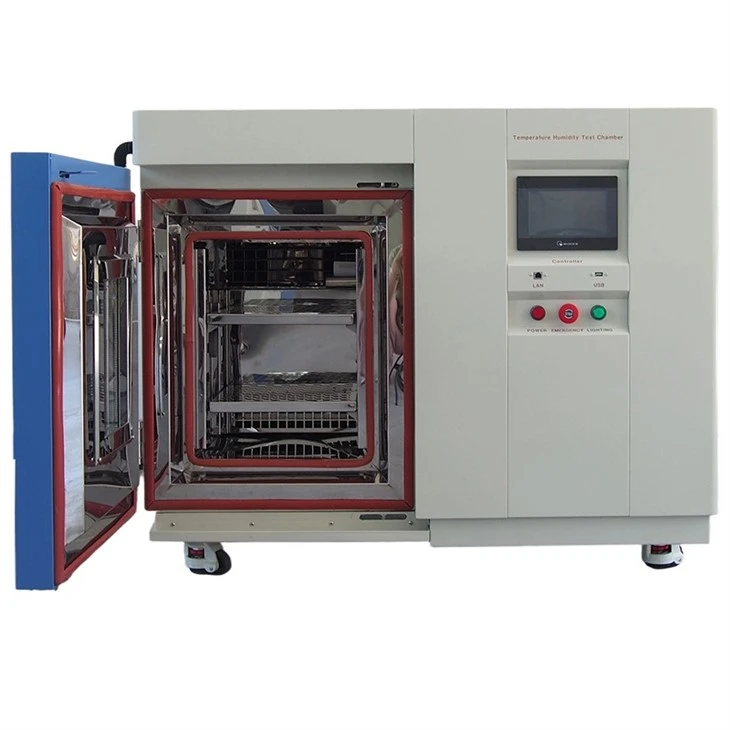

Our Product Range
In addition to our standard Mini Temperature Chambers, we also offer a range of related products that can enhance the functionality and performance of your testing environment. These products include:
- Benchtop Programmable Constant Temperature Humidity Testing Machine: This machine is designed for precise temperature and humidity control, making it ideal for a variety of testing applications.
- Portable Humidity Chamber: This chamber is lightweight and portable, making it easy to move between different locations. It is suitable for applications where space is limited or where mobility is required.
- Benchtop Temperature Humidity Aging Test Device: This device is specifically designed for aging tests, allowing you to simulate the effects of long-term exposure to different temperature and humidity conditions on materials and products.
Contact Us for Your Mini Temperature Chamber Needs
If you are in the market for a Mini Temperature Chamber with exceptional insulation performance, look no further. Our team of experts is ready to assist you in selecting the right chamber for your specific requirements. Whether you are a small business looking for a cost-effective solution or a large corporation in need of a high-performance chamber, we have the expertise and experience to meet your needs.
Contact us today to learn more about our Mini Temperature Chambers and how they can benefit your business. We look forward to working with you to provide you with the best possible solution for your testing needs.
References
- ASHRAE Handbook - Fundamentals. American Society of Heating, Refrigerating and Air-Conditioning Engineers, Inc.
- ISO 13970:2007 - Thermal insulation - Determination of steady-state thermal transmission properties - Guarded hot plate and heat flow meter methods. International Organization for Standardization.
- ASTM C168 - Standard Terminology Relating to Thermal Insulation. American Society for Testing and Materials.