


Can a walk-in environmental chamber be used for testing products in a rain environment? This is a question that often comes up among product developers and quality control professionals. As a supplier of walk-in environmental chambers, I'm here to shed light on this topic and explore the feasibility and benefits of using such chambers for rain environment testing.
Understanding Walk-In Environmental Chambers
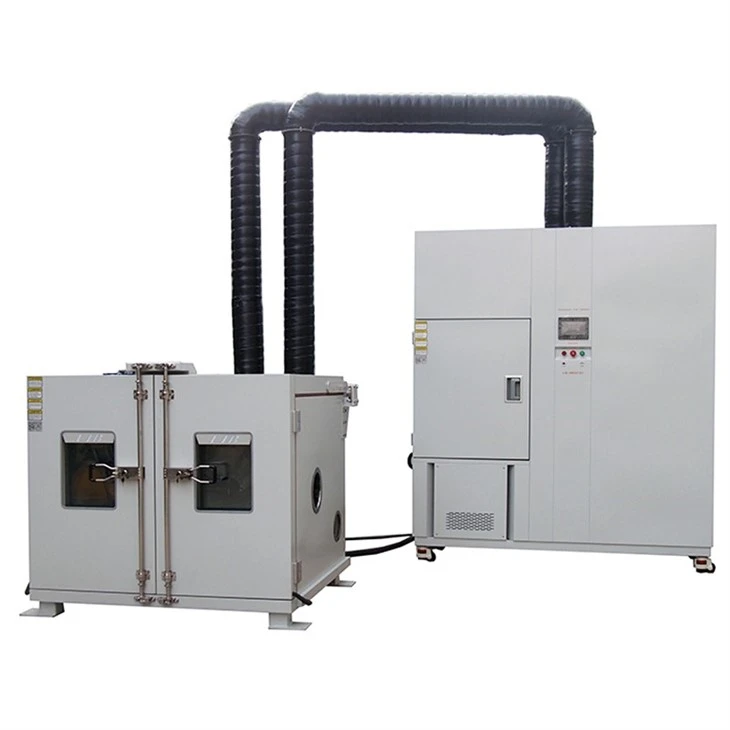
Walk-in environmental chambers are large, specialized enclosures designed to simulate a wide range of environmental conditions. These chambers can control temperature, humidity, light, and even air pressure, allowing manufacturers to test their products under various real-world scenarios. They are commonly used in industries such as automotive, aerospace, electronics, and consumer goods to ensure product reliability and performance.
The Control Temperature Environmental Testing Device is one of the key components of a walk-in environmental chamber. It enables precise regulation of temperature, which is crucial for accurate testing. Additionally, the Programmable Temperature And Climatic Test Chamber offers the flexibility to program complex test cycles, simulating different environmental conditions over time. The Conditioning Chamber further enhances the chamber's ability to create stable and controlled environments.

Testing Products in a Rain Environment
Rain is a common environmental factor that can significantly impact the performance and durability of products. For example, outdoor furniture needs to withstand constant exposure to rain to prevent rust and decay. Electronic devices must be protected from water ingress to avoid short circuits and malfunctions. Therefore, testing products in a rain environment is essential to ensure their quality and reliability.
A walk-in environmental chamber can be effectively used for rain environment testing. By integrating a water spray system into the chamber, it is possible to simulate different intensities and patterns of rainfall. The water spray system can be controlled to adjust the flow rate, droplet size, and spraying angle, allowing for a realistic simulation of various rain conditions.
Advantages of Using a Walk-In Environmental Chamber for Rain Testing
- Precise Control: Walk-in environmental chambers offer precise control over environmental conditions, including temperature, humidity, and rainfall intensity. This allows for accurate and repeatable testing, ensuring reliable results.
- Customization: These chambers can be customized to meet specific testing requirements. Manufacturers can program the chamber to simulate different rain scenarios, such as light drizzle, heavy downpour, or intermittent rain, depending on the intended use of the product.
- Safety: Testing products in a controlled environment eliminates the risks associated with outdoor testing, such as unpredictable weather conditions and potential damage to the testing equipment.
- Efficiency: Walk-in environmental chambers can significantly reduce the testing time compared to outdoor testing. Multiple products can be tested simultaneously, increasing the efficiency of the testing process.
Considerations for Rain Testing in a Walk-In Environmental Chamber
- Water Management: Proper water management is crucial to prevent water accumulation inside the chamber. A drainage system should be installed to remove excess water, and the chamber walls and floor should be made of waterproof materials to prevent leakage.
- Corrosion Resistance: The materials used in the chamber, especially the water spray system and any exposed components, should be corrosion-resistant to withstand the long-term effects of water exposure.
- Product Compatibility: Before conducting rain testing, it is important to ensure that the product being tested is compatible with the water used in the chamber. Some products may be sensitive to certain types of water, such as hard water or water with high mineral content.
Case Studies
To illustrate the effectiveness of using a walk-in environmental chamber for rain environment testing, let's look at a few case studies.
Case Study 1: Automotive Lighting
An automotive lighting manufacturer wanted to test the waterproof performance of their headlights and taillights. They used a walk-in environmental chamber equipped with a water spray system to simulate different rain conditions. By subjecting the lights to various rainfall intensities and durations, they were able to identify potential weak points in the design and make necessary improvements. This resulted in a more reliable and durable lighting system that met the industry's strict waterproof standards.
Case Study 2: Outdoor Electronics
A company that produces outdoor electronic devices, such as weather stations and security cameras, needed to test the water resistance of their products. They utilized a walk-in environmental chamber to simulate heavy rain and wind conditions. The chamber was programmed to create a realistic outdoor environment, including temperature and humidity variations. Through this testing, the company was able to ensure that their products could withstand harsh weather conditions and provide reliable performance in the field.
Conclusion
In conclusion, a walk-in environmental chamber can be a valuable tool for testing products in a rain environment. With its precise control, customization options, and safety features, it offers a reliable and efficient way to evaluate the performance and durability of products under various rain conditions. Whether you are a manufacturer looking to improve the quality of your products or a quality control professional seeking accurate testing results, a walk-in environmental chamber is a worthy investment.
If you are interested in learning more about our walk-in environmental chambers or have specific testing requirements, please feel free to contact us for a detailed consultation. We are committed to providing high-quality environmental testing solutions to meet your needs.
References
- ASTM International. (20XX). Standard Test Methods for Determining the Water Resistance of Coatings Using Water Spray.
- ISO (International Organization for Standardization). (20XX). Environmental Testing - Part 2: Tests - Test Ra: Water Spray.


