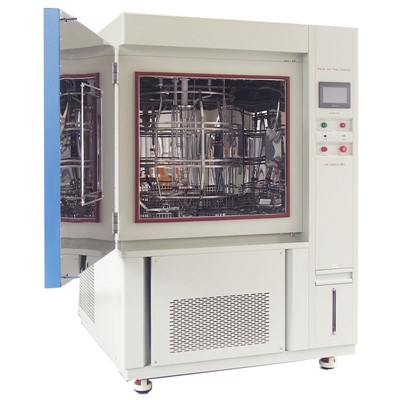


As a supplier of Cryogenic Test Chambers, I understand the significance of reducing running costs for our clients. Cryogenic test chambers are essential equipment in various industries, including aerospace, automotive, electronics, and materials science. These chambers are used to simulate extreme temperature conditions for product testing and research purposes. However, the high energy consumption associated with maintaining low temperatures can lead to substantial operational costs. In this blog post, I will share some practical strategies that can help you reduce the running cost of a cryogenic test chamber.
1. Optimize Chamber Insulation
One of the most effective ways to reduce energy consumption in a cryogenic test chamber is to improve its insulation. High - quality insulation materials can minimize heat transfer between the inside and outside of the chamber, reducing the workload on the refrigeration system. When selecting insulation, look for materials with low thermal conductivity, such as polyurethane foam or fiberglass. Ensure that the insulation is properly installed and sealed to prevent any air leaks. A well - insulated chamber will require less energy to maintain the desired temperature, resulting in lower running costs over time.
2. Upgrade to Energy - Efficient Refrigeration Systems
The refrigeration system is the heart of a cryogenic test chamber and consumes a significant amount of energy. Upgrading to an energy - efficient refrigeration system can lead to substantial cost savings. Modern refrigeration systems are designed with advanced technologies, such as variable - speed compressors and efficient heat exchangers. Variable - speed compressors can adjust their speed according to the cooling demand, reducing energy consumption during periods of lower load. Efficient heat exchangers can transfer heat more effectively, improving the overall performance of the refrigeration system. For instance, some of our Deep Cold And Heat Environmental Test Chamber models are equipped with state - of - the - art refrigeration systems that offer excellent energy efficiency.
3. Implement Intelligent Temperature Control
Intelligent temperature control systems allow you to precisely regulate the temperature inside the cryogenic test chamber. By setting accurate temperature setpoints and minimizing temperature fluctuations, you can reduce the energy consumption of the refrigeration system. Some advanced control systems use predictive algorithms to anticipate the cooling or heating requirements of the chamber, adjusting the operation of the refrigeration and heating units accordingly. This not only saves energy but also improves the accuracy of the test results. Additionally, consider using programmable controllers that allow you to schedule the operation of the chamber according to your testing needs. This way, the chamber can be powered down during non - testing periods, further reducing energy usage.


4. Proper Maintenance of the Chamber
Regular maintenance is crucial for the efficient operation of a cryogenic test chamber. A well - maintained chamber will consume less energy and have a longer service life. Here are some maintenance tasks to consider:
- Clean the Condenser and Evaporator Coils: Dust and debris on the coils can reduce their heat transfer efficiency, forcing the refrigeration system to work harder. Clean the coils regularly to ensure optimal performance.
- Check the Seals and Gaskets: Worn or damaged seals and gaskets can lead to air leaks, increasing energy consumption. Inspect these components periodically and replace them if necessary.
- Lubricate Moving Parts: Proper lubrication of moving parts, such as fans and compressors, can reduce friction and energy consumption. Follow the manufacturer's recommendations for lubrication intervals and use the appropriate lubricants.
5. Right - Sizing the Chamber
Selecting the right - sized cryogenic test chamber for your specific testing needs is essential. An oversized chamber will consume more energy than necessary, as it will require more power to cool or heat a larger volume. Evaluate your testing requirements carefully and choose a chamber with the appropriate internal volume. If you have different testing needs, consider having multiple chambers of different sizes instead of one large chamber. This way, you can use the smallest chamber that meets the requirements for each test, reducing energy consumption.
6. Utilize Energy - Recovery Systems
Energy - recovery systems can capture and reuse the waste heat generated by the cryogenic test chamber's refrigeration system. This heat can be used for other purposes, such as pre - heating water or providing space heating in the facility. By recovering and reusing this energy, you can reduce the overall energy consumption of the chamber and the facility. Some advanced cryogenic test chambers are equipped with built - in energy - recovery systems, which can significantly improve energy efficiency.
7. Train Operators on Energy - Saving Practices
Proper training of operators is essential for reducing the running cost of a cryogenic test chamber. Operators should be educated on energy - saving practices, such as proper loading of the chamber, minimizing door openings, and using the intelligent temperature control system effectively. Encourage operators to follow the recommended operating procedures and provide them with regular training updates to ensure they are aware of the latest energy - saving techniques.
8. Consider the Location of the Chamber
The location of the cryogenic test chamber can also affect its energy consumption. Place the chamber in a well - ventilated area with a stable ambient temperature. Avoid placing the chamber near heat sources, such as furnaces or direct sunlight, as this can increase the heat load on the chamber and require more energy to maintain the desired temperature. Additionally, ensure that there is sufficient space around the chamber for proper air circulation, which can improve the efficiency of the refrigeration system.
In conclusion, reducing the running cost of a cryogenic test chamber requires a combination of strategies, including optimizing insulation, upgrading the refrigeration system, implementing intelligent temperature control, and proper maintenance. As a supplier, we are committed to providing our clients with high - quality cryogenic test chambers that are energy - efficient and cost - effective. We also offer a range of other test chambers, such as Vibration Climatic Test Chamber and Walk - In Environmental Chamber, which are designed to meet the diverse testing needs of our clients.
If you are interested in reducing the running cost of your cryogenic test chamber or exploring our product range, we encourage you to contact us for a consultation. Our team of experts will be happy to assist you in finding the most suitable solutions for your specific requirements.
References
- ASHRAE Handbook - HVAC Systems and Equipment. American Society of Heating, Refrigerating and Air - Conditioning Engineers.
- Ullmann's Encyclopedia of Industrial Chemistry. Wiley - VCH.
- Scientific research papers on cryogenics and energy efficiency in temperature - controlled environments.