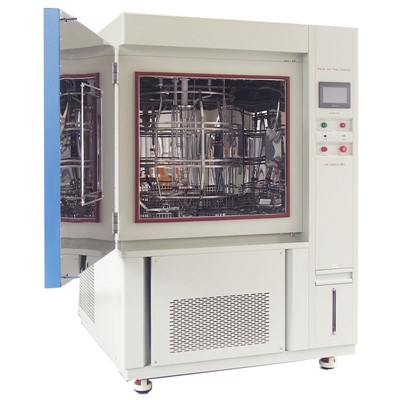


As a trusted supplier of IPX9K Water Spray Test Chambers, I understand that maintaining and replacing components like spray nozzles is crucial for the optimal performance of your testing equipment. In this blog, I'll guide you through the process of replacing spray nozzles in an IPX9K water spray test chamber, ensuring that your testing operations run smoothly and accurately.
Understanding the Importance of Spray Nozzles in IPX9K Testing
The IPX9K standard is designed to test the ingress protection of electrical equipment against high - pressure, high - temperature water jets. Spray nozzles play a pivotal role in this testing process. They are responsible for delivering water at specific pressures, angles, and flow rates to simulate real - world conditions. If the nozzles are clogged, damaged, or worn out, the test results may be inaccurate, leading to false assessments of a product's water - resistance capabilities.
Pre - replacement Preparations
Before you start replacing the spray nozzles, it's essential to take a few preparatory steps:
- Safety First: Ensure that the test chamber is completely powered off and disconnected from the water supply. This will prevent any accidental water leakage or electrical shock during the replacement process.
- Gather Tools: You'll need a set of basic tools such as wrenches, pliers, and a screwdriver. Make sure these tools are clean and in good working condition.
- Source Replacement Nozzles: As a supplier, we offer high - quality replacement nozzles that are specifically designed for IPX9K water spray test chambers. Ensure that you have the correct type and size of nozzles for your chamber model. You can explore our IP Test Equipment page to find the right replacement parts.
Step - by - Step Guide to Replacing Spray Nozzles
Step 1: Locate the Nozzles
The spray nozzles in an IPX9K water spray test chamber are usually located on the spray arms or fixtures. Carefully open the chamber door and visually inspect the interior to identify the position of the nozzles. Some chambers may have multiple nozzles arranged in a specific pattern to ensure uniform water distribution.
Step 2: Remove the Old Nozzles
Use the appropriate tools to loosen the fittings that hold the old nozzles in place. In most cases, the nozzles are screwed onto the spray arms. Gently turn the nozzles counter - clockwise using a wrench or pliers until they are completely detached. Be careful not to damage the surrounding components or the spray arms during this process.
Step 3: Clean the Nozzle Mounting Points
Once the old nozzles are removed, use a clean cloth or a brush to remove any debris, dirt, or mineral deposits from the nozzle mounting points. This will ensure a proper seal when the new nozzles are installed. You can also use a mild cleaning solution to remove stubborn deposits, but make sure to rinse the area thoroughly with clean water and dry it completely.
Step 4: Install the New Nozzles
Take the new nozzles and carefully align them with the mounting points on the spray arms. Turn the nozzles clockwise using the wrench or pliers to tighten them securely. Make sure not to over - tighten the nozzles, as this could damage the threads or cause leaks. Refer to the manufacturer's instructions for the recommended torque settings.
Step 5: Check for Leaks
After installing the new nozzles, reconnect the water supply and power on the test chamber. Set the chamber to a low - pressure test mode and observe the nozzle area for any signs of water leakage. If you notice any leaks, turn off the chamber immediately and re - check the nozzle connections. Tighten the fittings as needed until the leaks stop.
Post - replacement Testing and Calibration
Once you've replaced the spray nozzles and ensured that there are no leaks, it's important to conduct a series of tests to verify the performance of the new nozzles.
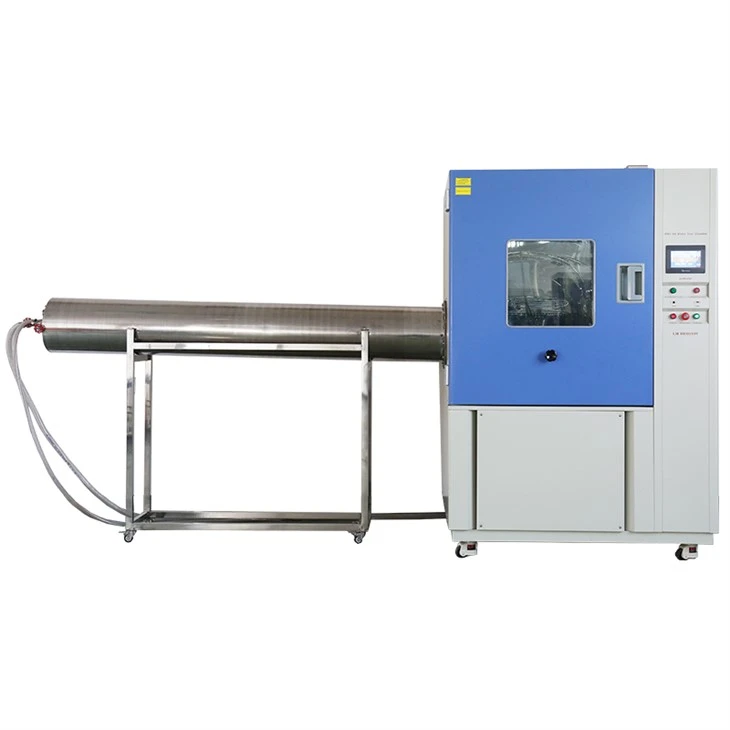
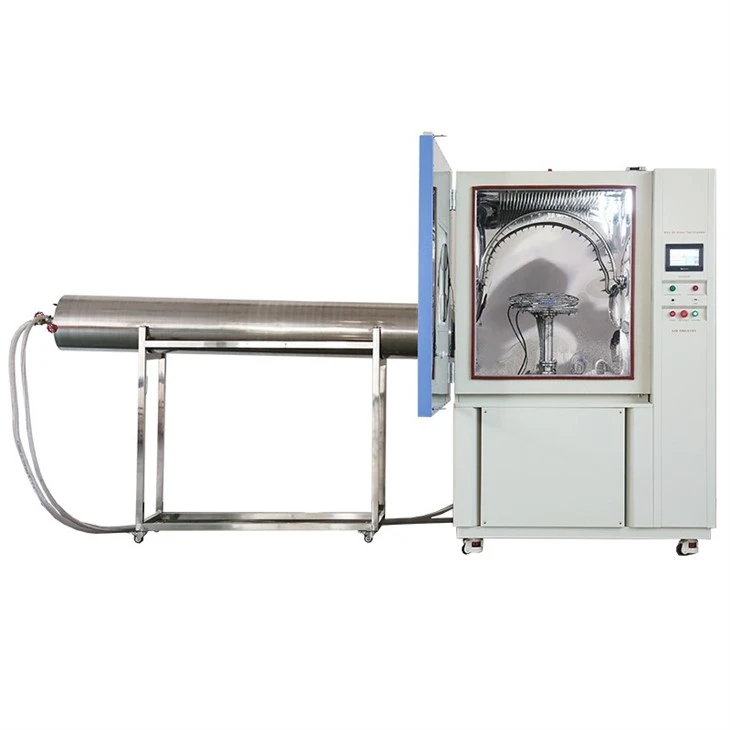
- Flow Rate Test: Measure the water flow rate through each nozzle using a flow meter. Compare the measured flow rates with the specifications provided by the manufacturer. If the flow rates are outside the acceptable range, you may need to check for blockages or incorrect nozzle installation.
- Spray Pattern Test: Place a test surface inside the chamber and run a test cycle. Observe the spray pattern on the test surface to ensure that the water is being distributed evenly. Any irregularities in the spray pattern may indicate a problem with the nozzle alignment or performance.
- Calibration: If necessary, calibrate the test chamber to ensure that it meets the IPX9K standard requirements. This may involve adjusting the water pressure, temperature, and spray angle settings. Our technical support team can assist you with the calibration process if you encounter any difficulties.
Maintaining Your Spray Nozzles
To extend the lifespan of your spray nozzles and ensure consistent test results, it's important to follow a regular maintenance schedule.
- Regular Cleaning: Clean the nozzles at least once a month to prevent the buildup of dirt, debris, and mineral deposits. You can use a soft brush and a mild cleaning solution to clean the nozzles. Rinse them thoroughly with clean water and dry them before reinstalling.
- Inspection: Periodically inspect the nozzles for signs of wear, damage, or clogging. Replace any damaged or worn - out nozzles immediately to avoid inaccurate test results.
- Water Quality: Use clean, filtered water in your test chamber to prevent the accumulation of impurities in the nozzles. Hard water can cause mineral deposits to form, which can clog the nozzles and affect their performance.
Conclusion
Replacing the spray nozzles in an IPX9K water spray test chamber is a relatively straightforward process if you follow the steps outlined in this blog. By ensuring that your nozzles are in good working condition, you can maintain the accuracy and reliability of your IPX9K testing operations.
If you have any questions about replacing spray nozzles or need assistance with your IPX9K water spray test chamber, our team of experts is here to help. We also offer a wide range of related products such as IPX7 IPX8 Immersion Tester and IPX3 X4 Test Chamber. Contact us today to discuss your requirements and explore how we can support your testing needs.
References
- Manufacturer's manual for IPX9K water spray test chamber
- Industry standards for IPX9K testing