



Ensuring the uniformity of UV radiation in a UV weathering test chamber is crucial for obtaining accurate and reliable test results. As a leading supplier of UV Weathering Test Chambers, we understand the significance of this factor and are committed to providing solutions that meet the highest industry standards. In this blog post, we will explore various aspects of achieving UV radiation uniformity in our test chambers.
Understanding the Importance of UV Radiation Uniformity
UV weathering test chambers are used to simulate the effects of long - term exposure to sunlight and other environmental factors on materials. The UV radiation is one of the key elements in this simulation. If the UV radiation is not uniform within the chamber, different parts of the test specimens may experience different levels of exposure, leading to inconsistent test results. This can be a major problem for industries such as automotive, aerospace, and construction, where the durability and performance of materials under UV exposure are critical.
Factors Affecting UV Radiation Uniformity
Lamp Placement and Configuration
The arrangement of UV lamps in the chamber plays a vital role in determining the radiation uniformity. Our engineers carefully design the lamp layout to ensure that the UV rays are evenly distributed across the test area. We typically use multiple lamps placed at strategic positions to minimize shadowing and create a more uniform radiation field. For example, in some of our larger chambers, we use a grid - like pattern of lamps to ensure comprehensive coverage of the test specimens.
Reflective Surfaces
The reflective surfaces inside the chamber can also impact the uniformity of UV radiation. We use high - quality reflective materials that are specifically engineered to reflect UV light efficiently. These reflective surfaces help to bounce the UV rays around the chamber, filling in the areas that may receive less direct radiation from the lamps. By optimizing the design and material of the reflective surfaces, we can significantly improve the overall uniformity of the UV field.
Chamber Geometry
The shape and size of the chamber can affect the way UV radiation propagates. Our chambers are designed with a focus on minimizing any areas where the radiation may be blocked or concentrated. For instance, we avoid sharp corners and irregular shapes that could cause uneven radiation distribution. Instead, we use smooth and rounded interior surfaces to promote better diffusion of the UV rays.
Measuring and Monitoring UV Radiation Uniformity
UV Sensors
To ensure the uniformity of UV radiation, we install multiple UV sensors at different locations within the chamber. These sensors continuously measure the intensity of the UV radiation and transmit the data to a control system. The control system can then analyze the data and provide real - time feedback on the radiation uniformity. If any non - uniformities are detected, the system can adjust the lamp power or other parameters to correct the issue.
Calibration
Regular calibration of the UV sensors and the entire test chamber is essential for maintaining accurate and reliable measurements. We provide a comprehensive calibration service to our customers, ensuring that the UV radiation levels and uniformity are within the specified tolerance limits. This calibration process involves using traceable standards to verify the accuracy of the sensors and the overall performance of the chamber.
Advanced Technologies for Improving UV Radiation Uniformity
Lamp Dimming Systems
Our UV weathering test chambers are equipped with advanced lamp dimming systems. These systems allow us to adjust the power output of individual lamps or groups of lamps. By carefully controlling the lamp power, we can fine - tune the UV radiation distribution within the chamber. For example, if a particular area of the chamber is receiving too much or too little radiation, the dimming system can be used to correct the imbalance.
Air Circulation Systems
Proper air circulation is not only important for maintaining a uniform temperature within the chamber but also for ensuring uniform UV radiation. Our chambers are designed with efficient air circulation systems that help to distribute the UV - heated air evenly. This prevents the formation of hot spots or cold spots, which could otherwise affect the performance of the test specimens and the uniformity of the UV radiation.
Case Studies: Real - World Applications
We have worked with numerous customers across different industries to ensure the uniformity of UV radiation in our test chambers. For example, a leading automotive manufacturer was experiencing inconsistent test results for their exterior plastic components. After analyzing the situation, we installed additional UV sensors in their test chamber and optimized the lamp dimming system. As a result, the uniformity of the UV radiation improved significantly, and the test results became more reliable.
Another case involved a construction materials company that needed to test the weatherability of their roofing materials. Our engineers designed a custom - sized chamber with a specific lamp configuration to meet their requirements. By using high - quality reflective surfaces and an advanced air circulation system, we were able to achieve a high level of UV radiation uniformity, which helped the company to accurately evaluate the durability of their products.

Comparison with Other Weathering Test Equipment
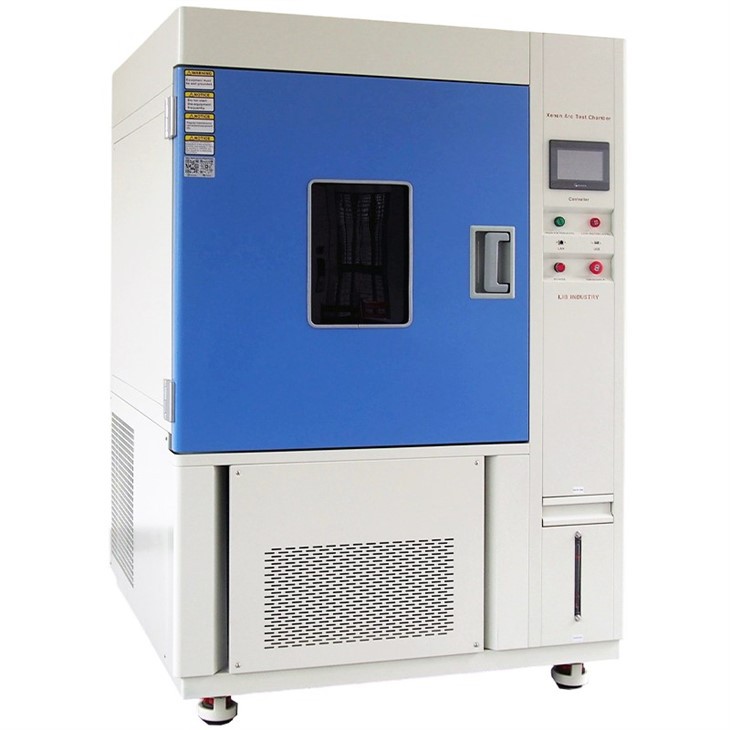
While UV weathering test chambers are ideal for simulating the effects of UV radiation, there are other types of weathering test equipment available in the market, such as Xenon Accelerated Weathering Tester, Weatherability Testing Xenon Machine, and Xenon Arc Test Chamber. These xenon - based testers are capable of simulating a broader spectrum of sunlight, including visible and infrared radiation. However, when it comes to focusing solely on UV radiation, our UV weathering test chambers offer a more cost - effective and precise solution.
Conclusion and Call to Action
Ensuring the uniformity of UV radiation in a UV weathering test chamber is a complex but achievable goal. At our company, we are dedicated to using the latest technologies and best practices to provide our customers with test chambers that deliver accurate and reliable results. If you are in need of a high - quality UV weathering test chamber or want to improve the performance of your existing equipment, please feel free to contact us. Our team of experts is ready to assist you in finding the best solution for your specific requirements.
References
- ASTM G154 - Standard Practice for Operating Fluorescent Ultraviolet (UV) Lamp Apparatus for Exposure of Non - metallic Materials.
- ISO 4892 - 3 - Plastics -- Methods of exposure to laboratory light sources -- Part 3: Fluorescent UV lamps.
- White, J. M., & Johnson, R. E. (2015). Weathering of Polymers: Testing and Prediction. Wiley.


