



Can a Xenon Arc Test Chamber be used in combination with environmental chambers?
As a supplier of Xenon Arc Test Chambers, I often encounter questions from customers about the compatibility and combined use of Xenon Arc Test Chambers with environmental chambers. In this blog, I will delve into this topic, exploring the feasibility, benefits, and considerations of using these two types of chambers together.
Understanding Xenon Arc Test Chambers
Xenon Arc Test Chambers are designed to simulate the effects of natural sunlight, including ultraviolet (UV) radiation, visible light, and infrared radiation. They are widely used in various industries, such as automotive, aerospace, plastics, and coatings, to test the durability and weather resistance of materials. By exposing samples to a controlled environment that mimics the harsh conditions of sunlight, these chambers can accelerate the aging process and help manufacturers predict how their products will perform over time.
Understanding Environmental Chambers
Environmental chambers, on the other hand, are used to simulate a wide range of environmental conditions, including temperature, humidity, altitude, and vibration. They can be used to test the performance of products under different environmental stresses, such as extreme temperatures, high humidity, and low pressure. Environmental chambers are commonly used in industries such as electronics, pharmaceuticals, and food to ensure the quality and reliability of products.
Feasibility of Combining Xenon Arc Test Chambers with Environmental Chambers
The answer to the question of whether a Xenon Arc Test Chamber can be used in combination with environmental chambers is yes. In fact, combining these two types of chambers can provide a more comprehensive and accurate assessment of the performance of materials and products under real-world conditions. By exposing samples to both sunlight and other environmental factors, such as temperature and humidity, manufacturers can simulate the complex interactions between different environmental stresses and better understand how their products will perform in different environments.
Benefits of Combining Xenon Arc Test Chambers with Environmental Chambers
There are several benefits to using a Xenon Arc Test Chamber in combination with environmental chambers:
- Comprehensive Testing: By combining the capabilities of both chambers, manufacturers can conduct more comprehensive tests that simulate the full range of environmental conditions that their products may encounter in the real world. This can help them identify potential issues and make necessary improvements to their products before they are released to the market.
- Accelerated Aging: Xenon Arc Test Chambers can accelerate the aging process of materials by exposing them to high levels of UV radiation. By combining this with the environmental conditions provided by the environmental chamber, manufacturers can further accelerate the aging process and obtain results more quickly.
- Realistic Simulation: By simulating the real-world environmental conditions that products may encounter, manufacturers can obtain more realistic test results. This can help them make more informed decisions about the design and performance of their products.
- Cost-Effective: Combining the use of Xenon Arc Test Chambers and environmental chambers can be a cost-effective way to conduct comprehensive testing. Instead of using multiple chambers to simulate different environmental conditions, manufacturers can use a single combined chamber to conduct all the necessary tests.
Considerations When Combining Xenon Arc Test Chambers with Environmental Chambers
While there are many benefits to combining Xenon Arc Test Chambers with environmental chambers, there are also some considerations that manufacturers need to keep in mind:
- Compatibility: Before combining the two chambers, manufacturers need to ensure that they are compatible with each other. This includes ensuring that the temperature and humidity ranges of the environmental chamber are compatible with the requirements of the Xenon Arc Test Chamber.
- Calibration: Both the Xenon Arc Test Chamber and the environmental chamber need to be calibrated regularly to ensure accurate and reliable test results. Manufacturers need to follow the manufacturer's instructions for calibration and maintenance to ensure that the chambers are operating properly.
- Sample Preparation: Proper sample preparation is essential for accurate test results. Manufacturers need to ensure that the samples are prepared according to the specifications of the test and that they are representative of the products that will be tested.
- Safety: Xenon Arc Test Chambers and environmental chambers can be potentially hazardous if not used properly. Manufacturers need to ensure that their employees are trained on the proper use and safety procedures for these chambers to prevent accidents and injuries.
Examples of Combined Use
There are many examples of how Xenon Arc Test Chambers can be used in combination with environmental chambers. For example, in the automotive industry, manufacturers may use a Xenon Arc Test Chamber to simulate the effects of sunlight on automotive paints and coatings, and then use an environmental chamber to simulate the effects of temperature and humidity on the same samples. This can help them determine the durability and weather resistance of the paints and coatings under different environmental conditions.
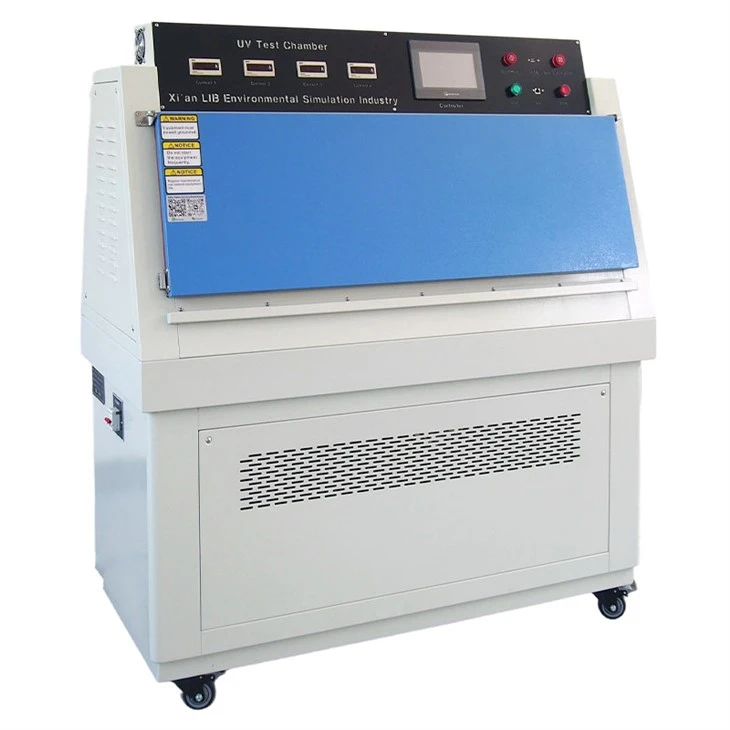

In the aerospace industry, manufacturers may use a Xenon Arc Test Chamber to simulate the effects of sunlight on aircraft materials, and then use an environmental chamber to simulate the effects of high altitude and low pressure on the same samples. This can help them determine the performance of the materials under different environmental conditions and ensure the safety and reliability of the aircraft.
Conclusion
In conclusion, a Xenon Arc Test Chamber can be used in combination with environmental chambers to provide a more comprehensive and accurate assessment of the performance of materials and products under real-world conditions. By combining the capabilities of both chambers, manufacturers can conduct more comprehensive tests, accelerate the aging process, obtain more realistic test results, and save costs. However, manufacturers need to ensure that the chambers are compatible with each other, calibrated regularly, and used safely.
If you are interested in learning more about our Xenon Arc Test Chambers or how they can be used in combination with environmental chambers, please visit our website at UVA UVB UVC Lamp Degradation Test Device, UV Climate Resistant Aging Test Chamber, or Accelerated Weathering Test Equipment. We would be happy to discuss your specific testing needs and provide you with a customized solution.
References
- ASTM G155 - Standard Practice for Operating Xenon Arc Light Apparatus for Exposure of Nonmetallic Materials.
- ISO 4892 - Plastics - Methods of exposure to laboratory light sources - Part 2: Xenon-arc lamps.
- IEC 60068 - Environmental testing - Part 2: Tests - Test Ka: Salt mist.


