



As a supplier of temperature humidity chambers, I often encounter inquiries about what materials can be tested in these chambers. Temperature humidity chambers are versatile pieces of equipment used across a wide range of industries to simulate various environmental conditions. This allows for the assessment of how materials and products will perform under different temperature and humidity levels. In this blog, I will explore the diverse types of materials that can be effectively tested in a temperature humidity chamber.
Plastics and Polymers
Plastics and polymers are ubiquitous in modern manufacturing, used in everything from consumer goods to automotive parts. These materials can be significantly affected by changes in temperature and humidity. In a temperature humidity chamber, plastics can be tested for dimensional stability, mechanical properties, and chemical resistance under different environmental conditions.
For example, high - temperature exposure can cause plastics to soften, deform, or even degrade chemically. In a chamber set at elevated temperatures, manufacturers can observe how a plastic part will behave in a hot environment, such as inside an engine compartment or in direct sunlight. On the other hand, low - temperature testing can reveal if a plastic becomes brittle and prone to cracking. Humidity can also play a role, as some plastics absorb moisture, which can lead to swelling, reduced strength, and changes in electrical properties.
Our Environmental Simulation Temperature Humidity Test Machine is well - suited for testing plastics and polymers. It can precisely control temperature and humidity levels, allowing for accurate and repeatable testing results.
Metals
Metals are another important class of materials that can be tested in a temperature humidity chamber. Corrosion is a major concern for metals, especially in environments with high humidity and varying temperatures. By subjecting metal samples to different combinations of temperature and humidity, manufacturers can accelerate the corrosion process and evaluate the effectiveness of anti - corrosion coatings and treatments.
For instance, in the aerospace industry, metal components need to withstand harsh environmental conditions. Testing in a temperature humidity chamber can help determine how long a metal part will last before corrosion becomes a significant issue. Additionally, metals can experience changes in their mechanical properties, such as hardness and ductility, at different temperatures. A chamber can be used to simulate the temperature variations that a metal part might encounter during its service life.
Our High Low Temperature Humidity Test Chamber provides a wide range of temperature and humidity settings, making it ideal for comprehensive metal testing.
Electronics
The electronics industry relies heavily on temperature humidity chambers for product testing. Electronic components are sensitive to both temperature and humidity. High temperatures can cause components to overheat, leading to reduced performance, shortened lifespan, or even complete failure. Humidity can cause moisture to penetrate electronic devices, leading to corrosion of circuit boards and short - circuits.
In a temperature humidity chamber, electronic products can be tested for functionality, reliability, and durability under different environmental conditions. For example, a smartphone can be tested to ensure that it operates correctly in both hot and humid tropical climates and cold and dry arctic conditions. This type of testing helps manufacturers identify potential design flaws and improve the quality of their products.
Our Medical Stability Temperature Conditioning Chamber is also suitable for testing electronic medical devices, as it provides precise control of environmental conditions to ensure the stability and reliability of these critical products.
Textiles
Textiles are used in a variety of applications, from clothing to home furnishings and industrial products. Temperature and humidity can have a significant impact on the performance and appearance of textiles. High humidity can cause fabrics to become damp, leading to mold growth and unpleasant odors. Extreme temperatures can affect the colorfastness, shrinkage, and strength of textiles.
In a temperature humidity chamber, textile manufacturers can test their products for colorfastness by exposing them to different temperature and humidity levels. They can also evaluate how fabrics shrink or stretch under various conditions. This information is crucial for ensuring that textiles meet quality standards and consumer expectations.
Food and Beverages
The food and beverage industry also benefits from the use of temperature humidity chambers. Food products can be affected by temperature and humidity during storage, transportation, and shelf - life. High temperatures and humidity can accelerate the growth of microorganisms, leading to spoilage and reduced food safety.

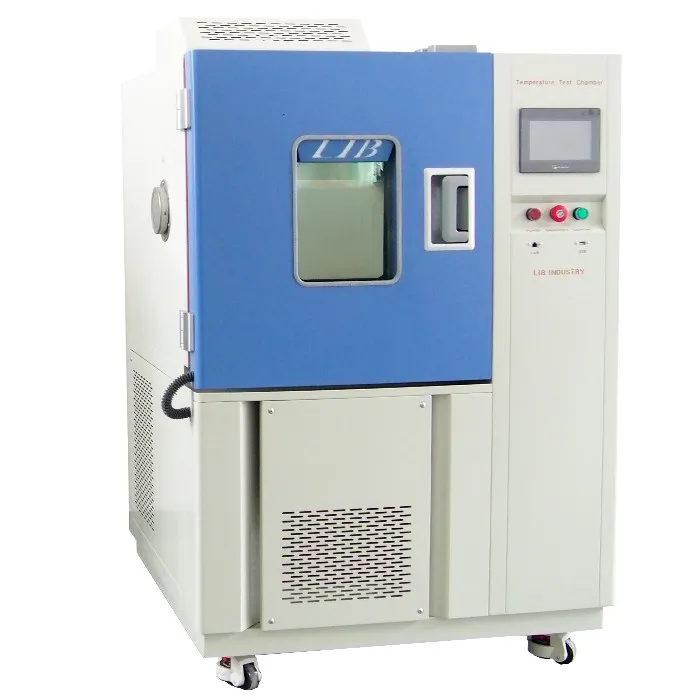
In a chamber, food manufacturers can simulate different storage conditions to determine the shelf - life of their products. They can also test how packaging materials perform under various environmental conditions to ensure that they provide adequate protection for the food inside. For example, a chamber can be used to test the effectiveness of moisture - barrier packaging for dry goods.
Pharmaceuticals
Pharmaceuticals are highly sensitive to environmental conditions. Temperature and humidity can affect the stability, efficacy, and safety of drugs. In a temperature humidity chamber, pharmaceutical companies can conduct stability testing to determine how a drug will degrade over time under different environmental conditions.
This type of testing is essential for ensuring that drugs remain effective and safe throughout their shelf - life. Our Medical Stability Temperature Conditioning Chamber is specifically designed to meet the strict requirements of pharmaceutical testing, providing precise and reliable temperature and humidity control.
Conclusion
In conclusion, a temperature humidity chamber is a valuable tool for testing a wide variety of materials across multiple industries. Whether it's plastics, metals, electronics, textiles, food, or pharmaceuticals, these chambers can simulate the environmental conditions that materials and products will encounter in real - world applications.
If you are in need of a temperature humidity chamber for your testing needs, we are here to help. Our range of chambers, including the Environmental Simulation Temperature Humidity Test Machine, Medical Stability Temperature Conditioning Chamber, and High Low Temperature Humidity Test Chamber, offer precise control, reliability, and versatility. Contact us to discuss your specific requirements and start optimizing your material testing processes.
References
- ASTM International. Standard practices related to environmental testing of materials.
- ISO standards for temperature and humidity testing of various products.
- Industry - specific research papers on the impact of temperature and humidity on different materials.


