



Can a Walk-In Humidity Chamber be used for electronic component testing?
In the realm of electronic component testing, the choice of testing equipment is crucial to ensure the reliability and performance of the components. One such equipment that has gained significant attention is the walk-in humidity chamber. As a walk-in humidity chamber supplier, I am often asked whether these chambers can be effectively used for electronic component testing. In this blog, I will delve into the capabilities of walk-in humidity chambers and their suitability for electronic component testing.
Understanding Walk-In Humidity Chambers
Walk-in humidity chambers are large environmental testing chambers designed to simulate a wide range of temperature and humidity conditions. These chambers are spacious enough for operators to walk inside, allowing for easy placement and retrieval of test specimens. They are equipped with advanced control systems that can precisely regulate temperature, humidity, and other environmental parameters.
The key advantage of walk-in humidity chambers is their ability to create a controlled environment that closely mimics real-world conditions. This is essential for electronic component testing as it allows manufacturers to evaluate how the components will perform under different environmental stressors. For example, electronic components used in outdoor applications may be exposed to high humidity, extreme temperatures, and rapid temperature changes. By subjecting these components to similar conditions in a walk-in humidity chamber, manufacturers can identify potential issues and make necessary improvements before the products are released to the market.
Electronic Component Testing Requirements
Electronic components are used in a wide range of applications, from consumer electronics to aerospace and defense systems. Each application has its own set of requirements and standards, and electronic components must meet these requirements to ensure reliable performance. Some of the common testing requirements for electronic components include:
- Temperature and Humidity Testing: Electronic components are sensitive to temperature and humidity changes. High temperatures can cause components to overheat and fail, while high humidity can lead to corrosion and electrical short circuits. Temperature and humidity testing is used to evaluate the component's performance under different environmental conditions and to ensure that it can withstand the expected operating conditions.
- Thermal Cycling Testing: Thermal cycling testing involves subjecting the component to repeated cycles of heating and cooling. This simulates the temperature changes that the component may experience during its normal operation. Thermal cycling testing can help identify potential issues such as solder joint fatigue, delamination, and cracking.
- Moisture Resistance Testing: Moisture resistance testing is used to evaluate the component's ability to resist the effects of moisture. This is particularly important for components used in outdoor or high-humidity environments. Moisture resistance testing can include tests such as damp heat testing, salt spray testing, and immersion testing.
- Vibration and Shock Testing: Vibration and shock testing are used to evaluate the component's ability to withstand mechanical stress. This is important for components used in applications where they may be subjected to vibrations or shocks, such as automotive and aerospace applications. Vibration and shock testing can help identify potential issues such as loose connections, cracked components, and damage to the printed circuit board.
Can a Walk-In Humidity Chamber Meet Electronic Component Testing Requirements?
The answer is yes. Walk-in humidity chambers are capable of meeting the majority of electronic component testing requirements. These chambers can be programmed to simulate a wide range of temperature and humidity conditions, including high and low temperatures, rapid temperature changes, and high humidity levels. They can also be equipped with additional features such as vibration and shock testing capabilities, allowing for more comprehensive testing.
One of the key advantages of using a walk-in humidity chamber for electronic component testing is the ability to test large quantities of components at the same time. This is particularly useful for mass production testing, where manufacturers need to test a large number of components quickly and efficiently. Walk-in humidity chambers can accommodate a large number of test specimens, allowing for simultaneous testing and reducing the overall testing time.
Another advantage of using a walk-in humidity chamber is the ability to create a controlled environment that is free from external contaminants. This is important for electronic component testing as contaminants such as dust, dirt, and moisture can affect the performance of the components. Walk-in humidity chambers are designed to be airtight and can be equipped with air filtration systems to ensure that the testing environment is clean and free from contaminants.
Applications of Walk-In Humidity Chambers in Electronic Component Testing
Walk-in humidity chambers are used in a wide range of electronic component testing applications, including:
- Consumer Electronics: Walk-in humidity chambers are used to test consumer electronics such as smartphones, tablets, laptops, and televisions. These components are often used in a variety of environmental conditions, and it is important to ensure that they can withstand these conditions. Walk-in humidity chambers can be used to simulate different temperature and humidity conditions, as well as other environmental stressors such as vibration and shock.
- Automotive Electronics: Walk-in humidity chambers are used to test automotive electronics such as engine control units, sensors, and infotainment systems. These components are subjected to a wide range of environmental conditions, including high temperatures, high humidity, and vibration. Walk-in humidity chambers can be used to simulate these conditions and ensure that the components can withstand the expected operating conditions.
- Aerospace and Defense Electronics: Walk-in humidity chambers are used to test aerospace and defense electronics such as avionics systems, radar systems, and communication systems. These components are used in extremely harsh environments, including high altitudes, low temperatures, and high radiation levels. Walk-in humidity chambers can be used to simulate these conditions and ensure that the components can withstand the expected operating conditions.
- Medical Electronics: Walk-in humidity chambers are used to test medical electronics such as pacemakers, defibrillators, and insulin pumps. These components are used in critical applications, and it is important to ensure that they can perform reliably under different environmental conditions. Walk-in humidity chambers can be used to simulate different temperature and humidity conditions, as well as other environmental stressors such as vibration and shock.
Other Related Chambers for Electronic Component Testing
In addition to walk-in humidity chambers, there are other types of chambers that can be used for electronic component testing. These include Explosion-proof Battery Test Chamber--More Customized Chambers, Damp Heating Chamber for PV Modules, and Low Air Pressure Temperature Altitude Chamber.
Explosion-proof battery test chambers are designed to test batteries in a safe and controlled environment. These chambers are equipped with explosion-proof features to prevent the risk of explosion in case of a battery failure. Damp heating chambers for PV modules are used to test photovoltaic modules under high humidity and temperature conditions. These chambers can simulate the environmental conditions that PV modules may experience in real-world applications. Low air pressure temperature altitude chambers are used to test electronic components under low air pressure and temperature conditions. These chambers can simulate the environmental conditions that electronic components may experience at high altitudes.
Conclusion and Call to Action
In conclusion, walk-in humidity chambers are a versatile and effective tool for electronic component testing. They can create a controlled environment that closely mimics real-world conditions, allowing manufacturers to evaluate the performance of their components under different environmental stressors. Walk-in humidity chambers are capable of meeting the majority of electronic component testing requirements and can be used in a wide range of applications.

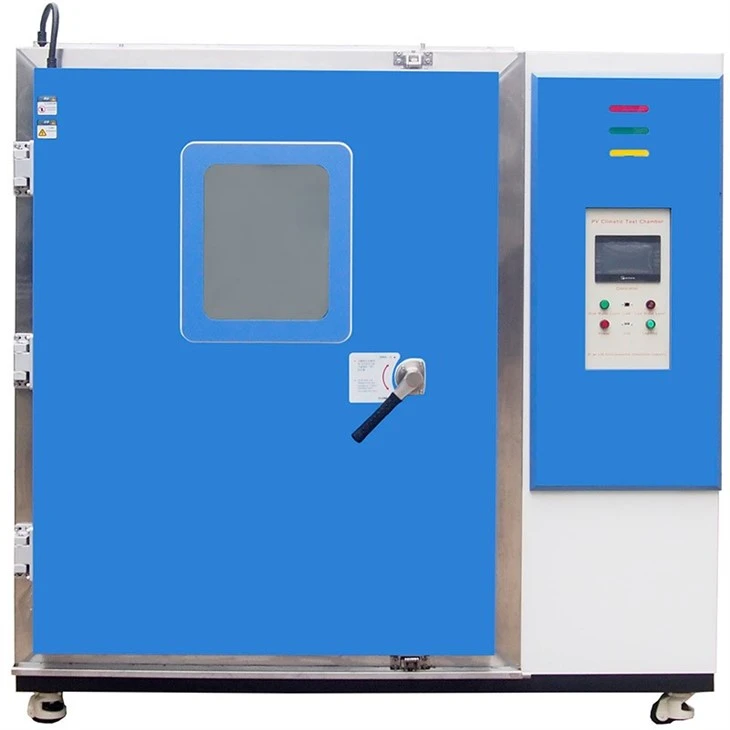
If you are in the market for a walk-in humidity chamber for electronic component testing, or if you have any questions about our products, please do not hesitate to contact us. Our team of experts can provide you with detailed information about our products and help you choose the right chamber for your specific testing needs. We look forward to the opportunity to discuss your requirements and work with you to ensure the success of your electronic component testing programs.
References
- ASTM International. (20XX). Standard Test Methods for Electronic Devices and Semiconductor Components.
- IEC. (20XX). International Electrotechnical Commission Standards for Electronic Component Testing.
- JEDEC. (20XX). Joint Electron Device Engineering Council Standards for Electronic Component Reliability Testing.


