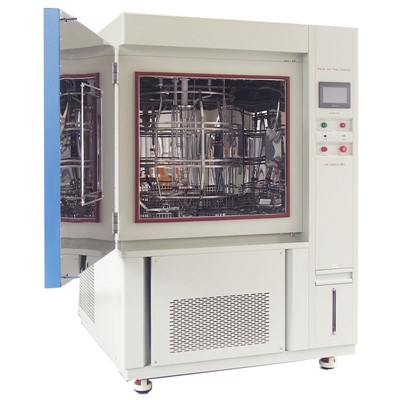



Hey there! As a supplier of Walk-In Humidity Chambers, I often get asked, "Are there any safety regulations for using a Walk-In Humidity Chamber?" Well, you bet there are, and in this blog, I'm gonna break them down for you.
First off, let's understand what a Walk-In Humidity Chamber is. It's a large - scale testing environment designed to simulate various humidity and temperature conditions. These chambers are used in a wide range of industries, from automotive to photovoltaic. For example, the Controlled Temperature Chamber For Automotive is crucial for testing car components under different environmental conditions, while the Damp Heating Chamber for PV Modules plays a vital role in the solar energy industry.


Electrical Safety Regulations
One of the most important aspects of using a Walk - In Humidity Chamber is electrical safety. These chambers are big and require a significant amount of power to operate. Always make sure the chamber is connected to a properly grounded electrical supply. A grounded supply helps prevent electrical shocks in case of a short - circuit.
The electrical wiring inside and outside the chamber should be inspected regularly. Look out for signs of fraying, overheating, or exposed wires. Any damaged wiring should be replaced immediately by a qualified electrician. And don't overload the electrical circuits. Each chamber has a specified power rating, and exceeding it can lead to a fire hazard.
Temperature and Pressure Safety
Maintaining the right temperature and pressure is key in a Walk - In Humidity Chamber. These chambers can reach extreme temperatures, both hot and cold. If the temperature control system malfunctions, it can pose a serious risk.
For high - temperature operations, there should be proper insulation around the chamber to prevent burns to operators. A reliable temperature monitoring system is also a must. It should be able to detect any abnormal temperature fluctuations and trigger an alarm.
Pressure is another factor. In some cases, the chamber may need to operate at different pressures. Over - pressurization can cause the chamber to rupture. So, it's essential to have a pressure relief valve installed. This valve will open automatically if the pressure inside the chamber exceeds a safe level.
Humidity - Related Safety
Humidity can be a double - edged sword. On one hand, it's what makes these chambers useful. On the other hand, excessive humidity can lead to problems. For instance, high humidity levels can cause moisture to accumulate inside the chamber, which may lead to corrosion of the chamber's internal components.
To avoid this, moisture drainage systems should be in place. These systems will remove excess water from the chamber, keeping it dry and preventing rust. Also, operators should wear appropriate protective gear when working in high - humidity environments. Prolonged exposure to high humidity can cause health issues like skin rashes and respiratory problems.
Fire Safety
Even though Walk - In Humidity Chambers are not typically associated with fire hazards, there is still a risk. The electrical components and the materials used inside the chamber can catch fire if there is a short - circuit or other issues.
Install smoke detectors inside and outside the chamber. These detectors will alert operators in case of a fire. Fire extinguishers should also be readily available near the chamber. Make sure all operators know how to use these extinguishers properly.
Safety for the Operators
Operators are the ones who interact with the Walk - In Humidity Chamber on a daily basis. So, their safety is of utmost importance. They should receive proper training before operating the chamber. This training should cover all aspects of the chamber's operation, including safety procedures.
Personal protective equipment (PPE) is a must. Depending on the chamber's operation, operators may need to wear safety glasses, gloves, and protective clothing. This will protect them from potential hazards such as electrical shocks, burns, and chemical exposure.
Regulatory Compliance
In addition to these general safety regulations, there are also industry - specific regulations that you need to follow. For example, the IEC 61464 Photovoltaic Panel Damp Heat Test Chamber is subject to the IEC 61464 standards. These standards ensure the safety and performance of the chamber when testing photovoltaic panels.
It's your responsibility as the user of the Walk - In Humidity Chamber to stay updated on these regulations. Non - compliance can lead to fines, legal issues, and most importantly, endanger the safety of your employees.
Maintenance and Inspection
Regular maintenance and inspection are crucial for the safe operation of a Walk - In Humidity Chamber. A maintenance schedule should be established, and all components of the chamber should be inspected at regular intervals.
This includes checking the temperature and humidity sensors, the electrical systems, the pressure relief valves, and the moisture drainage systems. Any worn - out or damaged parts should be replaced as soon as possible.
Conclusion
So, to answer the question, "Are there any safety regulations for using a Walk - In Humidity Chamber?" The answer is a resounding yes. From electrical safety to operator protection, there are numerous regulations in place to ensure the safe and efficient operation of these chambers.
If you're in the market for a Walk - In Humidity Chamber, you need a reliable supplier who not only provides high - quality chambers but also offers support in safety regulations compliance. As a Walk - In Humidity Chamber supplier, I'm here to help you every step of the way. Whether you need advice on safety procedures or are looking for a chamber that meets your specific industry requirements, don't hesitate to get in touch. Let's start a conversation about how we can work together to ensure your testing needs are met safely and efficiently.
References
- General safety guidelines for industrial testing equipment
- IEC 61464 standards for photovoltaic panel testing equipment