


When it comes to environmental testing, one of the key factors that often gets overlooked is humidity. As a supplier of conditioning chambers, I've seen firsthand how crucial it is to have precise control over humidity levels for a wide range of applications. In this blog post, I'll dive into what humidity levels can be controlled in a conditioning chamber and why it matters.
Understanding Humidity in Conditioning Chambers
Before we get into the specific humidity levels, let's quickly go over what humidity is and why it's important in a conditioning chamber. Humidity refers to the amount of water vapor present in the air. In a conditioning chamber, controlling humidity is essential because it can significantly impact the performance and reliability of the products being tested.
For example, in the electronics industry, high humidity levels can cause corrosion and short circuits, while low humidity levels can lead to static electricity buildup and damage to sensitive components. In the pharmaceutical industry, maintaining the right humidity levels is crucial for ensuring the stability and efficacy of drugs.
Controllable Humidity Ranges
So, what humidity levels can be controlled in a conditioning chamber? Well, it depends on the type of chamber and the specific requirements of your application. Generally speaking, most conditioning chambers can control humidity levels within a range of 10% to 98% relative humidity (RH).
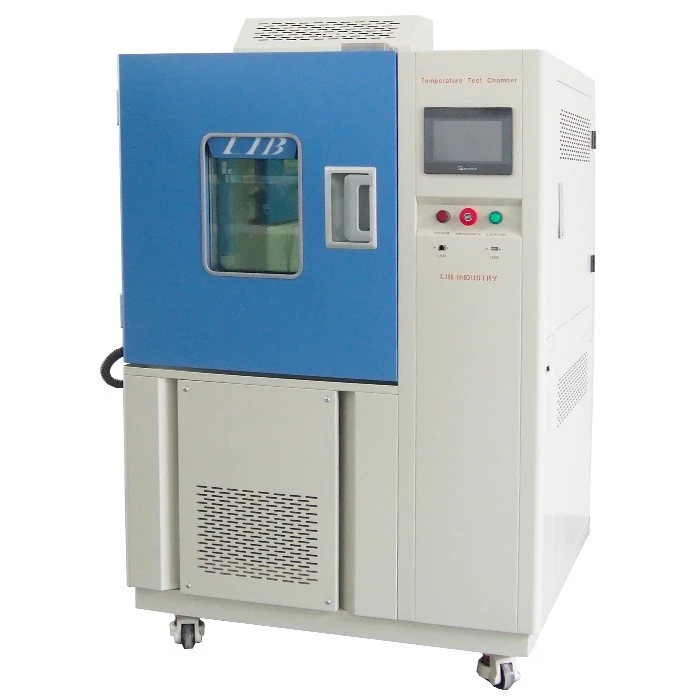
- Low Humidity (10% - 30% RH): Low humidity levels are often required for applications where moisture can cause damage or interference. For example, in the semiconductor industry, low humidity is necessary to prevent oxidation and corrosion of electronic components. Our Temperature Humidity Pressure Chamber is designed to achieve and maintain low humidity levels with high precision, making it ideal for these types of applications.
- Medium Humidity (30% - 70% RH): Medium humidity levels are commonly used in a wide range of industries, including food and beverage, cosmetics, and textiles. These levels are suitable for testing the physical and chemical properties of products under normal environmental conditions. Our Medical Stability Temperature Conditioning Chamber is capable of controlling humidity within the medium range, ensuring accurate and reliable testing of medical products.
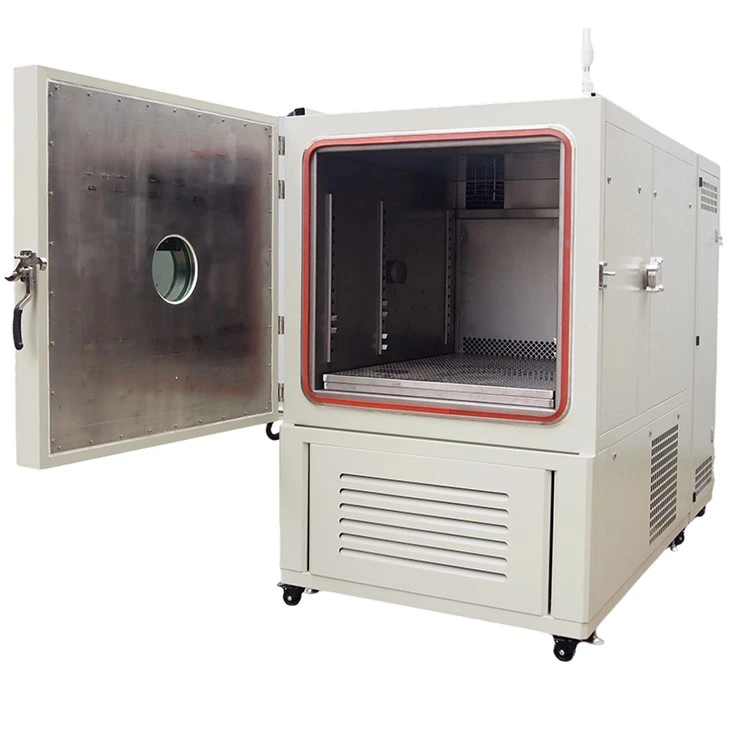
- High Humidity (70% - 98% RH): High humidity levels are required for applications such as testing the water resistance of materials, simulating tropical environments, and conducting accelerated aging tests. Our Walk-In Environmental Chamber can achieve and maintain high humidity levels, providing a large and flexible testing space for your products.
Factors Affecting Humidity Control
While most conditioning chambers can control humidity within a certain range, there are several factors that can affect the accuracy and stability of humidity control. These factors include:
- Temperature: Temperature and humidity are closely related, and changes in temperature can cause fluctuations in humidity levels. Therefore, it's important to have precise temperature control in a conditioning chamber to ensure accurate humidity control.
- Airflow: Proper airflow is essential for maintaining uniform humidity levels throughout the chamber. Inadequate airflow can lead to hotspots and cold spots, which can cause variations in humidity.
- Chamber Size: The size of the chamber can also affect humidity control. Larger chambers may require more powerful humidification and dehumidification systems to achieve and maintain the desired humidity levels.
Importance of Precise Humidity Control
Precise humidity control is crucial for ensuring the accuracy and reliability of environmental testing. Even small variations in humidity levels can have a significant impact on the performance and durability of products. By using a conditioning chamber with precise humidity control, you can:
- Improve Product Quality: By testing your products under controlled humidity conditions, you can identify potential issues and make necessary improvements to ensure they meet the required quality standards.
- Reduce Product Failures: Humidity-related failures can be costly and time-consuming to fix. By simulating real-world humidity conditions in a conditioning chamber, you can detect and address potential failures before they occur in the field.
- Comply with Industry Standards: Many industries have specific standards and regulations regarding humidity control in environmental testing. By using a conditioning chamber that meets these standards, you can ensure compliance and avoid potential legal issues.
Conclusion
In conclusion, the ability to control humidity levels in a conditioning chamber is essential for a wide range of industries and applications. Whether you need to test electronic components, medical products, or food and beverage items, having precise humidity control can help you improve product quality, reduce failures, and comply with industry standards.
As a supplier of conditioning chambers, we offer a wide range of products that can meet your specific humidity control requirements. Our Temperature Humidity Pressure Chamber, Medical Stability Temperature Conditioning Chamber, and Walk-In Environmental Chamber are designed to provide accurate and reliable humidity control, ensuring the success of your environmental testing.
If you're interested in learning more about our conditioning chambers or have any questions about humidity control, please don't hesitate to contact us. We'd be happy to discuss your specific needs and help you find the right solution for your application.
References
- ASHRAE Handbook - Fundamentals.
- ISO 13975:2016 - Environmental testing - Part 2-67: Tests - Test Cab: Damp heat, steady state.
- ASTM D1776 - 19 Reapproved 2023 - Practice for Conditioning and Testing Textiles.


