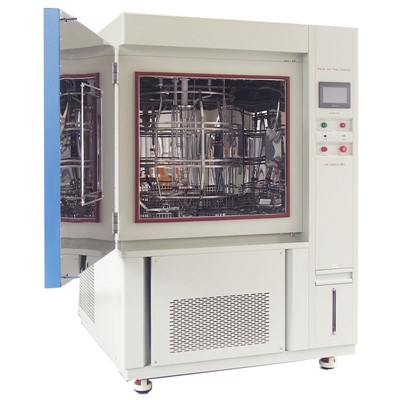


As a seasoned provider of Walk-In Environmental Chambers, I've witnessed firsthand the diverse requirements and concerns of our clients. One frequently asked question is about the long-term maintenance costs of these chambers. In this blog, I'll delve into the various factors that influence the maintenance expenses of Walk-In Environmental Chambers over time and provide valuable insights to help you better manage these costs.
1. Initial Investment and Its Impact on Maintenance
The initial cost of a Walk-In Environmental Chamber is a significant determinant of future maintenance costs. High - quality chambers often come with a hefty price tag but are built with superior materials and advanced technology. These chambers are generally more reliable and require less frequent repairs. For example, chambers with high - grade insulation will maintain the desired temperature and humidity levels more efficiently, reducing the strain on the heating, ventilation, and air - conditioning (HVAC) system.
On the other hand, cheaper models may seem like a cost - effective option upfront, but they might be more prone to breakdowns. The components used in these chambers may be of lower quality, leading to more frequent replacements and repairs. When choosing a Walk - In Environmental Chamber, it's essential to consider the long - term implications of the initial investment on maintenance costs.
2. Regular Maintenance Tasks and Their Costs
Filter Replacement
Filters play a crucial role in maintaining the air quality and proper functioning of the chamber. They trap dust, dirt, and other contaminants, preventing them from circulating in the chamber and potentially damaging the internal components. Depending on the usage of the chamber, filters may need to be replaced every 3 - 6 months. The cost of filters can vary depending on the type and brand of the chamber. For standard Walk - In Environmental Chambers, filter replacement costs can range from $50 - $200 per filter.
Calibration
Calibration ensures that the temperature, humidity, and other environmental parameters within the chamber are accurate. Regular calibration is essential to meet industry standards and ensure the reliability of test results. Chambers should be calibrated at least once a year, but in some high - precision applications, more frequent calibration may be required. The cost of calibration services can range from $300 - $800 per session, depending on the complexity of the chamber and the number of parameters to be calibrated.
Sealing Inspection and Repair
The seals around the doors and access points of the chamber are vital for maintaining the integrity of the internal environment. Over time, these seals can wear out, leading to air leakage. This not only affects the chamber's ability to maintain the desired conditions but also increases energy consumption. Inspecting and repairing the seals should be done annually. The cost of seal replacement can vary from $100 - $500, depending on the size and type of the chamber.
3. Energy Consumption and Its Role in Long - Term Costs
Energy consumption is a significant component of the long - term maintenance costs of Walk - In Environmental Chambers. The energy required to maintain the desired temperature and humidity levels depends on several factors, including the size of the chamber, the setpoint conditions, and the insulation quality.
Larger chambers generally consume more energy than smaller ones. Similarly, chambers set to extreme temperatures or high humidity levels will require more energy to maintain these conditions. High - quality insulation can significantly reduce energy consumption by minimizing heat transfer between the chamber and the surrounding environment.
To estimate the energy cost, you need to know the power rating of the chamber's HVAC system and the number of hours it operates per day. For example, if a chamber has a power rating of 10 kW and operates for 8 hours a day, the daily energy consumption is 80 kWh. Assuming an electricity cost of $0.15 per kWh, the daily energy cost would be $12. Over a year, this amounts to approximately $4380.
4. Component Replacement and Breakdown Costs
Despite regular maintenance, components within the chamber will eventually wear out and need to be replaced. The most common components that may require replacement include compressors, heaters, and fans.
Compressors are a critical part of the refrigeration system in the chamber. They are also one of the most expensive components to replace. The cost of a compressor can range from $1000 - $5000, depending on the size and type of the chamber. Heaters and fans are relatively cheaper to replace, with costs ranging from $100 - $500 each.
In the event of a breakdown, there may also be additional costs associated with labor and diagnostic services. A professional technician may charge $100 - $200 per hour for their services, and the diagnostic process can take several hours.
5. Impact of Usage Frequency on Maintenance Costs
The frequency of use of the Walk - In Environmental Chamber has a direct impact on its maintenance costs. Chambers that are used more frequently are subject to greater wear and tear, which means more frequent maintenance and a higher likelihood of component failures.
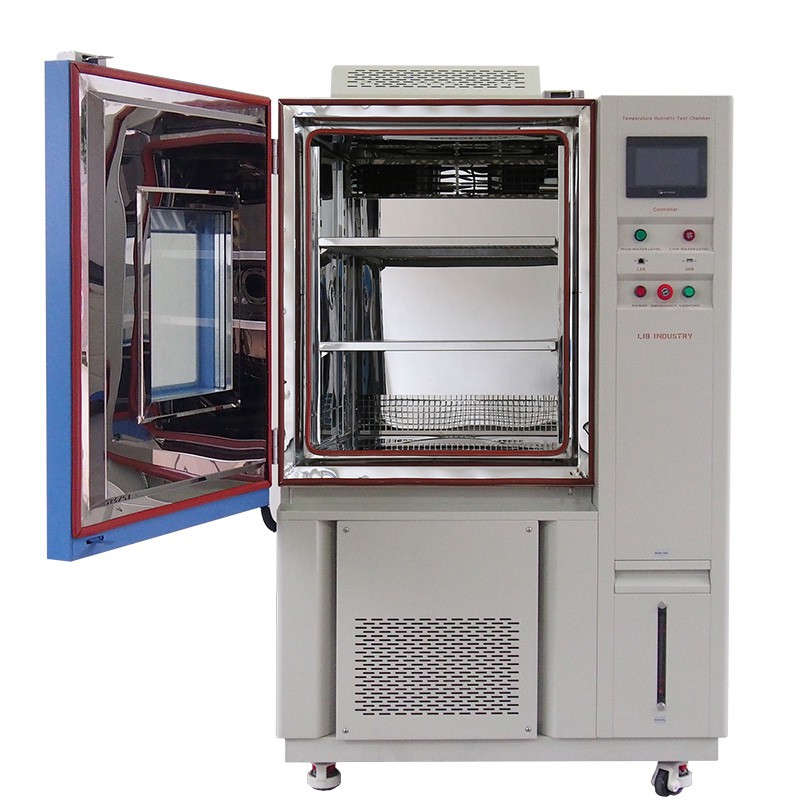

For example, a chamber that is used 24/7 for continuous testing will require more frequent filter replacements, calibration, and seal inspections compared to a chamber that is used only occasionally. Additionally, the components in a frequently used chamber will degrade faster, leading to more frequent replacements.
6. Extending the Lifespan and Reducing Maintenance Costs
There are several strategies you can adopt to extend the lifespan of your Walk - In Environmental Chamber and reduce maintenance costs.
- Proper Training: Ensure that all operators of the chamber are properly trained. Incorrect operation can lead to unnecessary wear and tear on the components and may even cause damage to the chamber.
- Regular Inspections: Conduct regular visual inspections of the chamber to detect any signs of wear or damage early. This can help prevent minor issues from turning into major problems.
- Follow Manufacturer's Guidelines: Adhere to the manufacturer's recommended maintenance schedule and procedures. This will ensure that the chamber is maintained in optimal condition.
7. Our Product Range and Their Maintenance Considerations
At our company, we offer a wide range of Walk - In Environmental Chambers, including Temperature Humidity Environmental Chamber, Temperature Humidity Cycling Chamber, and Temperature Humidity Vibration Test Chamber.
Each of these chambers has its unique features and maintenance requirements. For example, the Temperature Humidity Cycling Chamber is designed to simulate rapid changes in temperature and humidity, which may put more stress on the components compared to a standard Temperature Humidity Environmental Chamber. However, we ensure that all our chambers are built with high - quality materials and advanced technology to minimize maintenance costs over time.
Conclusion
When considering the purchase of a Walk - In Environmental Chamber, it's crucial to factor in the long - term maintenance costs. By understanding the various factors that influence these costs, such as initial investment, regular maintenance tasks, energy consumption, component replacement, and usage frequency, you can make an informed decision and better manage the total cost of ownership.
If you're interested in learning more about our Walk - In Environmental Chambers or have any questions regarding maintenance costs, we encourage you to contact us for a detailed discussion. Our team of experts is ready to assist you in finding the most suitable chamber for your needs and providing guidance on cost - effective maintenance strategies.
References
- Chamber Maintenance Handbook, [Manufacturer's Name]
- Energy Efficiency Guidelines for Environmental Test Chambers, Industry Association