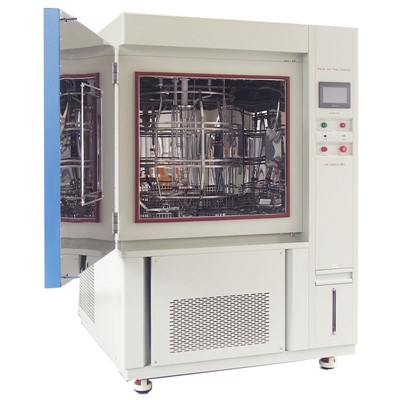


Hey there! As a supplier of thermal stress chambers, I've seen firsthand the importance of testing automotive parts in these chambers. Thermal stress chambers are designed to simulate extreme temperature conditions, which can help manufacturers identify potential issues with their products before they hit the market. In this blog post, I'll be discussing some of the common automotive parts that are tested in a thermal stress chamber.


Engine Components
The engine is the heart of a vehicle, and it's subjected to a wide range of temperatures and stresses. That's why engine components are some of the most commonly tested parts in a thermal stress chamber. Some of the engine components that are typically tested include:
- Cylinder Heads: Cylinder heads are responsible for sealing the combustion chamber and housing the valves and spark plugs. They're exposed to high temperatures and pressures, so it's important to test them to ensure they can withstand these conditions.
- Pistons: Pistons are the moving parts of the engine that convert the energy from the combustion process into mechanical energy. They're subjected to high temperatures and pressures, as well as friction and wear. Testing pistons in a thermal stress chamber can help identify potential issues with their design or materials.
- Valves: Valves are responsible for controlling the flow of air and fuel into the engine, as well as the exhaust gases out of the engine. They're exposed to high temperatures and pressures, as well as corrosion and wear. Testing valves in a thermal stress chamber can help ensure they're functioning properly and can withstand the harsh conditions of the engine.
Electrical Components
Modern vehicles are filled with electrical components, from the battery and alternator to the sensors and control modules. These components are essential for the proper functioning of the vehicle, but they're also sensitive to temperature changes. Testing electrical components in a thermal stress chamber can help identify potential issues with their performance or reliability. Some of the electrical components that are typically tested include:
- Batteries: Batteries are responsible for providing the electrical power needed to start the engine and run the vehicle's electrical systems. They're exposed to a wide range of temperatures, from extreme cold to extreme heat. Testing batteries in a thermal stress chamber can help ensure they can maintain their charge and performance under different temperature conditions.
- Alternators: Alternators are responsible for charging the battery and providing the electrical power needed to run the vehicle's electrical systems while the engine is running. They're exposed to high temperatures and vibrations, as well as electrical loads. Testing alternators in a thermal stress chamber can help identify potential issues with their performance or reliability.
- Sensors: Sensors are used to monitor various aspects of the vehicle's performance, such as the engine temperature, oil pressure, and tire pressure. They're exposed to a wide range of temperatures and environmental conditions, so it's important to test them to ensure they're functioning properly.
- Control Modules: Control modules are responsible for controlling various aspects of the vehicle's performance, such as the engine management system, transmission, and brakes. They're exposed to high temperatures and electrical loads, as well as vibrations and electromagnetic interference. Testing control modules in a thermal stress chamber can help identify potential issues with their performance or reliability.
Suspension and Steering Components
The suspension and steering components of a vehicle are responsible for providing a smooth and comfortable ride, as well as ensuring the vehicle can be steered safely. These components are subjected to a wide range of temperatures and stresses, from the heat generated by the brakes to the vibrations caused by the road surface. Testing suspension and steering components in a thermal stress chamber can help identify potential issues with their performance or reliability. Some of the suspension and steering components that are typically tested include:
- Shock Absorbers: Shock absorbers are responsible for damping the vibrations and shocks caused by the road surface, providing a smooth and comfortable ride. They're exposed to high temperatures and pressures, as well as friction and wear. Testing shock absorbers in a thermal stress chamber can help identify potential issues with their performance or reliability.
- Struts: Struts are similar to shock absorbers, but they also provide structural support for the vehicle's suspension system. They're exposed to high temperatures and pressures, as well as bending and torsional stresses. Testing struts in a thermal stress chamber can help identify potential issues with their performance or reliability.
- Ball Joints: Ball joints are used to connect the suspension components to the steering components, allowing the wheels to turn and the suspension to move. They're exposed to high temperatures and pressures, as well as friction and wear. Testing ball joints in a thermal stress chamber can help identify potential issues with their performance or reliability.
- Steering Rack: The steering rack is responsible for converting the rotational motion of the steering wheel into the linear motion needed to turn the wheels. It's exposed to high temperatures and pressures, as well as vibrations and mechanical loads. Testing the steering rack in a thermal stress chamber can help identify potential issues with its performance or reliability.
Interior and Exterior Components
The interior and exterior components of a vehicle are responsible for providing comfort, convenience, and aesthetics. These components are subjected to a wide range of temperatures and environmental conditions, from the heat of the sun to the cold of winter. Testing interior and exterior components in a thermal stress chamber can help identify potential issues with their performance or durability. Some of the interior and exterior components that are typically tested include:
- Seats: Seats are responsible for providing comfort and support for the vehicle's occupants. They're exposed to a wide range of temperatures and environmental conditions, as well as wear and tear. Testing seats in a thermal stress chamber can help identify potential issues with their comfort, durability, or safety.
- Dashboard: The dashboard is the control center of the vehicle, providing information and controls for the driver. It's exposed to a wide range of temperatures and environmental conditions, as well as sunlight and UV radiation. Testing the dashboard in a thermal stress chamber can help identify potential issues with its appearance, functionality, or durability.
- Doors and Windows: Doors and windows are responsible for providing access to the vehicle's interior, as well as ventilation and visibility. They're exposed to a wide range of temperatures and environmental conditions, as well as mechanical loads and impacts. Testing doors and windows in a thermal stress chamber can help identify potential issues with their performance, durability, or safety.
- Body Panels: Body panels are responsible for providing the vehicle's exterior appearance and protection. They're exposed to a wide range of temperatures and environmental conditions, as well as scratches, dents, and corrosion. Testing body panels in a thermal stress chamber can help identify potential issues with their appearance, durability, or corrosion resistance.
Why Choose Our Thermal Stress Chambers?
At our company, we specialize in providing high-quality thermal stress chambers for a wide range of industries, including the automotive industry. Our thermal stress chambers are designed to simulate extreme temperature conditions, from -40°C to 120°C, with precise temperature control and uniform temperature distribution. We offer a variety of chamber sizes and configurations to meet the specific needs of our customers, as well as a range of optional features and accessories.
Some of the benefits of choosing our thermal stress chambers include:
- Precise Temperature Control: Our thermal stress chambers are equipped with advanced temperature control systems that allow for precise temperature regulation and stability. This ensures that your automotive parts are tested under accurate and consistent temperature conditions.
- Uniform Temperature Distribution: Our thermal stress chambers are designed to provide uniform temperature distribution throughout the chamber, ensuring that all of your automotive parts are exposed to the same temperature conditions. This helps to eliminate any potential temperature gradients that could affect the accuracy of your test results.
- Customizable Configurations: We offer a variety of chamber sizes and configurations to meet the specific needs of our customers. Whether you need a small benchtop chamber or a large walk-in chamber, we can provide a solution that fits your requirements.
- Optional Features and Accessories: Our thermal stress chambers are available with a range of optional features and accessories, such as humidity control, vibration testing, and data logging. These features can help to enhance the functionality and versatility of your thermal stress chamber, allowing you to perform more comprehensive testing on your automotive parts.
Conclusion
Testing automotive parts in a thermal stress chamber is an essential part of the product development process. By simulating extreme temperature conditions, manufacturers can identify potential issues with their products before they hit the market, ensuring that they're safe, reliable, and durable. At our company, we're committed to providing high-quality thermal stress chambers that meet the specific needs of our customers in the automotive industry. If you're interested in learning more about our thermal stress chambers or would like to discuss your testing requirements, please don't hesitate to [contact us for procurement and negotiation].
References
- Automotive Testing Technology International. (n.d.). Thermal Stress Testing of Automotive Components. Retrieved from [Website URL]
- SAE International. (n.d.). Thermal Management in Automotive Systems. Retrieved from [Website URL]
- Society of Automotive Engineers. (n.d.). Standards for Automotive Testing. Retrieved from [Website URL]