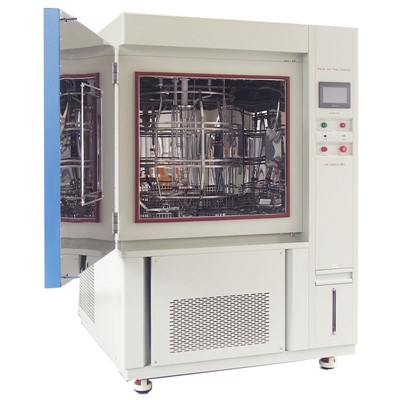



The IPX9K water spray test chamber plays a crucial role in simulating high - pressure, high - temperature water spray conditions to evaluate the waterproof performance of products. After each use, proper cleaning of this equipment is not only essential for maintaining its accuracy but also for extending its service life. As a seasoned IPX9K Water Spray Test Chamber supplier, I'll share some comprehensive and science - based cleaning methods in this blog.


Initial Inspection
Before starting the cleaning process, it's necessary to conduct an overall inspection of the IPX9K water spray test chamber. Carefully check for any visible debris, such as dust, dirt particles, or residues from the test samples. Look at the nozzles, water pipes, and the inner walls of the chamber. If there are large pieces of debris like loose test sample fragments, remove them by hand using gloves to avoid injury. This step helps to have a clear understanding of the chamber's condition and identify areas that require more intensive cleaning.
Draining the Water
The first technical step in cleaning the chamber is to drain all the water from the system. The test chamber usually has a drainage valve. Open this valve and let the water flow out completely. It's important to ensure that the drainage process is smooth and that no water is left stagnant in the pipes or the chamber bottom. This is because standing water can become a breeding ground for bacteria and algae, which could cause blockages and affect the accuracy of future tests. Once the water has drained, flush the chamber with a small amount of fresh water to remove any remaining sediment.
Cleaning the Chamber Interior
- Using a Mild Detergent Solution: Prepare a mild detergent solution. Choose a detergent that is non - corrosive and suitable for use with the materials of the chamber. For most IPX9K water spray test chambers, a solution of mild dish soap and warm water is a good choice. Use a soft sponge or a microfiber cloth to soak up the detergent solution and gently wipe the inner walls, floor, and ceiling of the chamber. Pay special attention to areas where dirt and residues tend to accumulate, such as corners and around the nozzles.
- Scrubbing Stubborn Stains: For stubborn stains that cannot be removed by simply wiping, you can use a soft - bristle brush. Dip the brush in the detergent solution and gently scrub the stained area in a circular motion. Avoid using hard - bristle brushes or abrasive materials as they can scratch the chamber surface, which may cause rusting or affect the test results.
- Rinsing Thoroughly: After scrubbing, rinse the entire chamber with a large amount of clean water. Make sure to remove all traces of the detergent to prevent it from interfering with future tests. You can use a garden hose or a pressure washer on a low - pressure setting for more thorough rinsing.
Cleaning the Nozzles
Nozzles are critical components of the IPX9K water spray test chamber, and their proper functioning is essential for accurate testing.
- Removing the Nozzles: First, carefully remove the nozzles according to the manufacturer's instructions. Usually, they can be unscrewed or detached with specific tools.
- Soaking in a Cleaning Solution: Soak the nozzles in a cleaning solution. A solution of vinegar and water can be very effective in dissolving mineral deposits and clogging substances. Let the nozzles soak for at least 30 minutes to an hour.
- Brushing and Rinsing: After soaking, use a small, soft - bristle brush to gently clean the inside and outside of the nozzles. This will help to dislodge any remaining debris. Rinse the nozzles thoroughly with clean water and then reinstall them in the chamber, ensuring they are correctly fixed.
Cleaning the Water Circulation System
The water circulation system includes pipes, pumps, and filters. Regular cleaning of this system is vital to maintain proper water flow and prevent blockages.
- Flushing the Pipes: Start by flushing the pipes with clean water. You can use a high - pressure water source to force out any accumulated debris. If possible, reverse the water flow direction during flushing to ensure a more thorough cleaning.
- Checking and Cleaning the Pump: Inspect the pump for any signs of wear or damage. Remove the pump cover and clean the internal components gently. Use a soft brush to clear any dirt or debris from the impeller and other parts. If there are any damaged parts, replace them promptly.
- Replacing Filters: Filters are designed to trap dirt and particles in the water. Over time, they can become clogged and reduce water flow. Check the filters regularly and replace them when they are dirty. Follow the manufacturer's guidelines for the correct type and replacement interval of the filters.
Drying the Chamber
After cleaning, it's important to dry the IPX9K water spray test chamber thoroughly to prevent rust and mold growth.
- Using Absorbent Materials: Use absorbent towels or mops to soak up as much water as possible from the chamber surface. Pay attention to hard - to - reach areas.
- Air Circulation: Open the chamber door and use a fan to increase air circulation inside the chamber. This will help to speed up the drying process. You can also use a dehumidifier in the room where the chamber is located to reduce humidity and promote drying.
Regular Maintenance and Records
In addition to the cleaning process after each use, establish a regular maintenance schedule for the IPX9K water spray test chamber. This includes periodic checking of the equipment's performance, calibration of sensors, and replacement of worn - out parts. Keep detailed records of all cleaning and maintenance activities, including dates, procedures performed, and any issues encountered. These records can help you track the equipment's condition over time and plan for future maintenance needs.
Importance of Proper Cleaning
Properly cleaning the IPX9K water spray test chamber after each use ensures accurate test results. Contaminants and debris can affect the water pressure, temperature, and spray pattern, leading to unreliable waterproof ratings for tested products. Moreover, regular cleaning extends the equipment's service life, reducing the frequency of replacements and saving on costs in the long run. It also helps maintain a safe working environment by preventing the growth of harmful bacteria and fungi.
Other Related Test Chambers
We also offer a range of related test chambers in addition to the IPX9K water spray test chamber. For example, our IP56 Waterproof Chamber is designed to simulate a less severe waterproof environment compared to the IPX9K standard but is still crucial for many products. The IP65 Waterproof Test Chamber is another popular option that provides reliable waterproof testing. And if you are interested in more advanced IPX9K testing, our IPX9K Test Equipment offers comprehensive solutions.
If you are in the market for high - quality IPX9K water spray test chambers or related equipment, and you want to know more about our products, their features, and prices, please feel free to get in touch with us. We are always ready to provide you with professional advice and detailed product information to help you make the best - suited choice for your testing needs.
References
- Manufacturer's manual of IPX9K water spray test chamber
- Literature on the maintenance of industrial testing equipment
- Industry standards related to waterproof testing and equipment cleaning