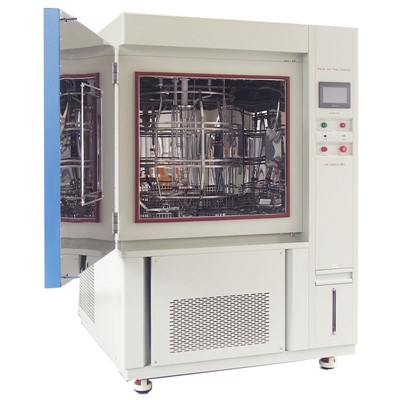


Hey there! As a supplier of Xenon Weathering Test Chambers, I've seen firsthand how crucial it is to optimize test efficiency. In this blog, I'll share some tips and tricks to help you get the most out of your Xenon Weathering Test Chamber.
Understanding the Basics of Xenon Weathering Testing
Before we dive into optimization, let's quickly go over what xenon weathering testing is all about. Xenon weathering test chambers simulate the effects of natural sunlight, rain, and dew on materials. They use a xenon arc lamp to produce a spectrum of light that closely mimics that of natural sunlight, including ultraviolet (UV) and visible light. This helps to accelerate the aging process of materials, allowing you to evaluate their durability and performance over time.
Now, let's get into the nitty - gritty of how to optimize the test efficiency.
1. Calibration and Maintenance
Regular calibration and maintenance are the backbone of efficient testing. A poorly calibrated chamber can produce inaccurate results, wasting both time and resources. Make sure to calibrate the chamber's temperature, humidity, and light intensity sensors regularly according to the manufacturer's guidelines.
For example, if the light intensity is not calibrated correctly, the test may not accurately represent the real - world exposure. This could lead to over - or under - estimation of the material's weathering resistance.
In addition to calibration, perform routine maintenance tasks such as cleaning the xenon arc lamp, filters, and water systems. A dirty lamp can reduce the intensity of the light, and clogged filters can affect the air circulation and humidity control in the chamber.
2. Sample Preparation
Proper sample preparation is key to obtaining reliable test results. Cut your samples to the appropriate size and shape as recommended by the test standards. Ensure that the samples are clean and free from any contaminants, as these can interfere with the test results.
If you're testing different types of materials together, make sure they are compatible and won't react with each other during the test. Group similar materials together to ensure consistent testing conditions for each set of samples.
3. Test Parameter Setting
Select the right test parameters based on the specific requirements of your materials and the intended application. The intensity of the light, temperature, humidity, and cycle time are all important factors to consider.
For materials that are used in outdoor applications, a higher light intensity and longer exposure time may be required to simulate long - term sunlight exposure. On the other hand, if you're testing materials for indoor use, a lower light intensity and shorter cycle time may be sufficient.
Don't be afraid to experiment with different parameter settings, but make sure to document every change you make. This way, you can analyze the results and determine the optimal settings for your specific testing needs.
4. Software and Automation
Many modern Xenon Weathering Test Chambers come with advanced software that allows you to automate the testing process. Take advantage of these features to save time and reduce human error.
With automation, you can set the test parameters once and let the chamber run the test without constant supervision. The software can also record and analyze the test data in real - time, providing you with detailed reports and graphs. This makes it easier to assess the performance of your materials and make informed decisions.


5. Batch Testing
If you have multiple samples to test, consider batch testing. This involves testing several samples at the same time in the chamber. By doing so, you can significantly reduce the overall testing time.
However, make sure to arrange the samples properly in the chamber to ensure uniform exposure to light, temperature, and humidity. Overcrowding the chamber can lead to uneven testing conditions and inaccurate results.
Related Products
If you're interested in other types of weathering test equipment, we also offer UV Climate Resistant Aging Test Chamber, UV Weather Resistance Test Chamber, and Accelerated Weathering Test Equipment. These products provide different testing capabilities and can be a great addition to your testing setup.
Conclusion
Optimizing the test efficiency of a Xenon Weathering Test Chamber requires a combination of proper calibration, sample preparation, parameter setting, software utilization, and smart testing strategies. By following these tips, you can not only save time and resources but also obtain more accurate and reliable test results.
If you're looking to upgrade your weathering test equipment or have any questions about optimizing the testing process, feel free to reach out. We're here to help you make the most of your testing and ensure the quality of your materials.
References
- ASTM International. Standard Practices for Xenon - Arc Exposure Apparatus (with and without Water for Exposure of Non - metallic Materials).
- ISO. Plastics -- Methods of Exposure to Laboratory Light Sources -- Part 2: Xenon - arc lamps.