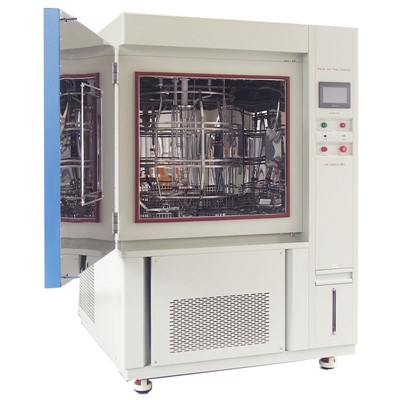


When it comes to evaluating the corrosion resistance of materials and coatings, the salt fog test is a widely recognized and crucial method. As a leading supplier of salt fog chambers, I've had numerous discussions with clients about the cost implications of conducting salt fog tests. In this blog post, I'll delve into the various factors that contribute to the cost of a salt fog test in a salt fog chamber and provide insights to help you make informed decisions.
Understanding the Salt Fog Test
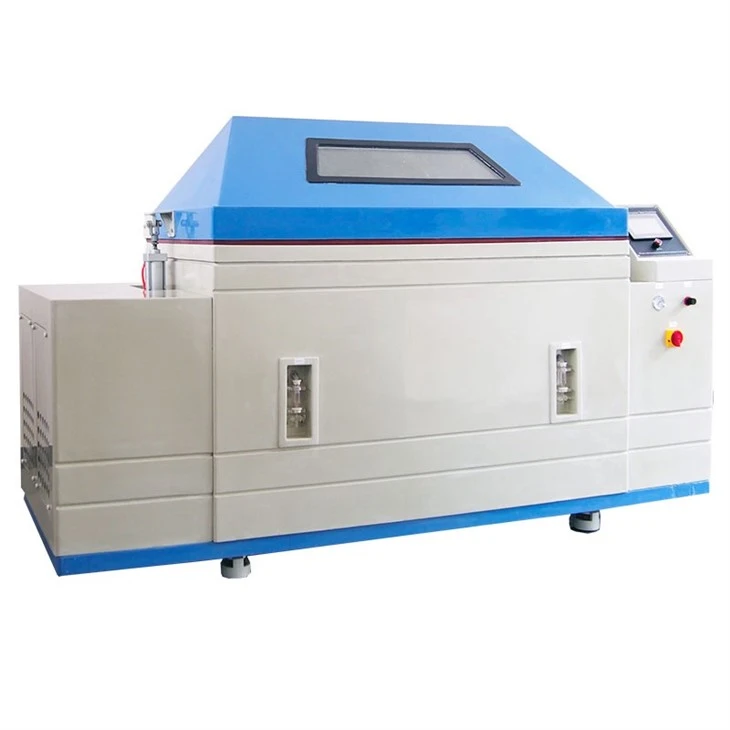
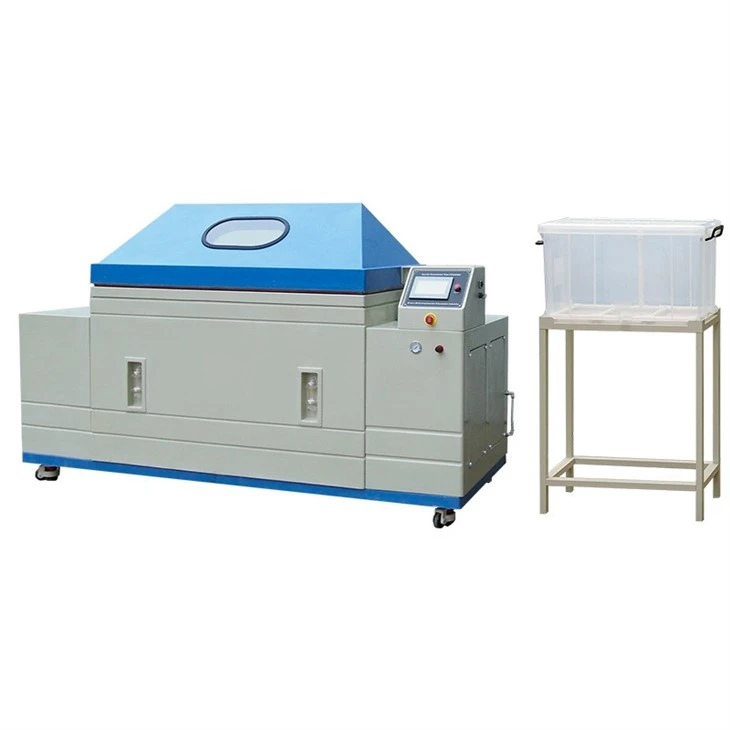
Before we explore the costs, let's briefly understand what a salt fog test entails. The salt fog test, also known as the salt spray test, is a standardized method used to simulate harsh environmental conditions and evaluate the corrosion resistance of materials and coatings. In a Salt Spray Test Chamber, a controlled environment is created where a fine mist of saltwater is sprayed onto the test specimens. The specimens are then observed over a specified period to assess the extent of corrosion.
Factors Affecting the Cost of a Salt Fog Test
1. Equipment Purchase or Rental
The first significant cost factor is the acquisition of a salt fog chamber. You have two options: purchasing or renting the equipment. Buying a Salt Fog Test Chamber involves a substantial upfront investment. The price can vary widely depending on the chamber's size, features, and brand. Smaller, basic models may cost a few thousand dollars, while larger, more advanced chambers with precise control systems and additional features can cost tens of thousands of dollars.
On the other hand, renting a salt fog chamber can be a more cost - effective option for short - term or occasional testing needs. Rental costs are typically calculated on a daily, weekly, or monthly basis. However, over an extended period, renting may end up being more expensive than purchasing.
2. Operational Costs
Once you have the salt fog chamber, there are several ongoing operational costs to consider.
- Salt Solution: The salt solution used in the test is a recurring expense. The quality and concentration of the salt solution can affect the test results, so it's essential to use high - quality salt. The cost of salt and water used to prepare the solution depends on the volume required by the chamber and the frequency of testing.
- Energy Consumption: Salt fog chambers require energy to operate. They need to maintain a specific temperature, humidity, and spray pressure. The energy consumption depends on the size and type of the chamber. Larger chambers and those with more advanced control systems generally consume more energy, leading to higher electricity bills.
- Maintenance and Calibration: Regular maintenance is crucial to ensure the accurate and reliable operation of the salt fog chamber. This includes cleaning the chamber, checking the spray nozzles, and replacing worn - out parts. Additionally, the chamber needs to be calibrated periodically to meet the relevant standards. Maintenance and calibration costs can vary depending on the complexity of the equipment and the frequency of service.
3. Labor Costs
Conducting a salt fog test requires trained personnel. The labor costs include the time spent on preparing the test specimens, setting up the chamber, monitoring the test, and analyzing the results. If you don't have in - house expertise, you may need to hire external consultants or testing laboratories, which can significantly increase the overall cost of the test.
4. Testing Time
The duration of the salt fog test is another important cost factor. The test time can range from a few hours to several weeks or even months, depending on the specific requirements of the standard or the product being tested. Longer test times mean more energy consumption, more salt solution usage, and more labor hours, all of which contribute to higher costs.
Cost - Saving Strategies
1. Optimize Equipment Selection
When choosing a salt fog chamber, carefully evaluate your testing needs. Don't over - invest in features that you don't require. For example, if you only need to conduct basic salt fog tests, a smaller, less expensive chamber may be sufficient. On the other hand, if you need to perform more complex cyclic tests, consider a Cyclic Salt Fog Corrosion Cabinet that can provide more accurate and comprehensive results.
2. Efficient Operation
To reduce operational costs, you can implement energy - saving measures. For example, you can set the chamber to operate during off - peak hours when electricity rates are lower. Additionally, proper maintenance can help improve the energy efficiency of the chamber and reduce the frequency of breakdowns.
3. Training and Automation
Invest in training your staff to conduct the salt fog test efficiently. Well - trained personnel can reduce the time spent on each test and minimize errors. You can also consider automating some of the testing processes to further improve efficiency and reduce labor costs.
Conclusion
The cost of a salt fog test in a salt fog chamber is influenced by multiple factors, including equipment purchase or rental, operational costs, labor costs, and testing time. By understanding these factors and implementing cost - saving strategies, you can manage the cost of your salt fog testing program effectively.
As a salt fog chamber supplier, we are committed to providing high - quality equipment and professional services to meet your testing needs. Whether you are looking for a basic Salt Spray Test Chamber or a more advanced Cyclic Salt Fog Corrosion Cabinet, we have the right solution for you. If you are interested in learning more about our products or discussing your specific requirements, please feel free to contact us. We look forward to working with you to achieve accurate and cost - effective salt fog testing.
References
- ASTM International. "Standard Practice for Operating Salt Spray (Fog) Apparatus." ASTM B117 - 19.
- ISO. "Corrosion tests in artificial atmospheres -- Salt spray tests." ISO 9227:2017.