


As a supplier of xenon chambers, I often encounter various questions from customers regarding the operation and safety of these devices. One of the frequently asked questions is whether xenon chambers require any special grounding. In this blog, I will delve into this topic, providing a comprehensive analysis based on scientific principles and industry standards.
Understanding Xenon Chambers
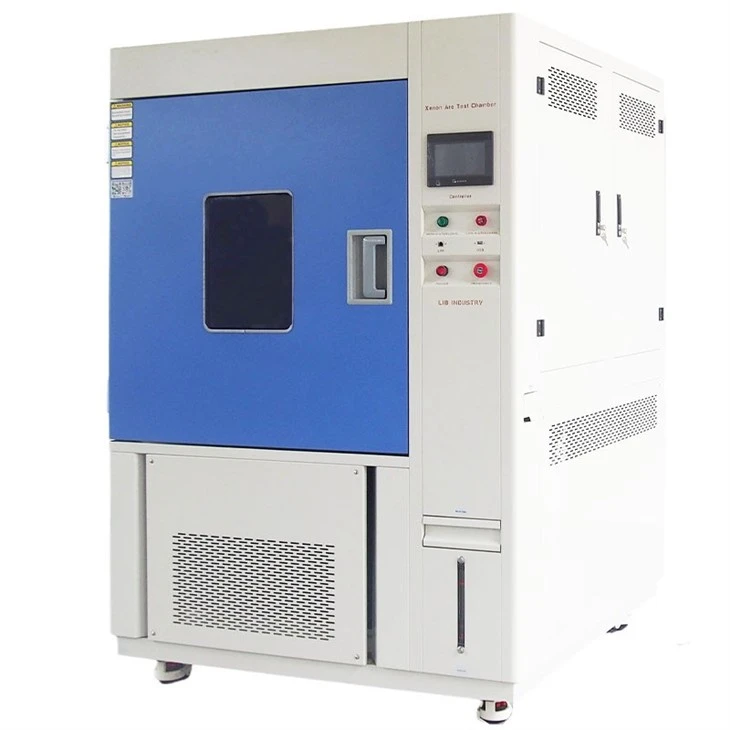
Xenon chambers, also known as xenon arc weatherometers, are used to simulate the effects of natural sunlight, including ultraviolet (UV) radiation, heat, and moisture, on various materials. These chambers are widely employed in industries such as automotive, aerospace, plastics, textiles, and coatings to test the durability and weather resistance of products.
The key component of a xenon chamber is the xenon arc lamp, which emits a broad spectrum of light that closely mimics natural sunlight. The lamp generates a significant amount of heat and electrical energy during operation. Therefore, ensuring the safe and efficient functioning of the chamber is crucial.
The Importance of Grounding
Grounding is a fundamental safety measure in electrical systems. It provides a low - resistance path for electrical current to flow into the ground in case of a fault, such as a short - circuit. This helps to prevent electrical shock to users and damage to the equipment.
In the context of xenon chambers, grounding is essential for several reasons. Firstly, the high - voltage electrical components in the xenon arc lamp and the power supply system pose a risk of electrical shock. A proper grounding system can quickly dissipate the fault current, reducing the potential for harm to operators.
Secondly, grounding helps to protect the sensitive electronic control systems in the xenon chamber. Electrical interference, such as electromagnetic interference (EMI) and radio - frequency interference (RFI), can disrupt the normal operation of the control circuits and affect the accuracy of the test results. A well - grounded system can act as a shield, reducing the impact of these interferences.
Special Grounding Requirements for Xenon Chambers
While grounding is a standard safety practice for most electrical equipment, xenon chambers do have some special grounding requirements due to their unique operating conditions.
High - Voltage and High - Power Operation
Xenon arc lamps typically operate at high voltages, often in the range of several thousand volts. The power consumption of these lamps can also be quite high, depending on the size and specifications of the chamber. Therefore, the grounding system must be able to handle the large fault currents that may result from a short - circuit in the high - voltage section.
A dedicated grounding conductor with sufficient cross - sectional area is required to ensure low - resistance grounding. The National Electrical Code (NEC) and other relevant electrical safety standards provide guidelines on the sizing of grounding conductors based on the electrical load and the type of equipment.
EMI and RFI Shielding
As mentioned earlier, xenon chambers generate significant electromagnetic and radio - frequency interference during operation. To minimize the impact of this interference on the surrounding environment and other equipment, the chamber should be properly grounded to act as an effective shield.
This often involves using a conductive enclosure for the chamber and ensuring that it is connected to the grounding system. Additionally, the power cables and signal cables should be shielded, and the shields should be grounded at both ends to provide a continuous path for the interference currents.
Static Electricity Discharge
During the operation of the xenon chamber, static electricity can build up on the surfaces of the chamber and the test samples. Static electricity can cause damage to the sensitive electronic components in the chamber and may also pose a fire hazard in some cases.
A proper grounding system can help to dissipate the static electricity, preventing its accumulation. This can be achieved by using grounding straps or conductive materials in the chamber and ensuring that they are connected to the grounding system.
Industry Standards and Best Practices
To ensure the safety and reliability of xenon chambers, several industry standards and best practices have been established. These standards provide guidelines on the design, installation, and maintenance of grounding systems for xenon chambers.
The International Electrotechnical Commission (IEC) has published standards such as IEC 61010 - 1, which covers the safety requirements for electrical equipment for measurement, control, and laboratory use. These standards specify the minimum requirements for grounding, including the grounding conductor size, grounding resistance, and the connection methods.
In addition to following the relevant standards, it is also important to conduct regular inspections and maintenance of the grounding system. This includes checking the integrity of the grounding connections, measuring the grounding resistance, and ensuring that the grounding conductor is not damaged or corroded.
Our Xenon Chamber Products
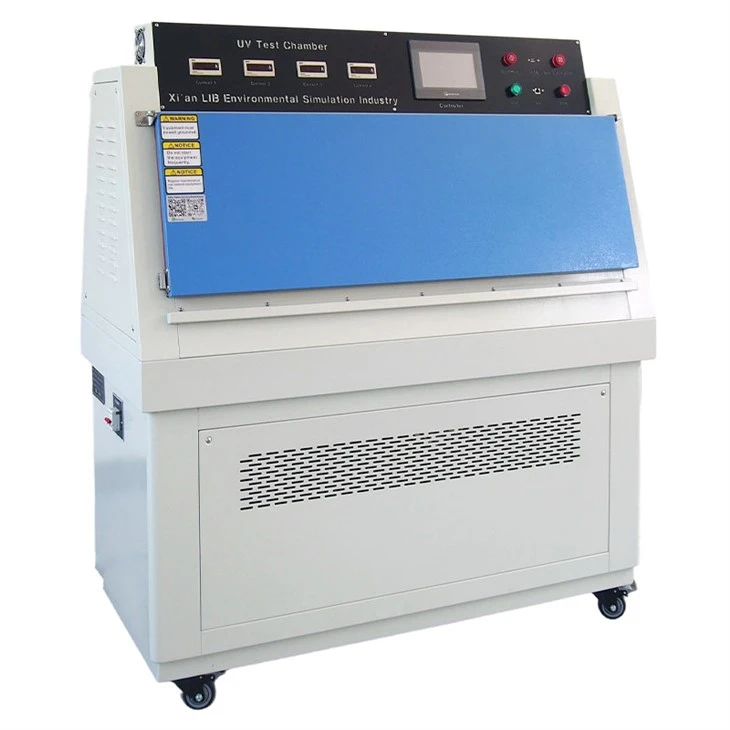
We offer a wide range of xenon chamber products to meet the diverse needs of our customers. Our UVA UVB UVC Lamp Degradation Test Device is designed to accurately simulate the degradation of lamps under different UV spectra. It is equipped with advanced control systems and a reliable grounding system to ensure safe and accurate testing.
Our Xenon Weatherometer is a high - performance device that can simulate a variety of weather conditions, including sunlight, rain, and humidity. It is suitable for testing the weather resistance of various materials, such as plastics, coatings, and textiles.
For customers who need to accelerate the aging process of materials, our UV Accelerated Aging Weathering Test Machine is an ideal choice. It can significantly reduce the testing time while providing reliable test results.
Conclusion
In conclusion, xenon chambers do require special grounding due to their high - voltage operation, electromagnetic interference generation, and static electricity build - up. A proper grounding system is essential for the safety of operators, the protection of equipment, and the accuracy of test results.
As a professional xenon chamber supplier, we are committed to providing high - quality products that meet the strictest safety and performance standards. Our products are designed with advanced grounding systems to ensure reliable operation.
If you are interested in our xenon chamber products or have any questions about grounding requirements, please feel free to contact us for further discussion and procurement negotiation. We are looking forward to serving you and helping you with your testing needs.
References
- International Electrotechnical Commission (IEC). IEC 61010 - 1: Safety requirements for electrical equipment for measurement, control, and laboratory use - Part 1: General requirements.
- National Fire Protection Association (NFPA). National Electrical Code (NEC).


