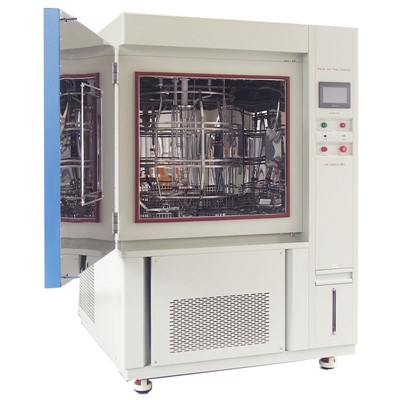


As a supplier of ASTM G155 Test Chambers, I am often asked whether these chambers can be used for electronic component testing. This question is not only relevant but also crucial for industries that rely heavily on electronic components, such as automotive, aerospace, and consumer electronics. In this blog post, I will explore the capabilities of ASTM G155 Test Chambers and their applicability to electronic component testing.
Understanding the ASTM G155 Test Chamber
The ASTM G155 standard is designed to provide a method for operating xenon - arc light - exposure apparatus with and without water for the purpose of predicting the weathering resistance of non - metallic materials. The ASTM G155 Test Chamber is a specialized piece of equipment that simulates the effects of sunlight, heat, and moisture on materials.
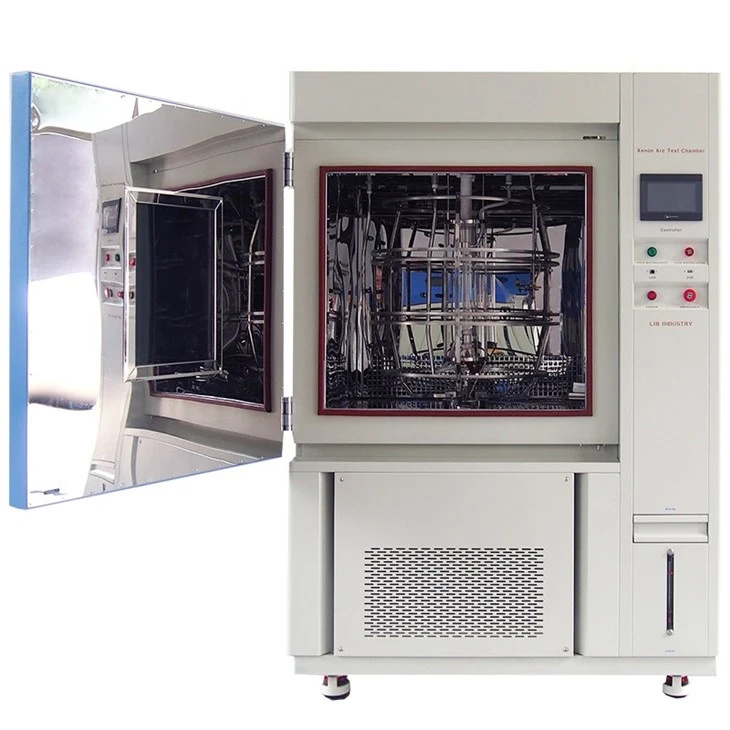
The chamber uses a xenon arc lamp to produce a spectrum of light that closely mimics natural sunlight, including ultraviolet (UV), visible, and infrared radiation. This is important because UV radiation is one of the primary causes of degradation in many materials, including plastics, coatings, and rubbers. In addition to light, the chamber can also control temperature and humidity, allowing for a more comprehensive simulation of real - world environmental conditions.

Electronic Component Testing Requirements
Electronic components are used in a wide range of applications, from simple household appliances to complex aerospace systems. These components need to be reliable and durable, even when exposed to harsh environmental conditions. Some of the key environmental factors that can affect electronic components include:
- Temperature: High temperatures can cause components to overheat, leading to reduced performance or even failure. Low temperatures can make components more brittle and increase the risk of cracking.
- Humidity: Moisture can cause corrosion of electronic contacts, short - circuits, and the growth of mold and mildew, which can all damage components.
- UV Radiation: UV radiation can degrade the outer protective coatings of electronic components, making them more susceptible to moisture and other environmental factors.
Can an ASTM G155 Test Chamber Meet These Requirements?
The answer is yes, an ASTM G155 Test Chamber can be a valuable tool for testing electronic components. Here's how:
Temperature and Humidity Control
ASTM G155 Test Chambers are equipped with advanced temperature and humidity control systems. They can simulate a wide range of temperature and humidity conditions, allowing manufacturers to test how electronic components will perform in different climates. For example, if a component is designed for use in a tropical environment, the chamber can be set to high - temperature and high - humidity conditions to simulate those conditions.
UV Radiation Simulation
As mentioned earlier, UV radiation can damage electronic components. The xenon arc lamp in an ASTM G155 Test Chamber can produce a spectrum of light that includes UV radiation, which is essential for testing the long - term durability of components. By exposing components to UV radiation in a controlled environment, manufacturers can identify potential degradation issues and make necessary design improvements.
Real - World Simulation
The ability to simulate multiple environmental factors simultaneously is one of the key advantages of using an ASTM G155 Test Chamber for electronic component testing. In real - world scenarios, electronic components are often exposed to a combination of sunlight, heat, and moisture. The chamber can replicate these conditions, providing a more accurate assessment of component performance and reliability.
Advantages of Using an ASTM G155 Test Chamber for Electronic Component Testing
- Cost - Effective: Conducting real - world field tests can be time - consuming and expensive. Using an ASTM G155 Test Chamber allows manufacturers to accelerate the testing process and reduce costs.
- Consistent Results: The chamber provides a controlled environment, which means that test results are more consistent and reliable compared to field tests, where environmental conditions can vary widely.
- Early Detection of Issues: By testing components in a simulated environment, manufacturers can detect potential issues early in the design process, allowing for timely modifications and improvements.
Limitations and Considerations
While an ASTM G155 Test Chamber offers many benefits for electronic component testing, there are also some limitations and considerations:
- Complexity of Electronic Components: Electronic components can be very complex, and their performance can be affected by a variety of factors that may not be fully captured in a chamber test. For example, the electrical and mechanical interactions between different components may not be accurately replicated.
- Test Duration: Some degradation processes may take a long time to occur, and it may be difficult to simulate long - term exposure in a reasonable amount of time. However, accelerated testing techniques can be used to some extent to address this issue.
Other Related Test Chambers
In addition to the ASTM G155 Test Chamber, there are other types of test chambers that can be used for electronic component testing. The Xenon Arc Test Chamber is similar to the ASTM G155 Test Chamber but may have different specifications and capabilities. The UV Weathering Test Chamber is specifically designed to focus on the effects of UV radiation on materials.
Conclusion
In conclusion, an ASTM G155 Test Chamber can be effectively used for electronic component testing. It provides a controlled environment for simulating the effects of sunlight, temperature, and humidity, which are important factors in determining the durability and reliability of electronic components. While there are some limitations, the benefits of using such a chamber, including cost - effectiveness, consistent results, and early issue detection, make it a valuable tool for manufacturers.
If you are interested in learning more about our ASTM G155 Test Chambers or have any questions about electronic component testing, please feel free to contact us for a detailed discussion and to explore potential purchasing options. We are committed to providing high - quality testing solutions to meet your specific requirements.
References
- ASTM International. (2023). Standard Practice for Operating Xenon Arc Light Apparatus for Exposure of Non - metallic Materials. ASTM G155 - 23.
- Smith, J. (2022). Environmental Testing of Electronic Components. Journal of Electronic Testing, 38(2), 123 - 135.
- Brown, A. (2021). The Role of Simulation in Electronic Component Reliability Testing. Proceedings of the 15th International Conference on Electronic Reliability, 45 - 52.