



Hey there! As a supplier of dust chambers, I often get asked about what materials these chambers are made of. It's a pretty important question, because the materials used can significantly impact the performance, durability, and overall quality of the dust chamber. So, let's dive right in and explore the various materials commonly used in the construction of dust chambers.

Stainless Steel
One of the most popular materials for dust chambers is stainless steel. And for good reason! Stainless steel is known for its excellent corrosion resistance, which is crucial when dealing with dust and other contaminants. In a dust chamber, the interior is constantly exposed to dust particles, and over time, these particles can cause corrosion if the material isn't resistant. Stainless steel can withstand this exposure without rusting or deteriorating, ensuring the longevity of the chamber.
Another great thing about stainless steel is its strength. It can handle the rigors of repeated use and the pressure changes that might occur during testing. Whether it's a Dust Ingress Test Chamber or a Dust Proof Test Chamber, stainless steel provides the structural integrity needed to maintain a stable testing environment.
Moreover, stainless steel is easy to clean. After each test, you can simply wipe down the interior of the chamber to remove any dust residue. This not only helps in maintaining the accuracy of future tests but also prevents cross - contamination between different test samples.
Aluminum
Aluminum is another material that's frequently used in dust chamber construction. It's lightweight, which makes it easier to transport and install the dust chambers. This is especially beneficial if you need to move the chamber around your facility or if you're shipping it to a customer.
Aluminum also has good corrosion resistance. While it may not be as corrosion - resistant as stainless steel in all environments, it can still hold up well in most dust chamber applications. It forms a thin oxide layer on its surface when exposed to air, which acts as a protective barrier against further corrosion.
In addition, aluminum is a good conductor of heat. This property can be useful in dust chambers, as it can help in maintaining a uniform temperature distribution inside the chamber. A consistent temperature is important for accurate testing results, and the heat - conducting properties of aluminum can contribute to achieving this.
Polycarbonate
Polycarbonate is often used for the viewing windows of dust chambers. It's a transparent thermoplastic that offers several advantages. First of all, it has excellent impact resistance. This means that it can withstand the occasional bump or knock without cracking or shattering. In a dust chamber, the viewing window needs to be able to endure the movement of equipment and the potential impact of dust particles without getting damaged.
Polycarbonate also provides good optical clarity. This is essential for operators to observe the testing process inside the chamber. They need to be able to clearly see the test samples and any changes that occur during the test. With its high - quality transparency, polycarbonate allows for easy visual inspection.
Furthermore, polycarbonate is resistant to many chemicals. This is important because the dust used in the chamber may contain various substances, and the viewing window needs to be able to resist any chemical reactions that could cloud or damage it.
Sealing Materials
The sealing materials used in dust chambers are also crucial. They prevent dust from leaking out of the chamber during testing, ensuring a safe and accurate test environment. Silicone rubber is a common choice for seals. It has good flexibility, which allows it to form a tight seal around the doors and other openings of the chamber.
Silicone rubber is also resistant to high temperatures and chemicals. In a dust chamber, the temperature can vary depending on the testing requirements, and the seal needs to be able to maintain its integrity under these conditions. Additionally, it can withstand exposure to the dust and any cleaning agents used in the chamber.
Dust - Related Materials
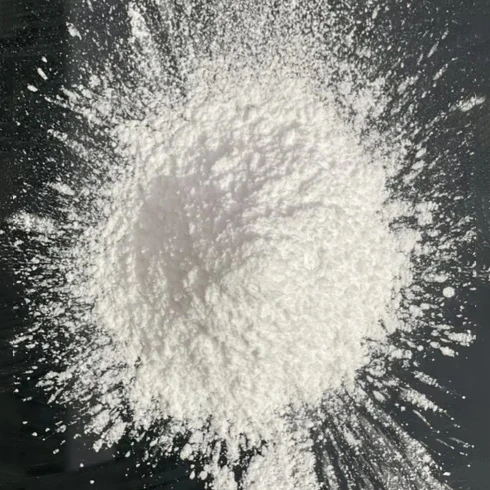
When it comes to the dust itself, Dust Chamber Talcum Powder is often used. Talcum powder is a soft, white powder that is ideal for dust testing. It has a consistent particle size, which is important for accurate testing. Different products may need to be tested against specific dust particle sizes, and talcum powder can be selected or processed to meet these requirements.
It's also relatively inexpensive and widely available. This makes it a practical choice for dust chambers, especially for companies that need to conduct frequent tests.
Other Considerations
In addition to the main materials, there are also other components in a dust chamber that are made of various materials. For example, the fans and blowers used to circulate the dust are often made of plastic or metal. Plastic is lightweight and can be molded into the desired shape, while metal provides strength and durability.
The control panels and electrical components are made of materials that can withstand the electrical currents and environmental conditions inside the chamber. They need to be reliable and safe to ensure the proper operation of the dust chamber.
Why It Matters
The choice of materials in a dust chamber is not just about durability and performance. It also affects the cost of the chamber. Stainless steel, for instance, is more expensive than aluminum, but it offers better long - term value due to its superior corrosion resistance. When choosing a dust chamber, you need to balance your budget with your testing requirements.
The quality of the materials also impacts the accuracy of your test results. If the chamber is made of low - quality materials that corrode or degrade easily, it can introduce errors into the testing process. This can lead to inaccurate assessments of your products' dust resistance.
Contact Us for Your Dust Chamber Needs
If you're in the market for a dust chamber, whether it's a Dust Ingress Test Chamber or a Dust Proof Test Chamber, we're here to help. We use high - quality materials in all our dust chambers to ensure reliable performance and accurate test results. Our team of experts can work with you to understand your specific testing requirements and recommend the best dust chamber for your needs.
Don't hesitate to reach out to us to start a conversation about your procurement. We're eager to assist you in finding the perfect dust chamber solution for your business.
References
- ASTM International standards on environmental testing chambers.
- Industry reports on materials used in testing equipment manufacturing.


