



Hey there! As a supplier of thermal stress chambers, I often get asked about the temperature range of these chambers. It's a crucial question because the temperature range determines the chamber's applicability in various testing scenarios. In this blog post, I'll break down the typical temperature ranges of thermal stress chambers, explain why they matter, and how they can benefit your specific testing needs.
Understanding Thermal Stress Chambers
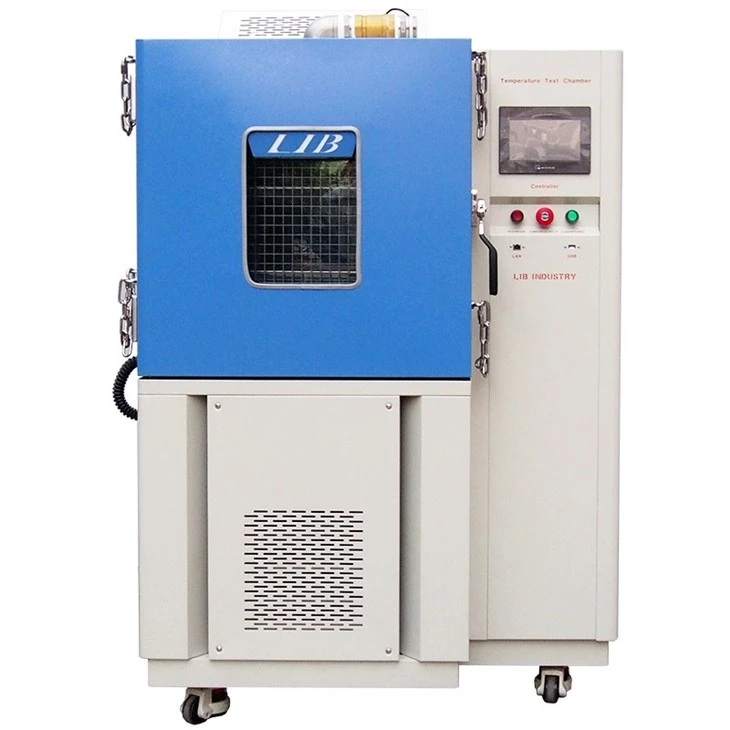
First off, let's quickly cover what a thermal stress chamber is. These chambers are used to simulate different environmental conditions, mainly temperature variations, to test the durability and performance of various products. Whether it's electronics, automotive parts, or even aerospace components, thermal stress chambers play a vital role in quality control and product development.
Typical Temperature Ranges
The temperature range of a thermal stress chamber can vary widely depending on the model and its intended use. Generally, the most common temperature ranges fall into three categories: low - temperature, medium - temperature, and high - temperature.
Low - Temperature Range
For many standard thermal stress chambers, the low - temperature range can go as low as - 40°C to - 20°C. Chambers with such low - temperature capabilities are ideal for testing products that will be used in cold environments, like outdoor electronics in winter or automotive components in cold climates. For instance, if you're testing a smartphone battery to see how it performs in freezing temperatures, a chamber with a low - temperature range down to - 40°C can provide accurate results.
Medium - Temperature Range
The medium - temperature range usually spans from around - 20°C to 80°C. This is a very versatile range that covers a wide variety of testing applications. Many consumer products, such as laptops, tablets, and household appliances, are tested within this temperature range. It can simulate normal daily temperature variations as well as some extreme conditions that these products might encounter during their lifespan.
High - Temperature Range
High - temperature thermal stress chambers can reach temperatures up to 150°C or even higher in some specialized models. These chambers are used for testing products that are exposed to high - heat environments, like industrial machinery, automotive engines, or components used in aerospace applications. For example, testing the heat resistance of a circuit board in an engine compartment requires a chamber with a high - temperature range.
Why the Temperature Range Matters
The temperature range of a thermal stress chamber is not just a random specification; it has a direct impact on the testing results and the overall quality of the products being tested.
Accurate Simulation
A wide temperature range allows for a more accurate simulation of real - world conditions. If a product is going to be used in a variety of climates, from the frozen Arctic to the scorching deserts, a thermal stress chamber with a broad temperature range can replicate these conditions and ensure that the product will perform reliably in all scenarios.
Product Development
During the product development phase, engineers need to test their designs under different temperature conditions to identify potential weaknesses. A chamber with the right temperature range can help them fine - tune the product's performance and improve its durability. For example, by testing a new battery design at different temperatures, engineers can optimize its charging and discharging efficiency.
Quality Control
In quality control, a thermal stress chamber with an appropriate temperature range is essential to ensure that every product leaving the factory meets the required standards. By subjecting products to extreme temperature conditions, manufacturers can catch any defects or failures early on and prevent faulty products from reaching the market.
Our Product Offerings
At our company, we offer a wide range of thermal stress chambers with different temperature ranges to meet the diverse needs of our customers.
We have the Thermal Cycling Test Chamber, which has a very flexible temperature range. It can cycle between low and high temperatures rapidly, allowing for comprehensive testing of products that need to withstand temperature changes. This chamber is great for testing electronic components that might experience sudden temperature fluctuations during use.
The UL 1642 Artificial Climate Control Chamber is another excellent option. It offers a precise temperature control within a medium - to high - temperature range. This chamber is often used for testing batteries and other energy - storage devices, as it can simulate the temperature conditions during charging and discharging processes.
Our Temperature Cycling Chamber is designed for long - term temperature cycling tests. It has a stable temperature range and can maintain consistent temperature changes over an extended period. This makes it suitable for testing products that need to endure repeated temperature cycles, such as automotive parts.

How to Choose the Right Temperature Range
When choosing a thermal stress chamber, it's important to consider the specific requirements of your testing. Here are some factors to keep in mind:
Product Application
Think about where the product will be used. If it's for outdoor use in cold regions, you'll need a chamber with a low - temperature range. If it's an industrial product that operates in high - heat environments, a high - temperature chamber is necessary.
Testing Standards
Some industries have specific testing standards that require products to be tested within certain temperature ranges. Make sure to check these standards and choose a chamber that can meet them.
Budget
Chambers with wider temperature ranges or more precise temperature control usually come at a higher cost. You need to balance your testing requirements with your budget to find the most suitable chamber.
Conclusion
In conclusion, the temperature range of a thermal stress chamber is a critical factor that determines its usability and effectiveness in product testing. Whether you need a low - temperature chamber for cold - climate testing, a medium - temperature chamber for general consumer products, or a high - temperature chamber for industrial applications, there's a solution out there for you.
If you're interested in learning more about our thermal stress chambers or have specific testing requirements, don't hesitate to reach out to us. We're here to help you find the perfect chamber for your needs and ensure that your products are tested to the highest standards. Contact us today to start the procurement process and take your product testing to the next level.
References
- ASTM International. (2023). Standard practices for environmental testing.
- ISO. (2023). International standards for thermal testing of products.


