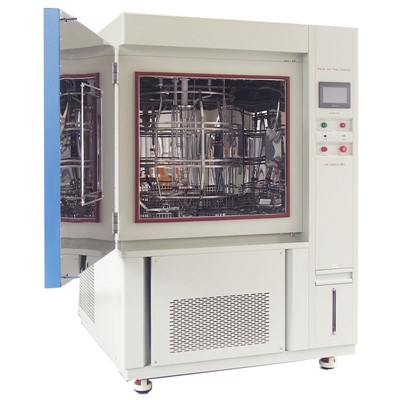



Hey there! I'm pumped to chat about how a thermal stress chamber can have a huge impact on the performance of electronic components. As a supplier of these awesome chambers, I've seen firsthand how they play a crucial role in the electronics industry.
Let's start by understanding what thermal stress is. Electronic components are made up of different materials, each with its own coefficient of thermal expansion. When the temperature changes, these materials expand or contract at different rates, creating stress within the component. This thermal stress can lead to all sorts of problems, like cracking, delamination, and solder joint failures.
A thermal stress chamber is designed to simulate extreme temperature conditions that electronic components might encounter in real - world scenarios. These chambers can quickly change the temperature, creating thermal cycles that put the components through a rigorous test. By subjecting the components to these conditions, we can predict how they'll perform over time and identify any potential weaknesses early on.
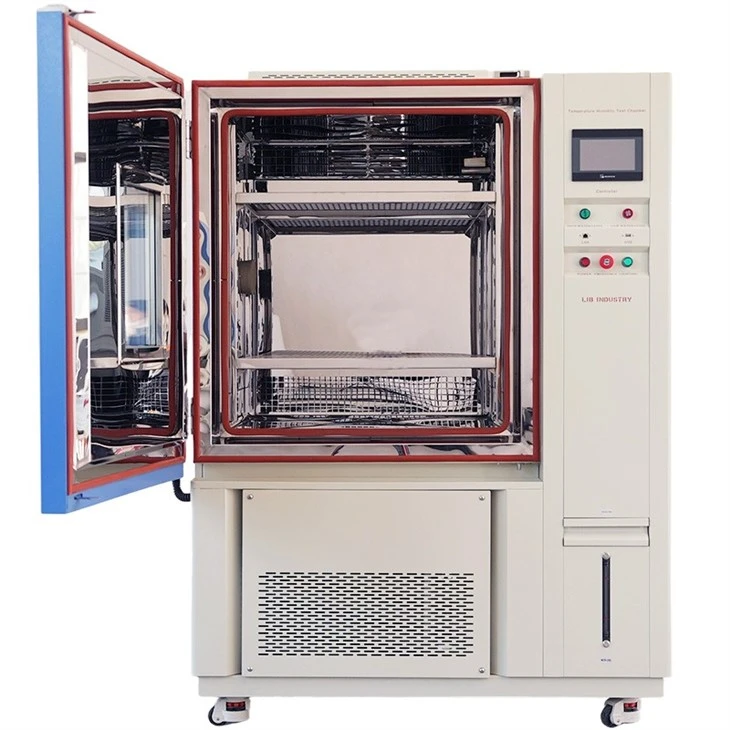

One of the main ways a thermal stress chamber affects the performance of electronic components is through the process of thermal cycling. During thermal cycling, the temperature inside the chamber is rapidly increased and decreased. This puts constant stress on the component's materials. For example, in a printed circuit board (PCB), the different layers of copper and fiberglass expand and contract at different rates. Over time, this can cause the copper traces to crack or the layers to delaminate.
The Thermal Cycling Test Chamber is specifically designed for this purpose. It can precisely control the temperature range and the rate of temperature change. This allows manufacturers to mimic different environmental conditions, such as the temperature fluctuations in a car engine compartment or an outdoor electronic device.
Another important aspect is the long - term endurance testing. Electronic components are often expected to work reliably for years. To ensure this, we use endurance testing in a thermal stress chamber. The Endurance Test Rapid Temperature Aging Chamber can simulate years of normal use in a relatively short period.
When a component is placed in an endurance test chamber, it's exposed to repeated cycles of high and low temperatures. This accelerated aging process helps to uncover any latent defects. For instance, a capacitor might start to lose its capacitance over time due to the thermal stress. By detecting these issues early, manufacturers can improve the design of the component or the manufacturing process.
The UL 1642 standard is also very important in the electronics industry. It sets the requirements for lithium - ion batteries and other energy storage devices. Our UL 1642 Artificial Climate Control Chamber is designed to meet these strict standards. It can create a controlled environment for testing these energy - storage components.
Batteries are particularly sensitive to temperature changes. High temperatures can cause the electrolyte in a battery to break down, reducing its capacity and lifespan. Low temperatures can increase the internal resistance of the battery, making it harder to charge and discharge. By using a UL 1642 - compliant chamber, manufacturers can ensure that their batteries meet the safety and performance requirements.
In addition to thermal cycling and endurance testing, a thermal stress chamber can also be used for humidity testing. Many electronic components are sensitive to moisture, and high humidity can cause corrosion and short - circuits. Some chambers can control both temperature and humidity, allowing for a more comprehensive test of the component's performance.
Now, let's talk about how all this testing benefits the end - users. When manufacturers use thermal stress chambers to test their electronic components, they can produce more reliable products. For example, in the automotive industry, reliable electronic components are essential for the safety and performance of the vehicle. A faulty sensor due to thermal stress could lead to incorrect readings and potentially dangerous situations.
In the consumer electronics market, users expect their devices to work flawlessly. Whether it's a smartphone, a laptop, or a smartwatch, these devices are often used in different temperature and humidity conditions. By using thermal stress chambers during the manufacturing process, companies can reduce the number of product returns and improve customer satisfaction.
As a supplier of thermal stress chambers, we're committed to providing high - quality products that meet the diverse needs of our customers. Our chambers are equipped with the latest technology to ensure accurate and reliable testing. We also offer excellent after - sales service, including maintenance and technical support.
If you're in the electronics manufacturing business, you know how important it is to ensure the quality and reliability of your products. A thermal stress chamber is an essential tool for achieving this. Whether you're testing small components or large assemblies, our chambers can provide the precise testing environment you need.
So, if you're interested in purchasing a thermal stress chamber for your business, don't hesitate to reach out. We're here to help you find the right solution for your specific requirements. Whether you need a chamber for thermal cycling, endurance testing, or humidity testing, we've got you covered. Let's start a conversation and see how we can work together to improve the performance of your electronic components.
References
- "Thermal Management in Electronic Systems" by Tuan Anh Pham
- "Reliability Engineering and Risk Analysis" by Kai - Ming Chang
- UL 1642 Standard Publications