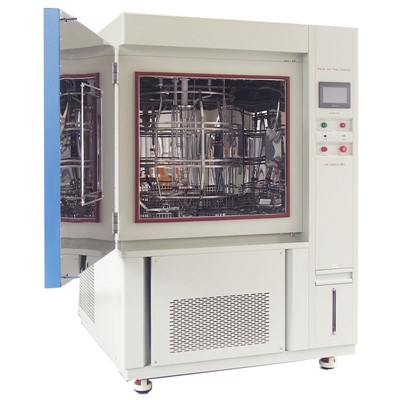


In the realm of material testing, the Xenon Arc Test Chamber stands as a cornerstone for evaluating the durability and performance of various materials under simulated sunlight exposure. As a leading supplier of Xenon Arc Test Chambers, we understand the critical role that accurate sunlight simulation plays in ensuring reliable test results. In this blog post, we will delve into the intricacies of sunlight simulation within a Xenon Arc Test Chamber, exploring its accuracy, limitations, and the factors that influence it.
The Science Behind Sunlight Simulation
Sunlight is a complex mixture of electromagnetic radiation, spanning from ultraviolet (UV) to infrared (IR) wavelengths. The Xenon Arc Test Chamber replicates this spectrum by using a xenon arc lamp, which emits a continuous spectrum of light that closely mimics natural sunlight. This allows for accelerated weathering testing, where materials are exposed to intense light and environmental conditions to simulate years of outdoor exposure in a matter of weeks or months.
The accuracy of sunlight simulation in a Xenon Arc Test Chamber is crucial for obtaining reliable test results. If the simulated sunlight does not accurately represent the spectral distribution and intensity of natural sunlight, the test results may not accurately reflect the performance of the material in real-world conditions. Therefore, it is essential to understand the factors that can affect the accuracy of sunlight simulation and take steps to minimize their impact.
Factors Affecting the Accuracy of Sunlight Simulation
Lamp Aging
One of the primary factors that can affect the accuracy of sunlight simulation is lamp aging. Over time, the output of the xenon arc lamp can degrade, resulting in changes in the spectral distribution and intensity of the emitted light. This can lead to inaccurate test results, as the material may be exposed to a different spectrum of light than it would in real-world conditions. To mitigate the effects of lamp aging, it is important to regularly monitor the lamp output and replace the lamp when necessary.
Filter Selection
Another important factor that can affect the accuracy of sunlight simulation is filter selection. Filters are used to modify the spectral distribution of the light emitted by the xenon arc lamp, allowing for the simulation of different environmental conditions. For example, a UV filter can be used to block out the majority of the UV radiation, simulating the conditions of a shaded environment. However, the selection of the wrong filter can result in inaccurate test results, as the material may be exposed to a different spectrum of light than it would in real-world conditions. Therefore, it is important to carefully select the appropriate filter based on the specific testing requirements.
Chamber Design
The design of the Xenon Arc Test Chamber can also have a significant impact on the accuracy of sunlight simulation. Factors such as the size and shape of the chamber, the placement of the lamp and filters, and the air circulation within the chamber can all affect the distribution of light and temperature within the chamber. This can lead to variations in the exposure of the material to the simulated sunlight, resulting in inaccurate test results. To ensure accurate sunlight simulation, it is important to choose a chamber that is designed to provide uniform light distribution and temperature control.
Measuring the Accuracy of Sunlight Simulation
To ensure the accuracy of sunlight simulation in a Xenon Arc Test Chamber, it is important to regularly measure and monitor the spectral distribution and intensity of the emitted light. This can be done using a spectroradiometer, which is a device that measures the spectral distribution of light over a range of wavelengths. By comparing the measured spectral distribution of the light emitted by the xenon arc lamp to the spectral distribution of natural sunlight, it is possible to determine the accuracy of the sunlight simulation.
In addition to measuring the spectral distribution of the light, it is also important to monitor the intensity of the light. This can be done using a radiometer, which is a device that measures the intensity of light over a specific range of wavelengths. By monitoring the intensity of the light, it is possible to ensure that the material is being exposed to the appropriate level of light for the specific testing requirements.
Limitations of Sunlight Simulation
While the Xenon Arc Test Chamber is a powerful tool for simulating sunlight exposure, it is important to recognize its limitations. One of the main limitations of sunlight simulation is that it cannot fully replicate the complex environmental conditions that materials are exposed to in real-world conditions. For example, the Xenon Arc Test Chamber cannot simulate the effects of wind, rain, and other environmental factors that can affect the performance of materials. Therefore, it is important to use the results of sunlight simulation testing in conjunction with other types of testing to obtain a more comprehensive understanding of the performance of materials in real-world conditions.
Our Xenon Arc Test Chamber Solutions
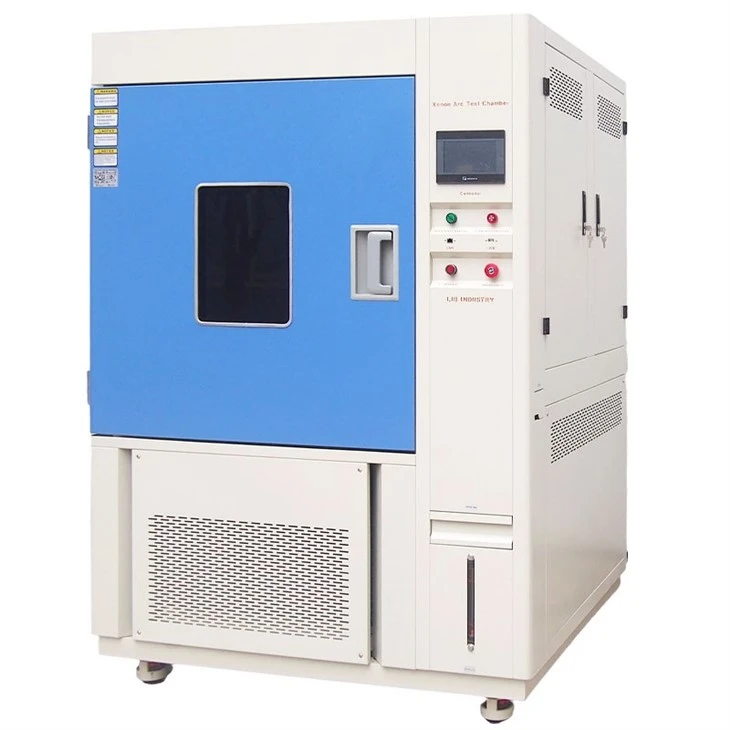
As a leading supplier of Xenon Arc Test Chambers, we offer a range of high-quality products that are designed to provide accurate and reliable sunlight simulation. Our G151 Xenon Arc Weathering Test Apparatus is a state-of-the-art chamber that is specifically designed for accelerated weathering testing. It features a high-intensity xenon arc lamp, a sophisticated filter system, and advanced temperature and humidity control capabilities, ensuring accurate and consistent sunlight simulation.
In addition to the G151 Xenon Arc Weathering Test Apparatus, we also offer a range of other Xenon Arc Test Chambers, including the UV Weather Resistance Test Chamber and the Xenon Weatherometer. These chambers are designed to meet the specific testing requirements of different industries and applications, providing accurate and reliable sunlight simulation for a wide range of materials.
Conclusion
In conclusion, the accuracy of sunlight simulation in a Xenon Arc Test Chamber is crucial for obtaining reliable test results. By understanding the factors that can affect the accuracy of sunlight simulation and taking steps to minimize their impact, it is possible to ensure that the test results accurately reflect the performance of the material in real-world conditions. As a leading supplier of Xenon Arc Test Chambers, we are committed to providing high-quality products and services that meet the specific testing requirements of our customers. If you are interested in learning more about our Xenon Arc Test Chamber solutions or have any questions about sunlight simulation, please do not hesitate to contact us. We look forward to working with you to ensure the accuracy and reliability of your material testing.

References
- ASTM G151 - Standard Practice for Exposing Nonmetallic Materials in Accelerated Test Devices That Use Laboratory Light Sources
- ISO 4892 - Plastics - Methods of exposure to laboratory light sources
- SAE J2527 - Accelerated Exposure of Automotive Exterior Materials Using a Controlled Irradiance Xenon-Arc Apparatus