


In industries where rubber, plastics, and coatings are widely used-such as automotive, aerospace, telecommunications, and construction-the durability and longevity of materials are critical. One of the most insidious environmental threats to these materials is ozone, a highly reactive form of oxygen present in trace amounts in the atmosphere. Though invisible, ozone can cause serious damage over time, leading to cracks, brittleness, and loss of mechanical strength in otherwise robust materials.

To prevent such failures and ensure product reliability, ozone aging testing is used as a standard practice in material validation and quality control. This article explores why ozone aging testing is important, how it is performed, what standards govern it, and how to select the appropriate test equipment-including how LIB's ozone climatic chambers can support your testing needs.
What is Ozone Aging and Why Is It Dangerous?
Ozone aging is the chemical degradation of rubber and polymer-based materials due to prolonged exposure to ozone in the air. Ozone (O₃), while beneficial in the stratosphere for blocking UV rays, is a harmful oxidant at ground level. Even at very low concentrations (as little as 50 parts per hundred million, or pphm), ozone can attack the unsaturated double bonds in rubber molecules, leading to:
Surface cracking, particularly when the material is under tension
Hardening or embrittlement of elastomers
Loss of elasticity and flexibility
Decreased tensile strength and impact resistance
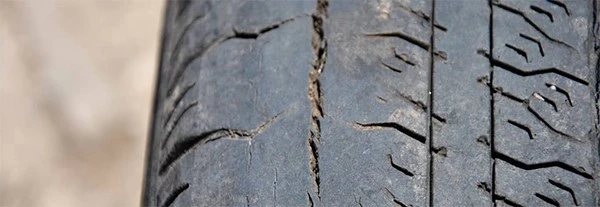
This degradation process is especially common in outdoor environments or industrial settings where rubber parts are under constant stress-such as tires, belts, seals, gaskets, hoses, insulation, and protective coatings.
Why Conduct Ozone Aging Testing?
There are several compelling reasons for manufacturers to include ozone aging testing in their product development and quality assurance processes:
1. Predict Product Lifespan
Ozone aging tests simulate years of environmental exposure within days or weeks, allowing engineers to predict how long a product can maintain its performance under real-world conditions.
2. Material Selection and Comparison
Testing enables material scientists to compare different rubber compounds or coatings, and choose those with superior ozone resistance.
3. Meet Compliance Requirements
Many industries require ozone testing to comply with international safety and durability standards, especially in automotive and aerospace applications.
4. Ensure Safety and Avoid Failure
Failing rubber components, such as seals or insulation, can lead to leaks, system breakdowns, or safety hazards. Ozone testing helps detect weaknesses before mass production or installation.
What Are the Standards for Ozone Aging Testing?
Ozone aging tests are governed by several international standards that ensure testing consistency, comparability, and reliability. The most widely recognized include:
ASTM D1149 – Standard Test Methods for Rubber Deterioration-Cracking in an Ozone Controlled Environment
Focuses on determining resistance to ozone cracking under static and dynamic strain.
ISO 1431-1 – Rubber, Vulcanized or Thermoplastic-Resistance to Ozone Cracking
Details procedures for both static and dynamic test methods under defined ozone concentrations.
JIS K 6259 – Japanese standard for determining ozone resistance in vulcanized rubber
Commonly used in the electronics and automotive sectors.
These standards outline test conditions such as ozone concentration, exposure time, sample tension, and evaluation criteria (e.g., crack length, density, and visibility).
How Is Ozone Aging Testing Performed?
Ozone aging tests are conducted in controlled laboratory conditions using a specialized device called an ozone climatic chamber. The test procedure generally includes the following steps:
1. Sample Preparation
Specimens are cut and shaped according to the chosen standard-often into dumbbells, rings, or strips. For static testing, samples are usually stretched to a specified elongation (e.g., 20–30%) using jigs or holders.
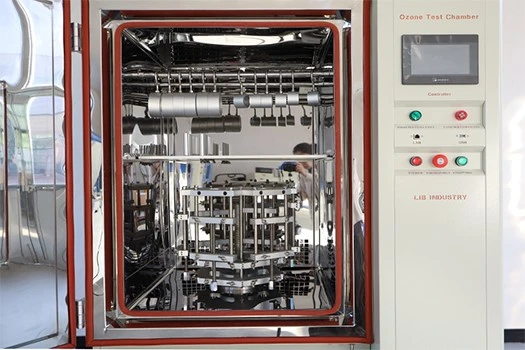
The sample holder of the LIB ozone climatic chamber is both movable and adjustable. Besides the standard sample holder, there are also more customized sample racks such as ring sample holder and hose sample holder.
2. Ozone Climatic Chamber Configuration
The specimens are placed in the ozone chamber where ozone concentration, temperature, and humidity are precisely controlled. LIB ozone climatic chamber typical parameters include:
Ozone concentration: 1–1000 pphm
Temperature: 0℃ ~ +100 ℃
Humidity: 30% ~ 98% RH
Exposure time: 24–96 hours (or longer, depending on the material and test goal).
The LIB ozone climatic chamber must also ensure uniform ozone distribution and airflow, often through specimen rotation or circulation fans.
3. Observation and Evaluation
After the test, specimens are removed and evaluated. The presence of surface cracks, crack density, depth, or changes in tensile properties are recorded. Some tests involve optical magnification or photographic documentation for precise comparison.
How to Choose the Right Ozone Climatic Chamber?
Selecting the right ozone aging test chamber is essential to obtaining valid and reproducible results. Important factors to consider include:
✓ Ozone Generation System
Ensure the chamber uses a UV or corona discharge ozone generator with high accuracy and stability. The system should be able to maintain constant ozone levels even during long test cycles.
✓ Control Accuracy
Advanced chambers offer PLC touchscreen control systems, allowing users to precisely program ozone concentration, temperature, and exposure time.
✓ Specimen Rotation or Fixture System
Rotating specimen racks or tension jigs help ensure uniform ozone exposure, especially for multiple samples.
✓ Chamber Size and Capacity
Choose a chamber that accommodates the quantity and size of your samples. Lab-scale models are ideal for R&D, while larger industrial units are better for batch testing.
✓ Standards Compliance
Ensure the chamber meets the testing requirements of standards like ASTM D1149 or ISO 1431-1 to maintain result validity.
LIB: A Reliable Partner for Ozone Aging Testing
When it comes to precise and reliable ozone aging testing, LIB offers a wide range of ozone climatic chamber models that meet both research and industrial application needs. LIB chambers are engineered with:
Stainless steel interiors to resist ozone corrosion
High-precision ozone sensors and PID control systems
User-friendly PLC touchscreen interfaces for ease of operation
Customizable chamber sizes and test configurations
Optional real-time monitoring and camera viewing ports
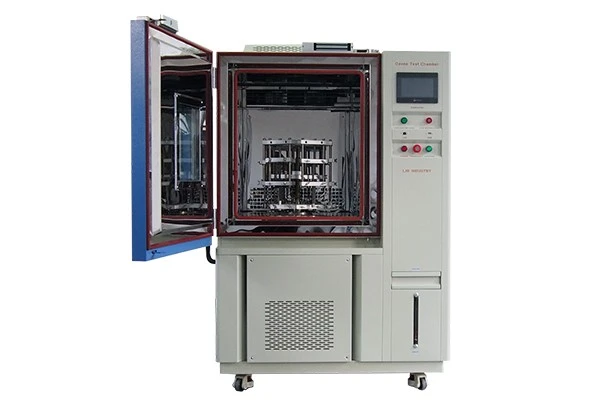
LIB's ozone climatic chambers fully comply with international testing standards and are widely used in automotive, electronics, cable, and rubber industries across the globe. Whether you're testing under ASTM or ISO protocols, LIB provides the performance and support to help you succeed.
Conclusion: Investing in Long-Term Reliability
Ozone aging may be invisible to the naked eye in daily environments, but its effects on materials are powerful and potentially damaging. By incorporating ozone aging testing into the product development and validation cycle, manufacturers can ensure that their materials resist environmental degradation, maintain performance, and meet global quality standards.
With its deep expertise and high-performance equipment, LIB is here to help you find the right ozone climatic chamber for your specific applications. Whether you're testing new rubber compounds, verifying product durability, or meeting compliance requirements, a dependable test chamber is the key to getting reliable results.


