


When Colors Fade Under Ozone: The Hidden Challenge for Textiles
Textiles, whether for fashion, home furnishings, or industrial applications, are constantly exposed to environmental stressors. One invisible yet highly damaging factor is ozone, which can cause dyes to fade, fibers to weaken, and ultimately compromise product quality.
This is where the ozone aging test becomes crucial. By simulating accelerated ozone exposure in a controlled setting, textile producers can evaluate colorfastness, predict material longevity, and make informed choices for quality assurance. With the advent of modern LIB industry Ozone Test Chambers , such tests have become precise, repeatable, and scalable.
|
|
|
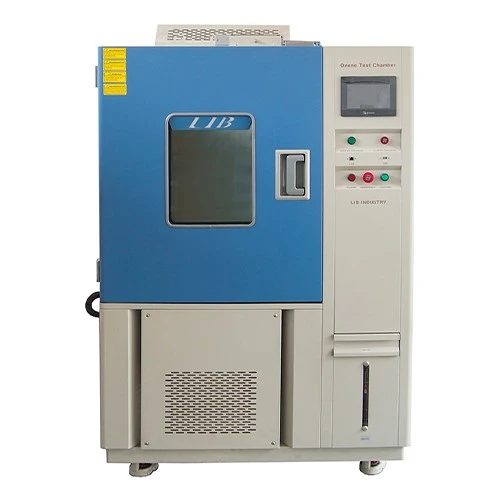
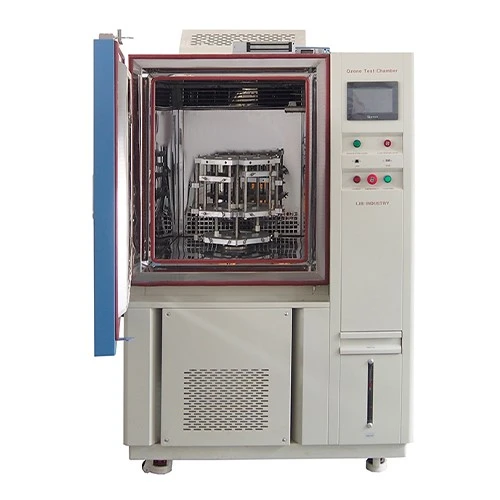
Ozone vs. Fibers: Understanding the Invisible Threat to Colorfastness
Ozone (O₃) is a highly reactive molecule that can oxidize dyes and degrade fiber structures. Natural fibers like cotton and wool are particularly susceptible, while synthetic fibers may display varying resistance depending on their chemical composition.
During the ozone aging test, ozone molecules attack the double bonds in dye molecules, breaking them down and causing visible fading. Over time, repeated exposure can lead to brittleness or even loss of tensile strength in certain fabrics. Standards such as ASTM D1149 and ISO 105 define methods for evaluating ozone resistance, providing manufacturers with consistent benchmarks.
By understanding the science behind ozone-fiber interactions, manufacturers can proactively select dyes and fibers that withstand environmental stress, ensuring longer-lasting textiles.
From Lab to Reality: How LIB Industry Ozone Test Chambers Replicate Harsh Ozone Exposure
Replicating real-world ozone conditions in the lab requires precise control over several critical parameters:
- Ozone concentration
- Temperature
- Relative humidity
- Exposure duration
Modern Ozone Test Chambers allow users to fine-tune these factors, simulating weeks or months of environmental exposure within hours or days. This is particularly important for textiles intended for outdoor use, industrial applications, or consumer products that require high durability.
|
Standard Model |
OC-250 OC-500 OC-800 OC-1000 |
|
Interior Volume |
From 250L to 1000L,and more custom dimensions |
|
Temperature Range |
-120℃ ~ +150 ℃ |
|
Cooling Rate |
Ambient ~ 0℃ within 20 min |
|
Humidity Range |
30% ~ 98% RH |
|
Ozone Concentration |
1~1000PPHM |
|
Sample Holder Rotate Speed |
0~10 r/min |
|
Airflow Rate |
0 ~ 60L/min |
|
Clamps Tensile Stretch |
5%~35% |
|
Cooling system |
Mechanical compression refrigeration system;French TECUMSEH compressor |
|
Controller |
Programmable color LCD touch screen controller. Ethernet connection, PC Link |
|
Sample Holder |
Static + dynamic combined sample holder |
|
|
|
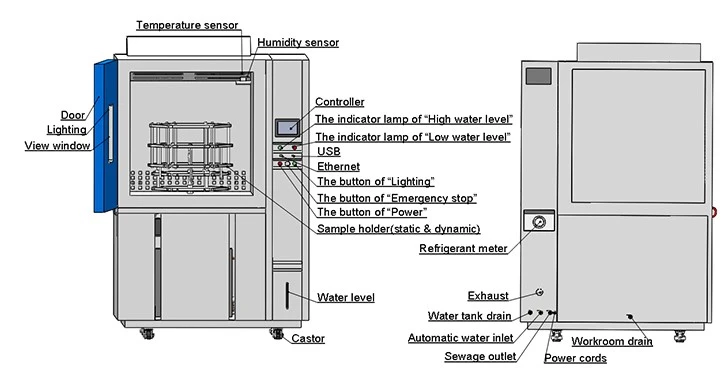
LIB Industry's Ozone Test Chamber takes simulation a step further, combining scientific accuracy with engineering innovation:
With this advanced setup, manufacturers can conduct ozone aging tests efficiently, monitor real-time data, and ensure consistent results. The Ozone Resistance Test Chamber by LIB Industry not only replicates harsh conditions but also guarantees repeatability, making it a trusted tool for textile quality control.
Mastering Textile Ozone Testing: A Step-by-Step Guide
Conducting an effective ozone aging test requires careful preparation and standardized procedures:
Sample Preparation: Cut textile samples to standard dimensions, label, and precondition if necessary.
Chamber Setup: Adjust ozone concentration, temperature, and humidity according to the target standard (ASTM D1149 or ISO 105).
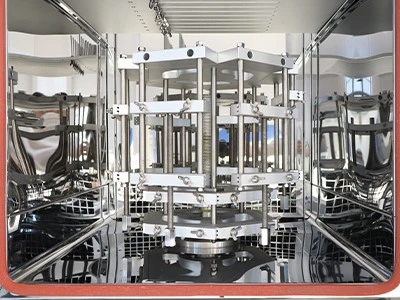
Test Execution: Place samples in the Ozone Test Chamber, start the program, and monitor exposure parameters.
Post-Test Analysis: Measure color changes using spectrophotometers or visual rating scales. Record ΔE values to quantify colorfastness.
The Ozone Aging Test Machine from LIB Industry simplifies this process with automated cycles, digital monitoring, and high repeatability, reducing human error and saving valuable lab time.
Real Fabrics, Real Results: Why Manufacturers Rely on Ozone Testing
The impact of ozone testing spans multiple textile applications:
Home textiles: Curtains, upholstery, and carpets maintain color vibrancy under indoor ozone exposure.
Sportswear and outdoor fabrics: Synthetic blends resist fading from sun and ozone combined.
Industrial fabrics: Protective clothing and filters retain structural integrity and safety performance.
By performing ozone aging tests, manufacturers can confidently claim durability, meet regulatory standards, and strengthen customer trust. The LIB Industry Ozone Test Chamber is particularly valued for its flexibility in handling various fabric types, sizes, and test durations.
Your Top Questions About Ozone Textile Testing, Answered
Q1: What is the difference between ozone aging test and standard colorfastness testing?
- Ozone aging tests specifically expose textiles to controlled ozone levels to simulate environmental degradation, while standard colorfastness tests may involve washing, light, or rubbing.
Q2: How long should a typical ozone test run for textiles?
- Test durations vary from 24 hours to several weeks depending on the desired acceleration of aging and the fabric type.
Q3: Can the LIB Industry Ozone Test Chamber accommodate large or irregular textile samples?
- Yes, the ozone test chamber is fully customizable in size to fit a variety of textile formats.
Q4: How is ozone concentration monitored and controlled safely?
- LIB Industry chambers feature automated monitoring, UV ozone decomposition filters, and over-ozone alarms to ensure operator safety.
Protect Your Colors, Boost Your Brand: Take Action with LIB Industry
Textile durability is more than a technical metric-it's a promise to your customers. With LIB Industry's Ozone Test Chamber and Ozone Aging Test Machine, you can ensure every product withstands harsh ozone exposure, retains vibrant color, and meets international standards.
- 3-Year Warranty & Lifetime Technical Support
- One-stop Testing Solutions & Full Customization Options
- 1–3 Hour Rapid Response to Requests
- 7–15 Days Fast Delivery
- 72-Hour Continuous Pre-Shipment Testing
Don't leave colorfastness to chance. Contact LIB Industry today info@libclimatetest.com to elevate your textile testing, protect your brand reputation, and deliver products that truly last.


