


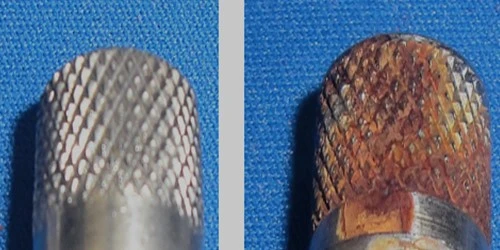
From automotive components to electronics, their use is vital in simulating harsh environments over an accelerated period. Various international standards have defined test conditions for salt spray and cyclic corrosion testing, and LIB has developed a full range of chambers to meet these global requirements.
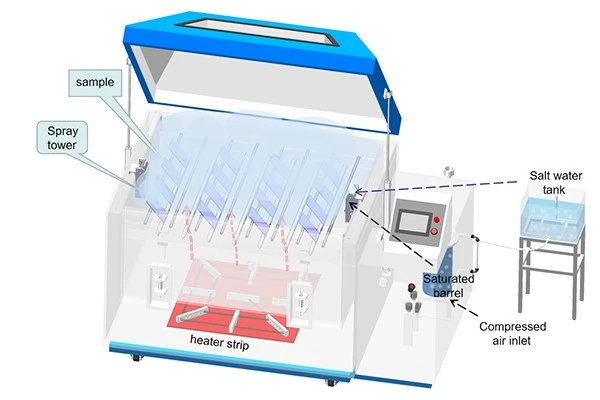
International Salt Spray Test Standards
Several major standards are used worldwide to regulate salt spray testing. Despite slight variations, most of these standards share common principles and test conditions. LIB's salt spray test chambers are compatible with all of them.
Common Salt Spray Test Standards
ASTM B117 (USA)
The most widely recognized standard. It specifies the method for a continuous neutral salt spray test, using a 5% NaCl solution with a pH of 6.5–7.2, chamber temperature at 35°C, and continuous fog.
ISO 9227 (International / UK)
Defines three types of salt spray tests:
NSS (Neutral Salt Spray)
AASS (Acetic Acid Salt Spray) – adds acetic acid to accelerate corrosion.
CASS (Copper-Accelerated Acetic Acid Salt Spray) – includes copper chloride for faster oxidation.
EN 60068-2-52 (UK / EU)
A cyclic test involving salt spray, humidity, and dry phases.
Spray: 5% salt at 15–35°C
Humidity: 93%RH at 40°C
Severity I: 2 hours spray + 7 days humidity (4 cycles)
Severity II: 2 hours spray + 20–22 hours humidity (3 cycles)
DIN 50021 (Germany)
Covers similar procedures to ASTM B117 with localized terminology and setup guidelines.
ASTM G85 (USA)
Introduces modified salt spray tests, including:
Annex A1: Acetic Acid Test
Annex A2: CASS Test
Annex A3: Seawater Acidified Test
Annex A4: SO₂-injection Test
Annex A5: Cyclic Prohesion Test
SAE J2334 (Automotive Industry, USA)
Specifies a corrosion test simulating real-world road exposure: includes salt application, humidity, and dry cycles
Others
French, Japanese, and many corporate standards also define procedures. However, all of them can be addressed using one or more of LIB's test chamber types.
LIB Salt Spray Test Chamber Categories
|
Classify |
Type 1 |
Type 2 |
Type 3 |
|
Name |
Salt Spray Test Chamber |
Salt Cyclic Corrosion Test Chamber |
Salt and SO₂ Corrosion Test Chamber |
|
Model |
S-150, S-250, S-750 |
SC-010, SC-016, SC-020 |
SSC-010, SSC-016, SSC-020 |
|
Test Standards |
ASTM B117, ISO 9227 (NSS, AASS, CASS) |
ASTM B117, ISO 9227, IEC 60068-2-52 |
ASTM B117, ISO 9227, IEC 60068-2-52, ASTM G85 |
|
Function |
Salt fog spray; Temp (Ambient ~ +60℃) |
Salt fog spray; Temp (+10℃ ~ +90℃); Humid (30% ~ 98% RH) |
Salt fog spray; Temp (+10℃ ~ +90℃); Humid (30% ~ 98% RH); SO₂ gas |
Overview of LIB Test Chambers
Type 1: Salt Spray Test Chamber (S Series)
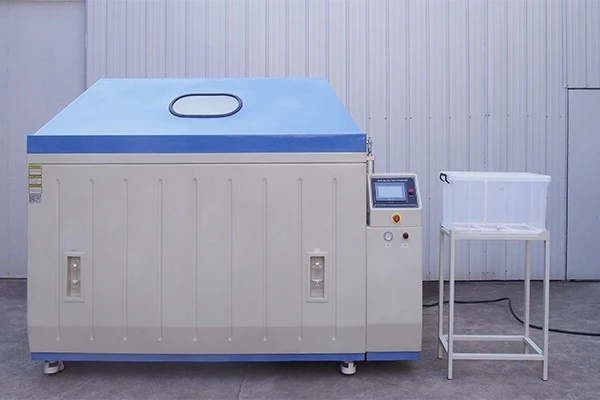
Type 2: Salt Cyclic Corrosion Test Chamber (SC Series)
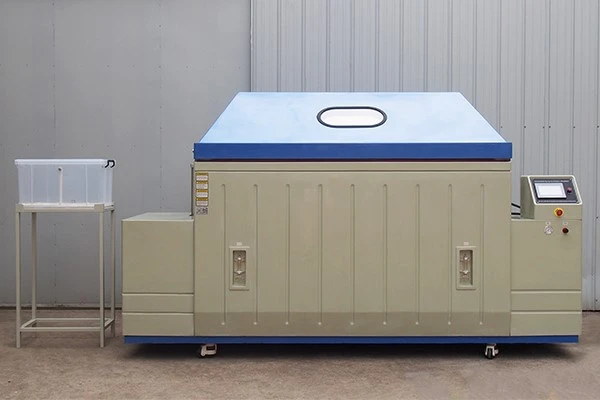
Type 3: Salt and SO₂ Gas Corrosion Test Chamber (SSC Series)
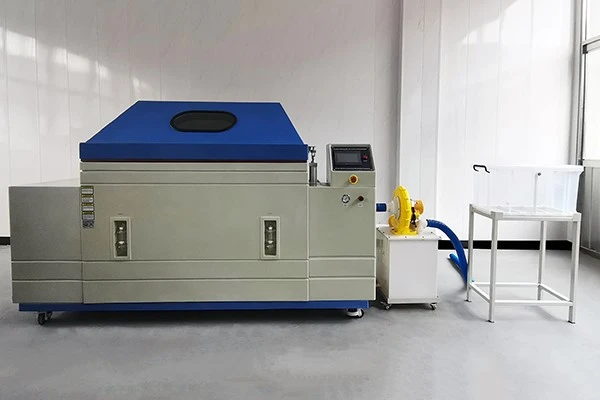
Why Choose LIB?
Standards-compliant: LIB chambers fully comply with global testing standards.
Customization available: Test parameters, chamber volume, and functions can be customized.
Professional support: Installation, training, and technical consulting offered globally.
Durability & Accuracy: Built with anti-corrosive materials and intelligent controllers for long-term precision.
Conclusion
No matter which salt spray standard your industry adheres to-ASTM B117, ISO 9227, IEC 60068-2-52, or others-LIB has a tailored solution. From basic continuous salt fog testing to complex cyclic or SO₂-enhanced tests, LIB offers reliable, globally compliant salt spray test chambers that ensure your products withstand the harshest corrosion conditions.


