



Hey there! As a supplier of Xenon Weatherometers, I'm super excited to share with you all about how these amazing machines work. So, let's dive right in!
What's a Xenon Weatherometer Anyway?
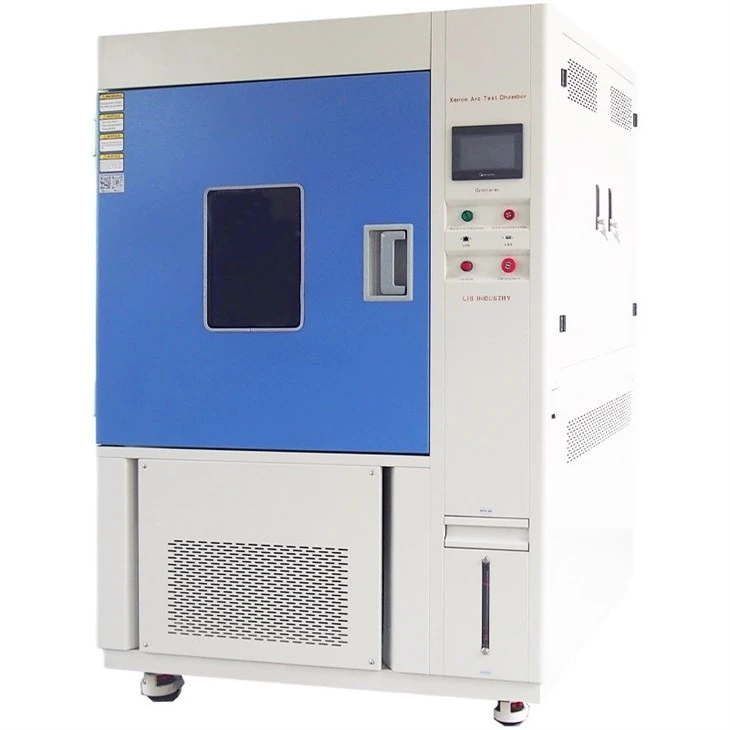
First things first, a Xenon Weatherometer is a piece of equipment used to simulate the effects of natural weathering on various materials. It's like a mini weather - factory in a box. You might be wondering why it's so important. Well, in industries like automotive, aerospace, construction, and even the fashion world, it's crucial to know how materials will hold up over time when exposed to sunlight, heat, moisture, and other environmental factors. Instead of waiting for years to see the real - world effects, a Xenon Weatherometer can speed up the process and give you results in a much shorter time.
The Working Principle
The Heart of the Machine: The Xenon Arc Lamp
At the core of the Xenon Weatherometer is the xenon arc lamp. This lamp is a real powerhouse. It produces a light spectrum that closely mimics natural sunlight, including ultraviolet (UV), visible, and infrared (IR) radiation. The reason we use xenon is because its emission spectrum is the closest match to sunlight compared to other types of light sources.
When you turn on the xenon arc lamp in the weatherometer, it starts emitting a high - intensity light. This light is then carefully filtered to remove any unwanted wavelengths and ensure that the remaining spectrum accurately represents the sunlight that materials would be exposed to in the real world. For example, some filters are used to block out certain UV wavelengths that might not be present in natural sunlight, making the test more realistic.
Controlling the Environment
A Xenon Weatherometer isn't just about shining light on materials. It also has to control other environmental factors like temperature and humidity. Inside the chamber, there are heating and cooling systems to maintain a specific temperature. This is important because different temperatures can affect how materials react to the light. For instance, some materials might degrade faster at higher temperatures.
Humidity is another key factor. The weatherometer can add or remove moisture from the chamber to control the relative humidity. This is similar to how real - world weather has periods of high humidity (like after a rainstorm) and low humidity (on a dry, sunny day). By controlling humidity, we can simulate the effects of different weather conditions on materials.
Spray and Condensation Systems
To further mimic natural weathering, Xenon Weatherometers often come equipped with spray and condensation systems. The spray system can simulate rain. It sprays water onto the test specimens at regular intervals, just like how rain falls on materials in the real world. This can help to wash away any degradation products that might form on the surface of the materials and also introduce water - related damage, such as corrosion or swelling.
The condensation system, on the other hand, creates a moist environment inside the chamber. It works by cooling the walls of the chamber while the specimens are heated. This causes water vapor in the air to condense on the surface of the specimens, similar to how dew forms on grass in the early morning. Condensation can also lead to different types of damage, such as blistering or delamination.
Test Specimens and Monitoring
You place the test specimens inside the chamber. These specimens can be anything from small pieces of plastic, paint chips, to large sections of fabric. The weatherometer then exposes these specimens to the simulated weather conditions for a set period of time.
During the test, the machine continuously monitors the conditions inside the chamber. Sensors measure things like light intensity, temperature, humidity, and the amount of water sprayed. This data is recorded, and it can be used to analyze how the materials are reacting to the simulated weathering. For example, if the light intensity starts to drop, it could indicate that the xenon arc lamp needs to be replaced.
Why Use a Xenon Weatherometer?
Using a Xenon Accelerated Weathering Tester has several advantages. First of all, it saves a ton of time. Instead of waiting for months or even years to see how a material will weather in the real world, you can get results in a matter of weeks or months. This means that product development cycles can be shortened, and companies can bring new and improved products to the market faster.
Secondly, it provides consistent and reproducible results. In the real world, weather conditions can be unpredictable, making it difficult to accurately compare the performance of different materials. With a Xenon Weatherometer, you can control all the variables, ensuring that each test is conducted under the same conditions. This makes it easier to evaluate and compare the durability of different materials.
Different Types of Xenon Weatherometers
There are different types of Xenon Weatherometers available to suit different needs. For example, the Accelerated Weathering Test Equipment is designed for general testing purposes. It can handle a wide range of materials and is suitable for most industries.
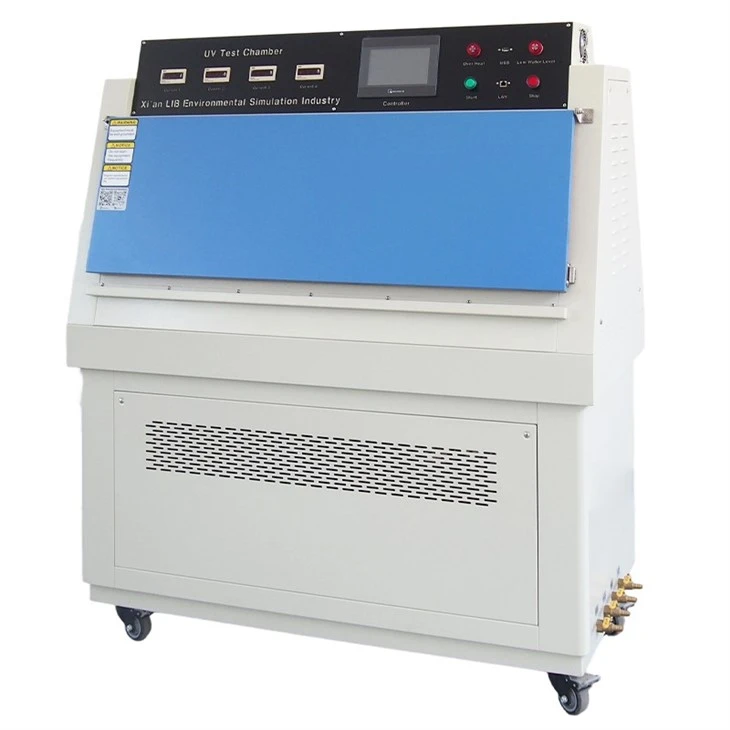
The Solar Radiation UV Accelerated Weathering Tester focuses more on the UV component of sunlight. This is especially useful for materials that are highly sensitive to UV radiation, such as plastics and paints. It can simulate the long - term effects of UV exposure in a relatively short period of time.
How to Use a Xenon Weatherometer
Using a Xenon Weatherometer is relatively straightforward, but it does require some knowledge and preparation. First, you need to select the appropriate test specimens. Make sure they are representative of the actual materials you are interested in. Then, you need to set up the test parameters, such as the light intensity, temperature, humidity, spray frequency, and test duration.
Once you've set up the parameters, you place the specimens inside the chamber and start the test. During the test, it's important to monitor the machine and the specimens regularly. Check for any signs of damage or degradation, and make sure the environmental conditions inside the chamber remain stable.
After the test is completed, you can remove the specimens and analyze the results. This might involve visual inspection, measuring changes in color, gloss, or mechanical properties, or using more advanced testing techniques.
Conclusion
In conclusion, Xenon Weatherometers are incredibly useful tools for industries that need to understand how materials will perform under different weather conditions. By simulating natural sunlight, temperature, humidity, rain, and condensation, these machines can provide valuable insights into the long - term durability of materials in a relatively short time.
If you're in the market for a Xenon Weatherometer or want to learn more about our products, don't hesitate to reach out. We're here to help you find the right solution for your testing needs. Whether you're a small business looking to test a new product or a large corporation conducting extensive research, we've got the expertise and the equipment to support you. Contact us today to start a conversation about your procurement needs!
References
- ASTM International standards related to weathering testing
- ISO standards for accelerated weathering of materials


