


As a supplier of thermal stress chambers, I often encounter inquiries from clients about the capabilities of these chambers. One of the most frequently asked questions is whether a thermal stress chamber can simulate different environmental conditions. The answer is a resounding yes, and in this blog post, I will delve into the details of how these chambers can replicate a wide range of environmental scenarios.
Understanding Thermal Stress Chambers
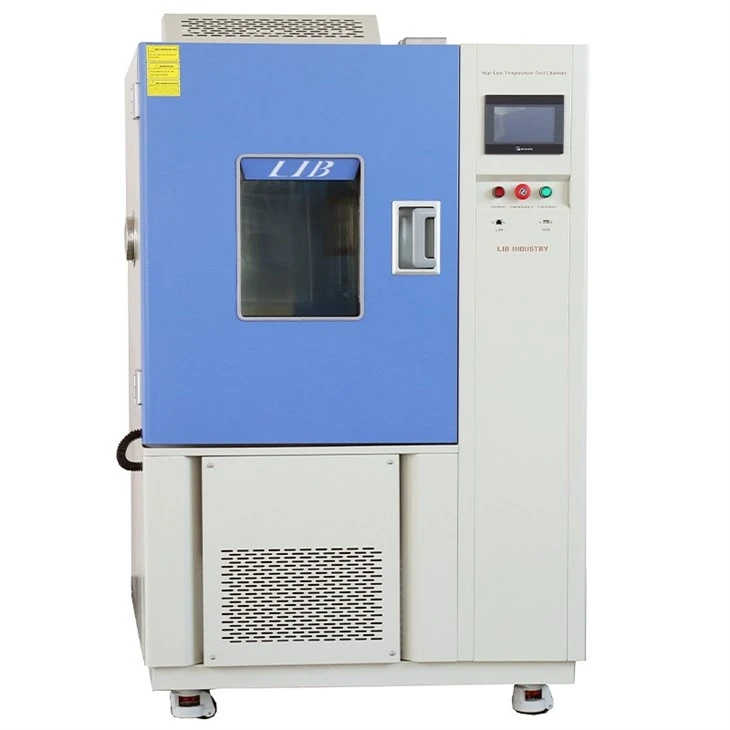
Before we explore the simulation capabilities, let's first understand what a thermal stress chamber is. A thermal stress chamber is a specialized testing equipment designed to subject products or materials to controlled temperature and humidity conditions. These chambers are used in various industries, including electronics, automotive, aerospace, and materials science, to evaluate the performance and reliability of products under different environmental stresses.
Simulating Temperature Variations
One of the primary functions of a thermal stress chamber is to simulate temperature variations. These chambers can achieve a wide range of temperatures, from extremely low to high levels. For instance, some chambers can reach temperatures as low as -70°C and as high as 180°C. This wide temperature range allows manufacturers to test their products under conditions that mimic real-world environments, such as cold storage, hot desert climates, or high-temperature industrial settings.
The ability to simulate rapid temperature changes is also crucial in many applications. Thermal stress chambers can perform thermal cycling tests, where the temperature is cycled between high and low values at a specified rate. This type of testing helps to identify potential failures caused by thermal expansion and contraction, which can lead to mechanical stress and material fatigue. Our Thermal Cycling Test Chamber is specifically designed to provide precise and reliable thermal cycling capabilities, ensuring accurate testing results.
Humidity Simulation
In addition to temperature, humidity is another important environmental factor that can affect the performance of products. Thermal stress chambers can also simulate different humidity levels, ranging from low humidity (dry conditions) to high humidity (moist or wet conditions). Humidity control is essential for testing products that are sensitive to moisture, such as electronic components, pharmaceuticals, and food products.
By controlling both temperature and humidity, manufacturers can simulate a variety of environmental conditions, such as tropical climates, coastal areas, or indoor environments with high humidity. This allows them to evaluate the effects of moisture on product performance, including corrosion, mold growth, and electrical insulation properties. Our High Low Thermal Temperature Resistance Test Chamber offers precise humidity control, enabling accurate simulation of different humidity conditions.

Altitude and Pressure Simulation
For products that are intended for use at high altitudes or in pressurized environments, thermal stress chambers can also simulate altitude and pressure variations. These chambers can create low-pressure conditions similar to those found at high altitudes, allowing manufacturers to test the performance of products such as aircraft components, aerospace equipment, and mountain climbing gear.
Pressure simulation is also important for testing products that are sensitive to pressure changes, such as sealed containers, medical devices, and automotive components. By subjecting these products to different pressure levels, manufacturers can identify potential leaks, structural failures, or performance issues caused by pressure differentials. Our Temperature Cycling Chamber can be equipped with optional pressure control systems to provide accurate altitude and pressure simulation.
Other Environmental Factors
In addition to temperature, humidity, altitude, and pressure, thermal stress chambers can also simulate other environmental factors, such as solar radiation, vibration, and dust. These additional capabilities allow manufacturers to test their products under more realistic and comprehensive environmental conditions, ensuring their reliability and performance in real-world applications.
Solar radiation simulation is particularly important for products that are exposed to sunlight, such as solar panels, automotive exteriors, and outdoor furniture. By simulating the effects of sunlight, including UV radiation and heat, manufacturers can evaluate the durability and weather resistance of these products. Vibration simulation is used to test the mechanical integrity of products and to identify potential failures caused by vibration-induced stress. Dust simulation is important for testing products that are used in dusty environments, such as industrial equipment, military vehicles, and electronic devices.
Benefits of Using Thermal Stress Chambers
The ability to simulate different environmental conditions using thermal stress chambers offers several benefits for manufacturers. Firstly, it allows them to identify potential product failures early in the development process, reducing the risk of costly recalls and warranty claims. By testing products under realistic environmental conditions, manufacturers can ensure that their products meet the required performance and reliability standards before they are released to the market.
Secondly, thermal stress chambers help to improve product quality and performance. By subjecting products to a variety of environmental stresses, manufacturers can identify areas for improvement and make necessary design changes. This leads to the development of more robust and reliable products that can withstand the rigors of real-world use.
Finally, using thermal stress chambers can save time and money. By conducting accelerated life testing in a controlled environment, manufacturers can simulate years of real-world use in a matter of weeks or months. This allows them to speed up the product development process and bring new products to market faster.
Conclusion
In conclusion, a thermal stress chamber can indeed simulate different environmental conditions, including temperature variations, humidity, altitude, pressure, solar radiation, vibration, and dust. These chambers offer a comprehensive and cost-effective solution for testing the performance and reliability of products under a wide range of environmental stresses.
As a supplier of thermal stress chambers, we are committed to providing our customers with high-quality, reliable, and innovative testing solutions. Our chambers are designed to meet the diverse needs of different industries and applications, and we offer a range of customization options to ensure that our customers get the exact chamber they need.
If you are interested in learning more about our thermal stress chambers or would like to discuss your specific testing requirements, please do not hesitate to contact us. We look forward to working with you to help you achieve your testing goals and ensure the success of your products.
References
- ASTM International. (2019). Standard Test Methods for Thermal Cycling of Electronic Components. ASTM D5250-19.
- IEC International Electrotechnical Commission. (2017). Environmental Testing - Part 2-14: Tests - Test N: Change of Temperature. IEC 60068-2-14:2017.
- MIL-STD-810G. (2008). Environmental Engineering Considerations and Laboratory Tests. U.S. Department of Defense.


