


Introduction
From aerospace components enduring high-frequency vibrations at extreme altitudes to consumer electronics braving long shipments across various climates, manufacturers are under constant pressure to guarantee performance, durability, and safety. That's where vibration and climate testing becomes indispensable.
Combining mechanical vibrations with environmental stresses like temperature and humidity changes, these tests simulate the complex, dynamic conditions that products face during transportation and operation. The process is guided by internationally recognized standards such as IEC 60068-2-6 and MIL-STD-810G, ensuring a reliable, repeatable testing protocol across industries.
What Is Vibration and Climate Testing?
Vibration and climate testing is an integrated reliability evaluation method used to simulate the combined effects of mechanical vibrations and environmental conditions like temperature fluctuations and humidity changes. Rather than testing these elements separately, the combined approach reveals compound effects-such as how materials expand, contract, or crack under both mechanical stress and thermal cycling.
The goal? To discover potential failures before your product reaches the market.
Why Combine Vibration with Climate Testing?
| Real-World Simulation | Products rarely face isolated stresses in the real world. For instance, during air or land transportation, packages undergo both vibrational forces and temperature swings. Testing them in isolation can overlook critical failure points. |
| Accelerated Life Testing | Combined testing speeds up the aging process, identifying latent defects early in the development cycle-critical for high-stakes industries like aerospace, military, and automotive. |
| Compliance and Certification | Standards such as MIL-STD-810G and IEC 60068-2-6 demand rigorous combined testing procedures to validate the mechanical and climatic endurance of components. |
Common Applications
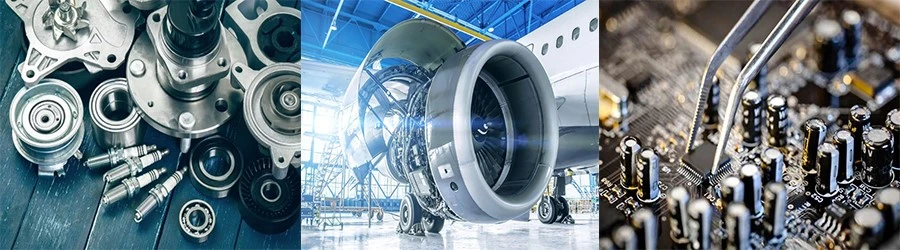
- Automotive Parts: Evaluating dashboard components, batteries, and ECUs for resilience against road vibrations and temperature shifts.
- Aerospace Systems: Simulating high-altitude temperature drops and engine vibrations simultaneously.
- Electronics and Semiconductors: Ensuring that PCBs maintain integrity in fluctuating thermal and dynamic loads.
- Defense Equipment: Confirming operational reliability in harsh, unpredictable environments.
Key Parameters to Control
When conducting vibration and climate testing, it's important to control several test variables:
- Temperature Range: Often from -70°C to +150°C, depending on product application.
- Humidity Levels: Adjustable between 10%–98% RH for accurate moisture simulation.
- Vibration Frequency: Typically 5–2000 Hz sinusoidal, with random and shock profiles as needed.
- Axes of Motion: X, Y, and Z direction testing to account for multi-directional stresses.
LIB's Solution: Vibration Climatic Test Chamber
To meet the increasing demand for comprehensive combined testing, LIB offers a high-performance solution:
Vibration Climatic Test Chamber
This model integrates temperature, humidity, and vibration simulation in one unit. Designed to work with vertical or horizontal vibration tables, it's ideal for high-precision industries.
|
Key Features: Wide temperature range from -70°C to +150°C Humidity control from 20% to 98% RH Compatible with various electrodynamic shakers Programmable test sequences for custom testing |
|
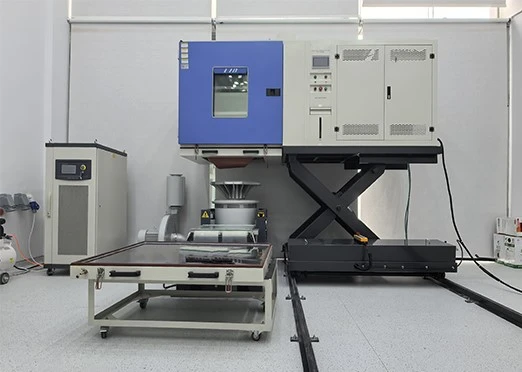
It is engineered to simulate transport, storage, and real-use conditions, providing customers with reliable, real-world insights.
Choosing the Right System
Before selecting a test chamber, ask:
What industry standards do you need to meet?
What vibration spectrum will you test?
What temperature and humidity cycles are relevant to your product's lifecycle?
Do you need simultaneous or sequential testing?
LIB team offers custom guidance, ensuring your test setup matches your unique reliability goals.
Conclusion: Enable Your Products to Withstand More Complex Situations
Vibration and climate testing is no longer optional-it's essential. With global transportation chains, complex end-user environments, and rising product expectations, manufacturers must account for multi-stress realities early in development.
LIB's vibration climatic test chambers provide the versatility and precision to uncover hidden vulnerabilities, ensuring that your product not only survives but thrives in the real world.
Call to Action
Ready to Test Smarter?
Contact LIB today to find the right vibration-climatic chamber for your application. Whether you're validating a cutting-edge aerospace component or ruggedizing automotive electronics, we're here to help you build better, more resilient products.


