


Ensuring water resistance is essential when designing electrical enclosures. Two widely recognized methods are the UL 50E Shower test and the IPX waterproof rating system. While both assess water protection, they differ in approach, testing conditions, and applications. Knowing these differences helps manufacturers choose the right method for compliance and product reliability.
What Is the UL 50E Shower?
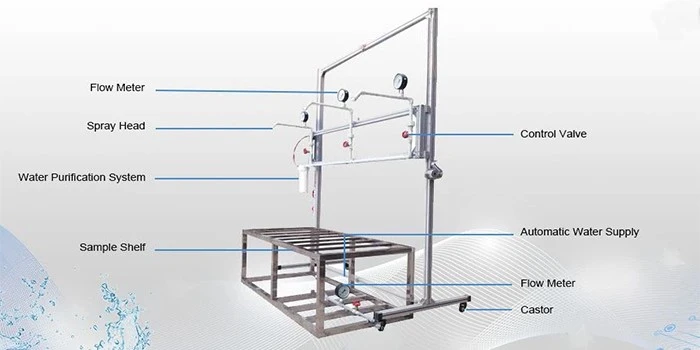
The UL 50E Shower simulates real-world rain and moisture exposure on electrical enclosures. Unlike standard tests, it replicates environmental conditions like heavy rain, wind-driven rain, and outdoor humidity that enclosures experience in actual usage.
The LIB UL 50E Shower is designed for precision and efficiency:
- Multi-directional spray heads: Ensures uniform water coverage.
- Adjustable spray distance: 3 meters ±0.1 m for realistic simulation.
- Durable stainless steel construction: Suitable for high-humidity labs.
- Integrated water circulation & filtration: Reduces water waste and maintains clean water.
- Intelligent control system: Allows programmable test cycles for repeatable results.
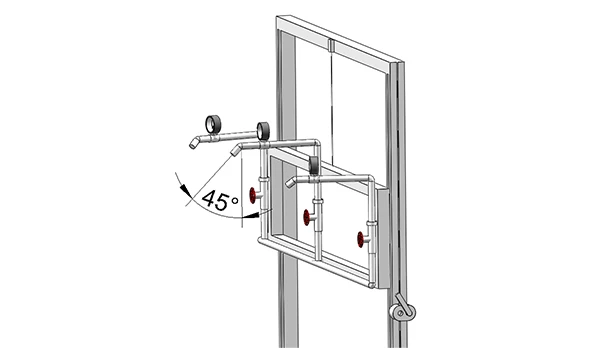
This test is critical for products pursuing UL 50E certification, giving manufacturers confidence that their enclosures will withstand real outdoor conditions.
Understanding the IPX Rating System
The IPX system, defined under IEC 60529, rates enclosures based on protection against water ingress. IPX tests are standardized, covering various scenarios from splashes to high-pressure jets.
Common IPX Levels:
- IPX1: Protection against vertical dripping water
- IPX4: Protection from water splashes in any direction
- IPX7: Temporary immersion up to 1 m for 30 minutes
- IPX9K: High-pressure, high-temperature water jets
IPX ratings provide a clear, numeric guide for manufacturers and consumers, indicating water-resistance capability under specific, standardized conditions.
UL 50E vs IPX: Key Differences
|
Feature |
UL 50E Shower |
IPX Rating System |
|
Focus |
Realistic rain and environmental simulation |
Standardized water resistance levels |
|
Testing Method |
Adjustable spray patterns and height |
Fixed conditions based on rating level |
|
Application |
Outdoor electrical enclosures, UL certification |
Consumer electronics, automotive, general products |
|
Outcome |
Performance under realistic conditions |
Numeric protection classification |
|
Flexibility |
Highly customizable for different enclosure sizes |
Limited to predefined test scenarios |
The table illustrates why UL 50E is ideal for outdoor enclosures, while IPX ratings serve as a universal measure for a wide range of products.
Why It Matters
Choosing the right test method ensures products meet both regulatory standards and real-world performance expectations. For outdoor enclosures like lighting cabinets, power distribution boxes, or communication panels, UL 50E Shower tests provide actionable insights on water ingress risks. For consumer electronics or automotive components, IPX ratings communicate protection levels to consumers clearly.
The LIB UL 50E Shower combines accuracy, durability, and intelligent control, making it a reliable choice for manufacturers seeking UL compliance and ensuring product longevity.
Conclusion & Call to Action
In summary, UL 50E Shower tests and IPX ratings serve different but complementary purposes. UL 50E focuses on realistic rain exposure, while IPX provides standardized protection levels. Using the right method ensures compliance, reliability, and customer confidence.
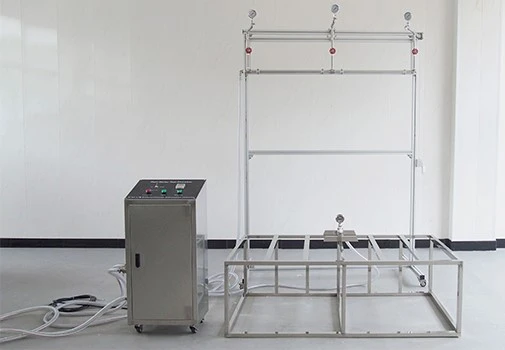
For precise, efficient, and real-world water resistance testing, explore the LIB UL 50E Shower and discover how it can enhance your product testing workflow today.


