

Executive Summary
As sustainability becomes a priority across industries, eco-friendly coatings have emerged as an alternative to traditional solvent-based paints. However, their long-term durability under sunlight, heat, and moisture remains a critical question. This case study demonstrates how a UV Weather Resistance Test Chamber as used to validate the performance of a water-based, low-VOC coating. The results show that eco-friendly coatings can meet-or even exceed-the durability of conventional coatings while maintaining environmental benefits.
1. Background: The Push for Sustainable Coatings
Industries such as automotive, architectural, and industrial equipment are increasingly adopting green materials to meet regulatory requirements and customer expectations. While low-VOC coatings reduce emissions, their performance against UV-induced fading, cracking, and surface degradation must be scientifically validated.
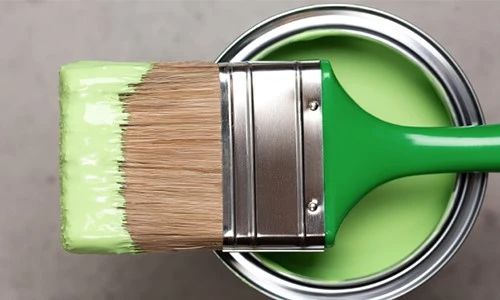
Takeaway: Accelerated UV testing provides fast, reliable results that simulate years of outdoor exposure in weeks, helping manufacturers make informed product decisions.
2. What We Needed to Test
The primary objectives of this test were:
Color stability: Determine if the coating retains its hue under prolonged UV exposure.
Gloss retention: Measure surface shine and compare it with conventional solvent-based coatings.
Surface integrity: Check for cracking, peeling, or chalking.
Benchmark comparison: Evaluate performance against established industry coatings.
3. Proven Standards Behind the Test
|
Standard |
Scope |
Relevance |
|
ASTM G154 |
UV fluorescent exposure |
Evaluates plastics and coatings durability |
|
ISO 4892-3 |
Artificial weathering with laboratory light sources |
Ensures international acceptability |
|
SAE J2020 |
Accelerated exposure for automotive exterior materials |
Validates coating durability on vehicles |
These standards ensure that test results are repeatable, reliable, and globally recognized, making them suitable for certification and market claims.
4. Step-by-Step: How the UV Test Was Done
The testing was conducted in LIB's UV Weather Resistance Test Chamber, which provides precise control of UV intensity, temperature, and humidity.
Test Setup:
UV Source: UV-A 340 fluorescent lamps (peak wavelength 340 nm)
Irradiance: 0.68 W/m² at 340 nm
Temperature: 60°C during UV cycles
Humidity: 95% RH during condensation cycles
Cycle Duration: 8 hours UV exposure + 4 hours condensation
Total Test Duration: 1,000 hours (~1 year of equivalent sunlight exposure)
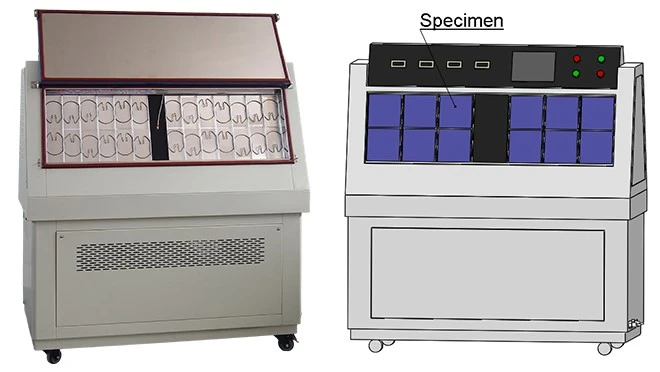
[Test Setup in LIB UV Weather Resistance Chamber]
Step-by-Step Procedure:
Sample Preparation: Coating panels were applied on aluminum substrates and conditioned.
Chamber Loading: Samples placed inside LIB chamber with continuous monitoring.
UV Exposure: Panels exposed to controlled UV-A cycles.
Condensation Cycles: High humidity simulated dew and rain effects.
Intermediate Checks: Every 250 hours, gloss, color, and surface integrity were recorded.
Final Analysis: Spectrophotometer readings, gloss meter measurements, and microscopic surface inspection were performed.
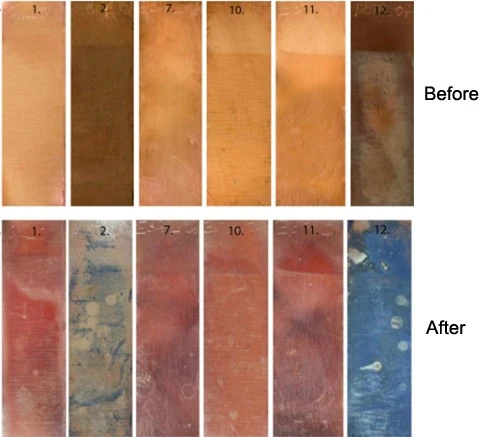
Takeaway: The combination of UV, heat, and moisture cycles closely replicates real-world environmental stresses in a compressed timeframe.
5. How the Eco-Friendly Coating Performed
|
Property |
Eco-Friendly Coating |
Solvent-Based Coating |
|
Color Retention |
92% |
86% |
|
Gloss Retention |
88% |
82% |
|
Surface Integrity |
No cracks/peeling |
Minor chalking |
Analysis:
The eco-friendly coating maintained superior color and gloss retention.
Surface remained intact without any signs of cracking or peeling.
Solvent-based coatings began showing early chalking, highlighting the robustness of the low-VOC alternative.
Takeaway: Eco-friendly coatings can match or exceed conventional coatings in durability when validated under accelerated testing.
6. Faster Market Readiness: Accelerated testing reduces multi-year field testing to weeks.
R&D Efficiency: Engineers can optimize formulations rapidly using reliable data.
Sustainability Credibility: Demonstrates that low-VOC coatings are not only environmentally safe but also durable.
Customer Confidence: Verified durability builds trust in green products for high-stress applications.
7. Why We Chose LIB
The choice of LIB UV Weather Resistance Test Chamber was instrumental in achieving precise, repeatable results. Key advantages included:
Standards Compliance: ASTM, ISO, SAE certified cycles.
Precision Control: PID regulation of temperature and humidity.
Customizable Cycles: UV + condensation + optional spray testing.
Global Service Network: Support in USA, Canada, UK, and Malaysia ensures operational reliability.
By providing a controlled and flexible testing environment, LIB helped the manufacturer gain confidence in their eco-friendly coating's market readiness.
8. Next Steps: Bringing Durable Green Coatings to Market
This case study confirms that accelerated UV testing in a high-precision chamber can validate the durability of eco-friendly coatings. Manufacturers can now offer sustainable materials without compromising on performance, reducing risks and supporting environmental goals.
LIB's UV Weather Resistance Test Chambers deliver reliable, standard-compliant, and customizable solutions to accelerate material validation.
Contact LIB today to learn how our chambers can help your team bring durable, eco-friendly products to market faster.


